Tag: transport

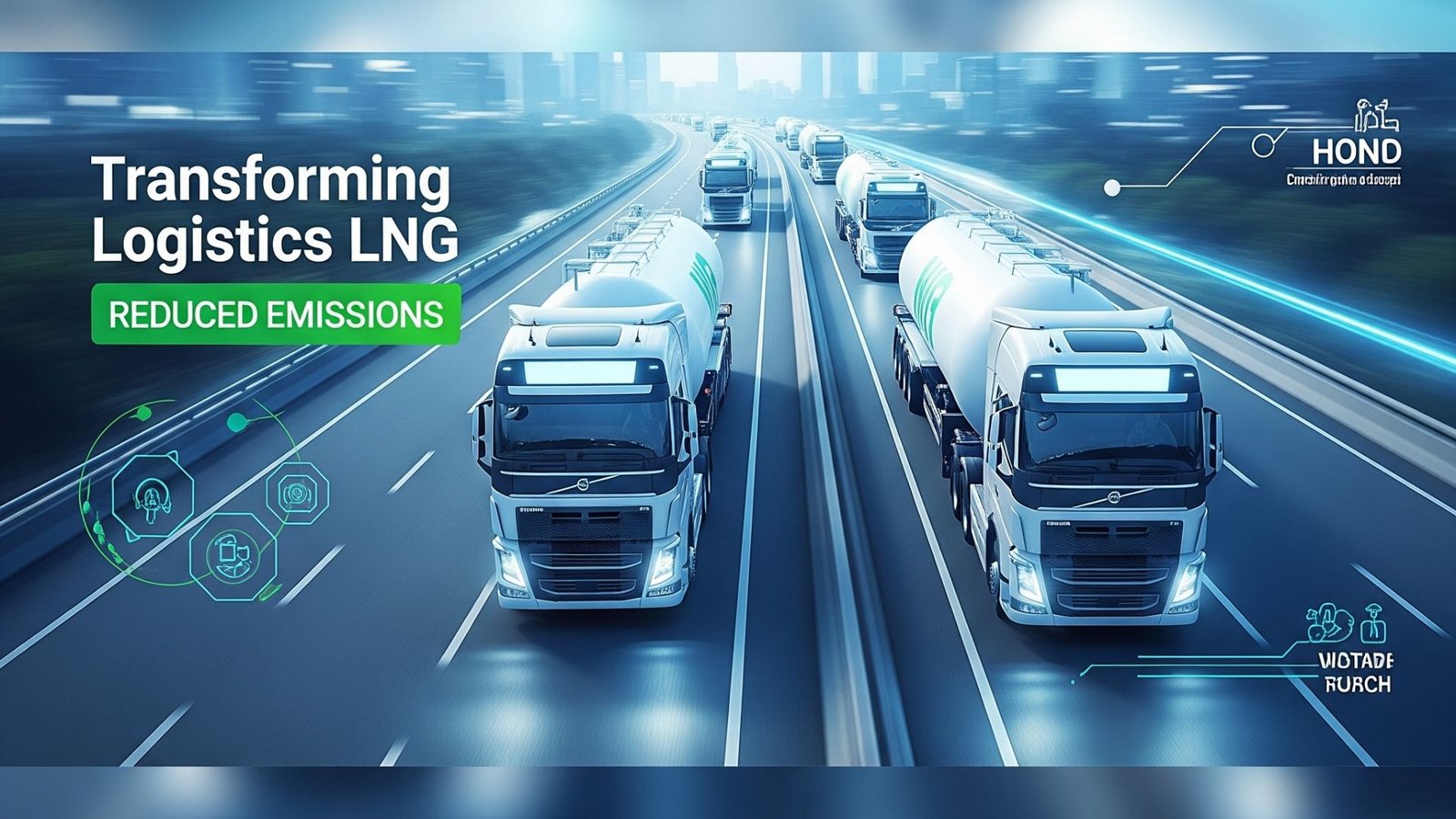
  • Green Revolution on Wheels: LNG Trucks Transforming Logistics

    Green Revolution on Wheels: LNG Trucks Transforming Logistics

    A few years ago, I thought the idea of “green trucking” was more of a PR move than a real-world shift. Diesel ruled the roads, and fuel efficiency was about squeezing a few more kilometers per litre—not changing the entire fuel source.

    But then I saw my first LNG-powered truck roll out of a logistics hub—and it wasn’t just quiet, it was clean, smooth, and… impressive. That’s when I realized: we’re witnessing a green revolution on wheels, and Liquefied Natural Gas (LNG) trucks are at the heart of it.

    What Are LNG Trucks Really?

    LNG trucks run on Liquefied Natural Gas, a cleaner-burning alternative to diesel. LNG is basically natural gas cooled to -162°C until it becomes a liquid—making it denser, more energy-packed, and perfect for long-haul transportation.

    Why it matters:

    • Up to 25% lower CO₂ emissions than diesel
    • Near-zero particulate matter
    • Lower nitrogen oxide (NOx) emissions
    • Quieter engines — a huge benefit for night deliveries and urban routes

     Why Logistics Needs LNG Now More Than Ever

    The logistics industry is under pressure—from both regulators and customers—to reduce its environmental impact. But it’s not just about compliance anymore. It’s about staying competitive.

    Here’s what’s pushing logistics companies toward LNG:

    • Fuel cost volatility → LNG offers long-term cost stability
    • Tightening emission norms → Especially in Europe and India
    • Brand image → Green fleets = better partnerships and customer trust
    • Sustainability goals → ESG reporting is becoming standard

    In many ways, switching to LNG isn’t just an environmental decision—it’s a business decision.

    Real-World Adoption: It’s Happening

    LNG trucking isn’t just an idea in a pitch deck. It’s happening on real roads with real fleets.

    • Companies like Tata Motors, Ashok Leyland, and Blue Energy Motors are rolling out LNG trucks across India.
    • Logistics leaders such as Adani, GreenLine Logistics, and Reliance are investing in LNG corridors.
    • Even public sector oil companies are building LNG refueling stations along major freight routes.

    In Europe and China, LNG trucks already make up a growing chunk of the logistics mix—and India is catching up fast.

     Benefits I’ve Seen Firsthand

    I recently spoke to a fleet manager who made the switch to LNG trucks on a trial basis. His insights were fascinating:

    “Initially, we thought LNG would be expensive and hard to manage. But after a few months, we saw fuel cost savings and fewer maintenance issues. Drivers actually prefer LNG trucks now—they’re quieter and smoother.”

    Some real benefits he mentioned:

    • Lower operating costs over time
    • Longer engine life due to cleaner combustion
    • Improved driver satisfaction
    • Easier compliance with future emission norms

    Challenges on the Road

    Of course, every revolution has its bumps. LNG adoption isn’t without hurdles:

    • Infrastructure – Refueling stations are still limited (but growing fast)
    • Upfront vehicle cost – LNG trucks are more expensive than diesel models initially
    • Training – Drivers and mechanics need to learn new systems
    • Supply chain dependency – LNG supply chains are still developing in some regions

    But the momentum is clearly building—and governments are stepping in with subsidies, tax benefits, and policy support.

    The Road Ahead: Greener and Smarter

    Imagine this: a major highway lined with LNG refueling stations, connected by smart route-planning software, with fleets that report their carbon savings in real-time dashboards.

    That’s not a pipe dream anymore. It’s a real trajectory.

    And in a world where every business wants to prove its sustainability credentials, LNG trucks are not just a trend—they’re a strategic move.

    Final Thoughts: Drive Clean, Drive Smart

    I used to think going green in logistics meant sacrificing performance or profits. But LNG trucks are proving otherwise—they’re efficient, reliable, and they make real environmental sense.

    The Green Revolution on Wheels is gaining speed, and if you’re in the logistics space—this is the moment to rethink your fleet strategy.

    Whether you’re managing 5 trucks or 500, LNG could be your next competitive edge.
  • Exploring Trucking Industry Trends: What to Expect in the Future

    Exploring Trucking Industry Trends: What to Expect in the Future

    I’ve been watching the trucking industry evolve for years—and let me tell you, it’s no longer just about diesel engines and long-haul routes. What once felt like a traditional, slow-moving sector is now riding the waves of technology, automation, and sustainability like never before.

    In this post, I want to walk you through the key trends shaping the future of trucking, based on what I’ve seen, read, and experienced working with logistics clients and following this fascinating industry closely.

    1. Telematics and Fleet Digitization

    I remember when fleet management was done with paper logs, Excel sheets, and a whole lot of guesswork. Not anymore.

    Modern fleets are becoming data-driven, using GPS tracking, telematics, and IoT sensors to monitor:

    • Vehicle health
    • Fuel consumption
    • Driver behavior
    • Route efficiency

    This not only reduces downtime and costs but also gives managers real-time visibility into operations. It’s like flying with radar instead of going blind.

    2.  Electrification of Trucks

    When I first heard about electric trucks, I was skeptical. Would they have enough range? What about charging?

    But now, with companies like Tesla, Volvo, and Daimler rolling out electric rigs—and countries pushing for emissions targets—EVs are clearly part of the trucking future.

    Expect to see:

    • Local and regional electric deliveries
    • Government subsidies for clean fleets
    • Charging infrastructure becoming more common along major routes

    It’s not “if” anymore—it’s how fast.

    3. Autonomous Trucking

    Autonomous trucks used to sound like science fiction. Now, I regularly come across pilot programs where driverless trucks are already hauling freight (with supervision, for now).

    Companies like TuSimple, Aurora, and Waymo are testing these vehicles for highway driving.

    We’re not at full automation yet, but we might soon see:

    • Trucks driving long highway segments autonomously
    • Human drivers managing city navigation and loading
    • Reduced fatigue and fewer accidents

    And yes, it’ll change jobs—but I believe it’ll create new ones too, in tech, fleet supervision, and remote operations.

    4. E-commerce and Last-Mile Logistics

    E-commerce is booming, and that puts massive pressure on trucking and delivery systems. I’ve seen the demand for faster, more flexible delivery options skyrocket.

    In response, companies are:

    • Creating micro-fulfillment centers closer to cities
    • Using smaller vehicles for last-mile deliveries
    • Investing in route optimization software to save time and fuel

    The challenge now is speed without sacrificing profitability.

    5. Sustainability and Green Logistics

    Environmental concerns aren’t just for policymakers anymore. Logistics companies are under pressure—from clients and governments—to cut emissions and show responsibility.

    We’re seeing:

    • Carbon tracking dashboards built into fleet software
    • Alternative fuels like hydrogen and biodiesel being tested
    • Eco-driving training for drivers to reduce emissions

    In the next decade, sustainability could be a competitive advantage, not just a compliance checkbox.

    6. AI and Predictive Analytics

    One of the most exciting shifts I’ve noticed? The use of AI to predict and prevent problems.

    With the help of machine learning, companies can:

    • Forecast demand and plan deliveries accordingly
    • Predict maintenance issues before a breakdown happens
    • Optimize fuel usage and route planning

    And the best part? These systems get smarter the more they’re used.

    7. Driver Shortages and Workforce Changes

    It’s no secret: the trucking industry has been dealing with driver shortages for years. The job is tough, long hours are common, and younger generations aren’t as eager to jump behind the wheel.

    To stay ahead, companies are:

    • Improving driver benefits and work conditions
    • Investing in driver-assist technologies to reduce fatigue
    • Offering training for tech skills (yes, today’s drivers use tablets, apps, and more)

    There’s also a growing shift toward upskilling logistics workers to handle software and AI-driven tools.

    Final Thoughts: The Road Ahead

    The trucking industry of tomorrow will be faster, smarter, cleaner, and more connected. Whether you’re a fleet owner, a logistics professional, or just curious about what’s happening on our highways, these changes are exciting—and they’re already underway.

    The trucks may still look the same from the outside, but under the hood (literally and figuratively), they’re transforming fast.

    And if you’re in the industry? Now’s the time to adapt, innovate, and buckle up for the ride.

  • Find Top-Notch Truck Transport Services in India: My Personal Guide to Getting It Right

    Find Top-Notch Truck Transport Services in India: My Personal Guide to Getting It Right

    Let’s be honest—finding reliable truck transport services in India can feel like trying to find a needle in a haystack. I’ve been through it all—late deliveries, damaged goods, rude drivers, hidden charges—you name it. But after years of trial and error, I’ve learned what separates the okay transporters from the truly top-notch ones.

    So if you’re a business owner, a supplier, or someone just trying to move goods from one city to another, this guide is for you. Let’s talk about how to find the best truck transport services in India—the kind that gets your goods where they need to be, safely and on time.


    1. Start With What You Need

    Before you even start Googling, take a moment to understand your own requirements:

    • Are you transporting full truckloads (FTL) or partial loads (LTL)?
    • Do you need temperature-controlled trucks?
    • Is it a one-time shipment or a recurring need?
    • Are you covering short distances (intra-city) or going all-India?

    Knowing this will help you narrow down your options and avoid wasting time on providers that don’t fit.


    2. Look for a Proven Track Record

    In my experience, reputation means everything in transport. Look for companies that:

    • Have been around for a few years
    • Have solid reviews on Google or Justdial
    • Serve major routes across India
    • Offer customer support you can actually reach

    A quick background check can save you a lot of headaches later.


    3. Check for GPS Tracking & Real-Time Updates

    The best trucking services these days offer GPS-enabled tracking. If a company still relies on manual updates or makes you keep calling for status, that’s a red flag.

    Real-time updates give you peace of mind and help you plan better. Bonus points if they have a customer portal or app.


    4. Ask About Insurance and Documentation

    Let’s talk about the scary part—what if something goes wrong?

    Good transporters will always offer transit insurance and proper documentation (LR, e-way bill compliance, etc.). If they hesitate to discuss this or push it off as “not needed,” walk away. Better safe than sorry.


    5. Don’t Just Go for the Cheapest

    I used to make this mistake a lot—choosing the lowest quote to save money. But you know what? Cheap often comes with hidden costs: late deliveries, poor handling, unprofessional drivers.

    Instead, go for value over price. Ask what’s included, what kind of trucks they use, and whether they have a support team if things go wrong.


    6. Look for Custom Solutions

    One thing I love about top-quality transporters—they listen. Whether it’s scheduling deliveries at a specific time, needing extra manpower for loading/unloading, or handling fragile items, they work with you, not just for you.

    If a company sounds too rigid or avoids custom requests, they’re not the one.


    7. Verify Their Network Coverage

    India is vast—and so are its logistics challenges. Make sure the company:

    • Has a strong network across cities and states
    • Can handle remote or rural deliveries if needed
    • Offers return logistics or reverse shipping (if that’s part of your flow)

    A company with true all-India reach is always a safer bet.


    8. Pay Attention to Their Fleet Quality

    Have you ever had your goods arrive in a dirty, half-broken truck? I have. Never again.

    Ask about the types and conditions of their trucks—whether they use container trucks, open-body, trailers, or refrigerated units. Well-maintained trucks = fewer breakdowns = on-time delivery.


    9. Check If They Offer Value-Added Services

    Some of the better providers also offer:

    • Warehousing
    • Loading/unloading labor
    • Packaging
    • Last-mile delivery

    If you’re managing a complex logistics chain, these extra services can simplify things big time.


    10. Always Get a Written Quote and Terms

    No matter how friendly the transporter sounds, get everything in writing—cost, timelines, insurance, penalties, loading/unloading responsibilities.

    It protects both you and them, and it avoids the classic Indian excuse: “Woh toh bola hi nahi tha sir.”


    My Personal Go-To: What I Look For in a Great Transporter

    After years of hit and miss, I now have a checklist I use:

    Transparent pricing
    Real-time GPS tracking
    Courteous drivers
    Clean, well-maintained vehicles
    Proper documentation
    Consistent on-time performance

    And trust me, when you find a provider that checks all these boxes—you stick with them. It’s like finding a good mechanic or barber.


    Final Thoughts

    India’s trucking industry is huge, but not all truck transport services are created equal. It’s worth taking the time to vet your options, build relationships with reliable partners, and invest in quality over quick savings.

    Whether you’re shipping between Delhi and Mumbai or sending goods to the far corners of the Northeast, the right trucking partner can be the backbone of your supply chain.

    I hope this helps you find one that’s truly top-notch. Safe shipping

  • How to Boost Logistics Performance: A Complete Guide

    How to Boost Logistics Performance: A Complete Guide

    How I Boosted My Logistics Performance (And How You Can Too)

    Let me take you back a few years.

    I was managing logistics for a mid-sized company dealing in FMCG goods. On paper, things were “okay,” but behind the scenes? It was chaos. Deliveries were late, warehouses were messy, and customer complaints were slowly killing our reputation.

    That’s when I realized something had to change.

    Over the past few years, I’ve tested tools, tweaked systems, and made mistakes—but ultimately, I figured out a system that works. So, I’m sharing it here. Whether you run a logistics business, manage operations, or are just getting started, these insights might just save your sanity.


    1. Route Optimization Was a Game Changer

    In the early days, I relied on my drivers’ “experience” to decide routes. Big mistake.

    We eventually started using a route optimization tool (I personally loved OptimoRoute, but there are many out there). Within a week, fuel costs dropped, and ETAs became predictable. No more endless calls from customers asking where their delivery was.

    My tip: Don’t guess. Let data do the driving.


    2. I Embraced Warehouse Automation (Not Robots, Just Smart Tech)

    No, I didn’t invest in shiny warehouse robots. But I did implement a basic Warehouse Management System (WMS) that helped track inventory better than my old spreadsheet ever could.

    We cut down mis-picks by over 30%, and my staff actually thanked me. That never happens.


    3. Training My Team Wasn’t Optional – It Was Essential

    For the longest time, I thought the problem was “laziness.” Turns out, it was confusion. Once I started holding short weekly training sessions, things changed. The warehouse team got faster, safer, and actually started enjoying their jobs again.

    Lesson learned: Invest in your people, not just your process.


    4. Real-Time Tracking Changed Everything

    Before real-time tracking, deliveries were a black hole. We’d send trucks out and cross our fingers.

    Now? We know exactly where each vehicle is, and so do our clients. It’s amazing what a simple tracking link can do for trust.

    Pro tip: Even basic GPS tracking goes a long way. No need for enterprise-level solutions at first.


    5. Small Wins Added Up

    • I moved my most frequently picked items closer to the dispatch bay.
    • I set reorder alerts to avoid stockouts.
    • I made checklists for loading/unloading so nothing got missed.

    None of these are revolutionary—but when you stack them, they make a difference.


    6. I Stopped Ignoring the Last Mile

    If you’ve ever run deliveries in a city, you know: the last mile is often the most expensive and unpredictable part.

    We experimented with micro-fulfillment and even partnered with a local food delivery startup to help during festivals. It was scrappy, but it worked.

    Now, our last-mile deliveries are 20% faster and a whole lot cheaper.


    7. KPIs Became My Compass

    I used to make decisions based on gut feeling. Now I look at a few key numbers every Monday morning:

    • On-time delivery %
    • Fulfillment accuracy
    • Cost per km
    • Inventory turnover

    It keeps me grounded. Numbers don’t lie.


    Final Thoughts: Logistics Isn’t Just Trucks and Warehouses

    It’s a living, breathing system. When one part lags, the whole machine slows down. But the good news? You don’t need to fix it all at once.

    Start small. Pick one area—routes, tracking, training—and start improving. Then move to the next. Keep going.

    Today, my logistics operation runs smoother than ever. And yours can too.

    If you ever feel stuck, just remember: progress beats perfection.

    Got questions? Or tips of your own? I’d love to hear them. Drop a comment below or message me—let’s learn from each other.

  • How to Deal with Increased Logistics Costs

    How to Deal with Increased Logistics Costs

    If you’ve been feeling the pinch of rising logistics costs lately, trust me — you’re not alone. Whether it’s skyrocketing fuel prices, higher tolls, driver shortages, or even warehousing fees creeping up — logistics costs seem to be climbing faster than a truck on a mountain road.

    As someone who’s worked with businesses that run everything from five delivery vans to full-scale freight operations, I’ve seen just how much logistics eats into profits. But here’s the good news: you can fight back — smartly and strategically.

    Let’s talk about real, actionable ways to deal with increased logistics costs (without sacrificing service or driving yourself nuts).


    🚛 1. Optimize Routes — Seriously, It’s a Game Changer

    Route optimization isn’t just a buzzword. It’s a cost-saving weapon.

    Use software (there are great tools like Locus, Route4Me, or even Google Maps in a pinch) to map out the shortest, least congested routes. Fewer kilometers = lower fuel costs = less wear and tear.

    Pro Tip:
    Even shaving off 10-15 km per trip can save thousands per month across a fleet.


    🧠 2. Reevaluate Mode of Transport

    Are you always sending by air because it’s “faster”? Or using full-truckload (FTL) when less-than-truckload (LTL) could do?

    Switching your mode of transport based on urgency, volume, and distance is one of the easiest ways to cut costs without affecting reliability.

    📦 “Fastest” isn’t always best. “Smartest” usually is.


    🧊 3. Consolidate Shipments

    If you’re shipping small loads frequently, you might be paying premium rates without realizing it. Shipment consolidation — grouping smaller shipments into one — can significantly reduce per-unit shipping costs.

    📌 Talk to your 3PL or freight partner about consolidation options, especially if your loads are flexible.


    🤝 4. Negotiate With Your Logistics Partners

    Many businesses simply accept rate hikes — but don’t forget, everything in logistics is negotiable.

    If your volumes are consistent or you’re a long-term customer, you have leverage. Ask for:

    • Volume-based discounts
    • Fuel surcharge caps
    • Flexible payment terms

    🗣️ One quick conversation could save you 5-10% on monthly costs.


    🏪 5. Reconsider Your Warehouse Strategy

    Rents are up. Electricity is up. Labor is up. Warehousing isn’t cheap anymore.

    This is a good time to:

    • Move closer to your customer base
    • Use on-demand warehousing options
    • Reduce space by improving inventory turnover

    🧮 Inventory sitting in a warehouse = money not moving. Time to fix that.


    📲 6. Invest in the Right Technology

    I know — spending more to save sounds counterintuitive, but good logistics tech pays for itself.

    Here’s what helps:

    • TMS (Transportation Management Systems)
    • WMS (Warehouse Management Systems)
    • Real-time GPS tracking
    • Electronic Proof of Delivery (ePOD)
    • Fleet management apps

    📉 One company I worked with reduced fuel usage by 12% just by installing GPS + idle-time monitoring.


    🔄 7. Streamline Reverse Logistics

    Returns can quietly drain profits. If you’re in eCommerce or B2C, reverse logistics is probably chewing up a chunk of your logistics spend.

    • Offer store credits instead of full returns
    • Use centralized drop points for returns
    • Automate return approvals and labels

    🔄 Fewer return trips = lower transport costs and faster resolutions.


    📈 8. Track Every Cost – No Blind Spots

    You can’t fix what you don’t measure. Set up a simple dashboard or use a spreadsheet to track:

    • Cost per delivery
    • Fuel spend per route
    • Delivery delays
    • Damage/loss percentages

    📊 Once you can see your logistics leakages, you can plug them.


    🌱 9. Go Green (and Save Money)

    Sustainable logistics isn’t just for the planet — it’s great for your wallet too.

    • Use fuel-efficient vehicles or EVs
    • Encourage full loads (no half-empty trucks)
    • Go paperless with digital delivery systems

    🌍 Cutting emissions often means cutting fuel and paper costs too.


    🧩 10. Outsource When It Makes Sense

    Sometimes trying to do it all in-house just doesn’t make financial sense.

    Third-party logistics (3PL) providers often have:

    • Better rates (bulk pricing)
    • Wider networks
    • Streamlined systems

    🤔 Instead of running your own mini-logistics company, focus on your core business and let the pros handle the heavy lifting.


    🏁 Wrapping Up: The Road to Leaner Logistics

    Increased logistics costs are the new normal, but that doesn’t mean you’re powerless.

    By being proactive — optimizing routes, using tech, negotiating better deals, and tracking your performance — you can manage these rising costs like a boss and keep your margins healthy.

    Don’t panic. Just pivot.


    📌 Your Turn:

    Are you facing rising logistics costs in your business? Drop a comment or let me know what’s worked (or hasn’t) for you — always love learning new tricks from the field.

  • Fundamental Pillars of Freight Transportation: What Really Keeps Things Moving

    Fundamental Pillars of Freight Transportation: What Really Keeps Things Moving

    If you’ve ever ordered something online and received it within a few days (or even hours!), you’ve already witnessed the magic of freight transportation in action. But behind that “delivered” notification is a finely tuned system built on a few solid, non-negotiable pillars.

    As someone who’s been knee-deep in logistics conversations, late-night delivery planning, and more than a few warehouse coffee breaks, I can tell you—freight transportation isn’t just about moving stuff. It’s about moving everything that matters to the economy.

    So today, let’s talk about the fundamental pillars of freight transportation—the things that hold up this massive, moving industry.


    1. 🛣️ Infrastructure: The Roads, Rails, Ports, and Runways

    Let’s start with the obvious but most overlooked part—infrastructure.
    No freight system can survive without solid roads, functional ports, efficient rail lines, and busy airports.

    Whether it’s a container ship docking at Mumbai Port, a train full of coal heading through eastern India, or a refrigerated truck driving into Delhi at 3 a.m., infrastructure is the backbone. When it’s strong, freight flows. When it breaks down (hello, potholes and port congestion), delays and costs shoot up.

    Personal Note:
    I once had a client lose half a day’s worth of deliveries in peak season because of a collapsed bridge detour. That’s when I really understood how critical infrastructure is—not just nationally, but even block by block.


    2. 🚛 Mode Selection: Picking the Right Ride for the Job

    Should you ship by truck, rail, air, or sea? The answer depends on the product, distance, urgency, and budget. That’s where mode selection comes in.

    Here’s a quick breakdown:

    • Trucks: Flexible, great for last-mile and regional delivery.
    • Rail: Ideal for bulk goods and long distances.
    • Air: Fast but pricey—best for high-value or perishable items.
    • Sea: Super cost-effective for global shipping, but slow.

    I’ve seen companies lose margins just because they used air when sea freight would’ve worked just fine with a bit of planning. It’s like using a Ferrari for a milk run.

    Choosing the right mode (or a smart combo of them—called intermodal transport) can seriously affect delivery times and cost efficiency.


    3. ⚙️ Technology: The Invisible Engine Driving It All

    Gone are the days of clipboard checklists and guessing where your truck is. Today, technology runs the show.

    Some of the must-have tech tools:

    • GPS tracking & fleet management
    • Route optimization software
    • Warehouse automation
    • TMS (Transportation Management Systems)
    • Real-time dashboards for customers

    Even small logistics firms are now using mobile apps to assign deliveries, confirm proof of delivery, and optimize fuel usage.

    Fun fact:
    I once consulted with a transporter who still used paper logbooks. After going digital, he cut down fuel costs by 18% in three months. The numbers don’t lie.


    4. 📜 Regulations & Compliance: Playing by the Rules

    Freight transportation might feel like a wild west sometimes, but it’s actually governed by a complex set of regulations—especially in India.

    There are rules around:

    • Weight limits
    • Driver working hours
    • Goods classification
    • Environmental emissions
    • Toll and tax structures (think E-way bills, GST, FASTag, etc.)

    Staying compliant means avoiding fines, seizures, and business shutdowns.

    Pro tip:
    If you’re running or managing a fleet, always keep documents ready and train your drivers. I’ve seen trucks held up at state borders just for not having updated permits!


    5. 📦 Logistics Planning: The Heart of Operational Success

    Even with the best vehicles, roads, and tech—you need a solid logistics plan to bring everything together. That includes:

    • Inventory management
    • Demand forecasting
    • Route and load planning
    • Delivery scheduling
    • Reverse logistics (yes, returns are a BIG deal now)

    Think of this as the brain behind the freight system. Without good planning, even the most advanced setup can become chaotic.

    I always tell new businesses: You don’t need 100 trucks; you need a good logistics brain that tells those 10 trucks what to do—smartly.


    🧠 Wrapping It All Up

    Freight transportation is like a giant machine. Each of these pillars—infrastructure, mode selection, technology, regulations, and logistics planning—is a gear that keeps it turning smoothly.

    And trust me, when one of those gears grinds to a halt, everything slows down—costs go up, customers get frustrated, and businesses lose out.

    But when all the pillars are working together? It’s poetry in motion.


    ✍️ Final Thoughts

    Whether you’re a logistics pro, a business owner trying to optimize delivery, or just someone curious about how your Amazon order gets to your door—understanding these pillars gives you a glimpse into one of the most essential industries in the world.

    And the next time you’re stuck behind a freight truck on the highway, give a little nod. That truck might just be carrying the economy on its back.

  • Why Truck Dispatch Is the Backbone of Modern Transport Logistics

    Why Truck Dispatch Is the Backbone of Modern Transport Logistics

    When we talk about supply chain management, one thing that often gets overlooked—but is absolutely crucial—is transport logistics. Behind every successful delivery is a complex web of planning, coordination, and decision-making. And right at the center of it all? Truck dispatch.

    Truck dispatch is more than just telling drivers where to go. It’s the nerve center of logistics, responsible for managing routes, schedules, drivers, and shipments. Let’s break down what makes truck dispatch so vital, the core responsibilities involved, the everyday challenges, and the best practices that help logistics teams thrive.


    🚛 Why Truck Dispatch Matters in Transport Logistics

    Think of truck dispatchers as air traffic controllers for ground freight. They’re responsible for making sure goods get from point A to point B quickly, safely, and cost-effectively. In today’s world—where businesses and customers alike expect lightning-fast shipping—efficient dispatching is no longer optional, it’s essential.

    Here’s how solid truck dispatching makes a difference:

    • Reduces transportation costs through smart route planning.
    • Improves delivery timelines with real-time tracking and driver coordination.
    • Boosts customer satisfaction by ensuring shipments arrive as promised.
    • Enhances operational efficiency across the supply chain.

    In short, effective dispatching helps logistics companies stay competitive and keeps customers happy.


    🧭 Core Responsibilities of a Truck Dispatcher

    Truck dispatchers wear many hats. Their job goes far beyond simply assigning deliveries. Here’s a look at their main responsibilities:

    1. Route Planning and Optimization

    Dispatchers map out the most efficient routes for drivers based on traffic, distance, road conditions, and even the weather. Smart routing saves time, fuel, and vehicle wear and tear.

    2. Scheduling Deliveries

    Coordinating when and where deliveries happen is a major task. Dispatchers need to juggle customer demands, carrier availability, and any last-minute changes—all while keeping things on schedule.

    3. Driver Management

    From tracking hours of service to ensuring compliance with safety regulations, dispatchers play a key role in monitoring driver performance. They’re also the go-to for handling any issues on the road—like delays or driver fatigue.

    4. Shipment Tracking

    Thanks to GPS and telematics, dispatchers can track every truck in real-time. This allows them to provide customers with accurate delivery ETAs and instantly react to any unexpected delays.

    5. Problem Solving on the Fly

    Flat tire? Missed pickup? Sudden road closure? Dispatchers are the first line of defense when something goes wrong. They need to think quickly and adapt to keep deliveries on track.


    🚧 Common Challenges in Truck Dispatch

    Even the best dispatchers face a daily barrage of challenges:

    • Tight delivery deadlines
    • Unpredictable weather
    • Traffic jams and road closures
    • Driver shortages
    • Changing customer expectations
    • Strict compliance and safety regulations

    Balancing all these moving parts requires not only experience but also the right tools and strategies.


    ✅ Best Practices for Efficient Truck Dispatch

    Here are some proven ways logistics teams can streamline dispatch operations and handle challenges like pros:

    1. Leverage the Right Technology

    Use GPS tracking, route optimization software, and electronic logging devices (ELDs). These tools reduce manual work, minimize errors, and help you make data-driven decisions.

    2. Standardize Processes

    Clear and documented Standard Operating Procedures (SOPs) help keep operations consistent and reduce miscommunication—especially in fast-paced environments.

    3. Train and Upskill Dispatchers

    Dispatching isn’t something you can “wing.” Regular training ensures dispatchers stay current with industry trends, regulations, and best practices.

    4. Promote Team Communication

    Dispatchers don’t work in isolation. Close communication with drivers, warehouse staff, and customers helps spot potential issues early and encourages transparency.

    5. Track and Analyze Performance

    Metrics matter. By reviewing on-time delivery rates, fuel consumption, driver hours, and more, you can continuously improve dispatch operations and make smarter decisions.


    📦 Real-World Impact: Why This Matters

    Let’s be honest—today’s customers have sky-high expectations. Whether it’s a business receiving raw materials or a consumer waiting on an online order, everyone wants deliveries fast and flawless.

    Efficient truck dispatch:

    • Reduces shipping delays
    • Improves customer trust
    • Saves money across the board
    • Gives your business a competitive edge

    When your dispatch system runs like a well-oiled machine, it reflects across the entire supply chain.


    🏁 Wrapping Up: The Road Ahead for Truck Dispatch

    Truck dispatch might not always be visible, but it’s absolutely vital. It’s the engine that drives efficient transport logistics—from planning routes and managing drivers to solving problems and ensuring on-time delivery.

    Yes, it’s challenging. But with the right people, the right tools, and a commitment to best practices, truck dispatch becomes a powerful advantage in today’s logistics landscape.

    As logistics continues to evolve, the companies that invest in smart dispatch systems and skilled dispatchers will be the ones that deliver more than just packages—they’ll deliver results.

  • How Online Truck Booking Outperforms Traditional Truck Booking

    How Online Truck Booking Outperforms Traditional Truck Booking

    The logistics industry is evolving rapidly, and online truck booking platforms are transforming how businesses manage freight transportation. Compared to traditional methods, digital booking offers greater efficiency, cost savings, and transparency.

    Here’s a detailed comparison of why online truck booking is better than traditional truck booking—and how businesses can benefit from the shift.


    1. Faster & More Convenient Booking Process

    Traditional Booking:

    ❌ Time-consuming: Requires phone calls, negotiations, and paperwork.
    ❌ Limited options: Dependent on local brokers or known transporters.

    Online Booking:

    ✅ Instant booking: Compare and book trucks in minutes via apps/websites.
    ✅ 24/7 availability: No need to wait for office hours.
    ✅ Wider network: Access thousands of transporters nationwide.

    Example: A business that used to take 2-3 hours per booking now does it in under 10 minutes with apps like BlackBuck or Porter.*


    2. Transparent Pricing & No Hidden Costs

    Traditional Booking:

    ❌ Price fluctuations: Brokers often charge arbitrary rates.
    ❌ Hidden fees: Additional charges for tolls, loading delays, etc.

    Online Booking:

    ✅ Fixed, upfront pricing: See all costs before confirming.
    ✅ Price comparisons: Choose the best deal from multiple quotes.
    ✅ No middlemen: Direct deals with transporters reduce costs.

    Fact: Businesses save 10-20% on freight costs by avoiding broker commissions.*


    3. Real-Time Tracking & Visibility

    Traditional Booking:

    ❌ No live tracking: Have to call drivers for updates.
    ❌ Delays go unnoticed: No alerts for route deviations.

    Online Booking:

    ✅ GPS-enabled tracking: Monitor shipments in real-time.
    ✅ Automated notifications: Get alerts for delays, detours, or delivery confirmations.
    ✅ Digital proof of delivery (POD): Reduces disputes.

    Example: E-commerce companies like Flipkart use real-time tracking to reduce customer complaints by 30%.


    4. Better Fleet Utilization & Lower Empty Runs

    Traditional Booking:

    ❌ Low truck utilization: Many trucks return empty after deliveries.
    ❌ Inefficient routes: No optimization leads to wasted fuel.

    Online Booking:

    ✅ Return load matching: Platforms suggest return trips to maximize truck usage.
    ✅ AI-powered route optimization: Reduces fuel costs by 10-15%.

    Case Study: A logistics firm reduced empty runs by 40% using Rivigo’s digital load matching.*


    5. Wider Choice of Vehicles & Services

    Traditional Booking:

    ❌ Limited options: Restricted to known truck providers.
    ❌ No specialized vehicles: Hard to find refrigerated or oversized trucks.

    Online Booking:

    ✅ Multiple vehicle types: Choose from open trucks, containers, reefers, etc.
    ✅ On-demand services: Book same-day or scheduled deliveries.

    Example: Pharma companies use online platforms to easily find temperature-controlled trucks.


    6. Secure Payments & Reduced Fraud Risks

    Traditional Booking:

    ❌ Cash payments: Risk of theft or disputes.
    ❌ No payment protection: Unreliable transporters may demand extra fees.

    Online Booking:

    ✅ Digital payments: Pay via UPI, net banking, or wallets.
    ✅ Escrow protection: Some platforms hold payment until delivery is confirmed.

    Fact: Online transactions reduce payment fraud by over 50%.


    7. Data-Driven Decision Making

    Traditional Booking:

    ❌ No analytics: Hard to track performance or costs over time.

    Online Booking:

    ✅ Freight analytics: Get insights on spending, transit times, and carrier performance.
    ✅ AI-based demand forecasting: Helps plan shipments better.

    Example: Companies using Cogoport’s analytics saved 8-12% on annual logistics costs.


    8. Easier Documentation & Compliance

    Traditional Booking:

    ❌ Manual paperwork: Prone to errors and delays.
    ❌ No e-way bill integration: Separate process for compliance.

    Online Booking:

    ✅ Auto-generated e-way bills: Integrated with booking platforms.
    ✅ Digital invoices & receipts: Easy to store and retrieve.

    Stat: Digital documentation cuts processing time by 70%.


    9. Better Customer Support & Dispute Resolution

    Traditional Booking:

    ❌ Slow response: Hard to reach brokers for issues.

    Online Booking:

    ✅ Dedicated support teams: 24/7 help via chat, email, or call.
    ✅ Rating & review system: Ensures accountability.

    Example: Lorryzilla’s rated transporter system reduces service failures by 25%.


    10. Scalability for Growing Businesses

    Traditional Booking:

    ❌ Hard to scale: Adding more trucks requires more brokers.

    Online Booking:

    ✅ Instant scalability: Book 1 truck or 100 with equal ease.
    ✅ Enterprise solutions: Custom plans for high-volume shippers.

    Example: Startups like Zepto use digital logistics to *expand to new cities faster.


    Final Verdict: Why Online Booking Wins

    FactorTraditional BookingOnline Booking
    SpeedSlowInstant
    CostUnpredictableTransparent
    TrackingNo visibilityReal-time updates
    EfficiencyLow truck utilizationOptimized routes
    SecurityCash risksDigital payments

    Who Should Switch to Online Booking?

    ✔ E-commerce businesses (Faster deliveries, lower costs).
    ✔ Manufacturers (Better fleet management).
    ✔ SMEs (Access to affordable logistics).

  • Essential Tips for Choosing the Right Logistics Partner

    Essential Tips for Choosing the Right Logistics Partner

    Finding the right logistics partner can make or break your supply chain. Whether you’re an e-commerce business, manufacturer, or retailer, the right logistics provider ensures timely deliveries, cost efficiency, and customer satisfaction.

    Here’s a step-by-step guide to selecting the best logistics partner for your business needs.


    1. Define Your Logistics Needs

    Before searching for a provider, identify your specific requirements:

    ✔ Type of Goods (Perishable, fragile, hazardous?)
    ✔ Shipping Volume (Regular bulk shipments or occasional?)
    ✔ Delivery Locations (Local, national, or international?)
    ✔ Special Requirements (Cold storage, express delivery?)

    Example: A food delivery startup needs refrigerated trucks, while an e-commerce store may prioritize last-mile delivery speed.


    2. Check Experience & Industry Expertise

    Not all logistics providers handle all types of goods. Look for:

    ✔ Years in Business (Established players are more reliable).
    ✔ Industry Specialization (Do they handle electronics, pharmaceuticals, etc.?)
    ✔ Client Portfolio (Have they worked with businesses like yours?)

    Red Flag: A provider with no experience in cold chain logistics may mishandle perishable goods.


    3. Evaluate Technology & Tracking Capabilities

    Modern logistics relies on real-time tracking, automation, and data analytics.

    Must-Have Tech Features:

    • Live GPS Tracking (Know where your shipment is at all times).
    • Automated Notifications (Alerts for delays, deliveries).
    • Inventory Management Integration (Syncs with your ERP/WMS).

    Example: Companies like Amazon and Flipkart use AI-driven logistics for predictive delivery timelines.


    4. Assess Delivery Network & Coverage

    A good logistics partner should cover:

    ✔ Your Key Markets (Urban, rural, remote areas).
    ✔ International Shipping (If you export/import).
    ✔ Warehousing Options (Do they offer storage solutions?)

    Tip: If you sell pan-India, choose a provider with strong last-mile delivery in Tier 2/3 cities.


    5. Compare Pricing & Hidden Costs

    Cheapest isn’t always best—look for transparent pricing.

    Common Hidden Charges:

    • Fuel surcharges
    • Loading/unloading fees
    • Storage fees for delayed pickups

    Negotiation Tip: Ask for bulk discounts if you ship regularly.


    6. Check Reliability & On-Time Performance

    Late deliveries = Lost customers.

    How to Verify Reliability:

    ✔ Check Reviews (Google, Trustpilot).
    ✔ Ask for Delivery Success Rate (e.g., 95%+ on-time deliveries).
    ✔ Request References (Talk to their existing clients).

    Example: A delay-prone logistics partner can increase customer returns by 20%.


    7. Review Customer Support & Problem Resolution

    Issues will arise—how quickly do they resolve them?

    Key Questions to Ask:

    • Do they have 24/7 support?
    • What’s their damage/loss policy?
    • How do they handle delivery exceptions?

    Red Flag: No dedicated account manager = higher risk of miscommunication.


    8. Ensure Scalability for Future Growth

    Your logistics partner should grow with your business.

    ✔ Can they handle peak season demand?
    ✔ Do they offer multi-channel fulfillment (D2C, B2B, marketplace integrations)?

    Example: Startups scaling rapidly need fulfillment centers in multiple cities.


    9. Verify Safety & Compliance

    A good logistics provider follows regulations.

    ✔ Fleet Maintenance Standards (Avoid breakdowns).
    ✔ Insurance Coverage (For lost/damaged goods).
    ✔ Legal Compliance (GST, e-way bills, import/export docs).

    Warning: Uninsured shipments can lead to heavy financial losses.


    10. Test with a Trial Period

    Before signing a long-term contract:

    ✔ Run a pilot project with a few shipments.
    ✔ Evaluate delivery speed, communication, and issue resolution.

    Smart Move: Some providers offer discounted trial runs for new clients.


    Final Checklist Before Signing

    ✅ Do they specialize in your industry?
    ✅ Is their tech stack modern and reliable?
    ✅ Are their pricing and policies transparent?
    ✅ Do they have positive client testimonials?
    ✅ Can they scale as your business grows?

  • How to Reduce Transportation Costs in Logistics: A Practical Guide

    How to Reduce Transportation Costs in Logistics: A Practical Guide

    Transportation is one of the biggest expenses in logistics, often eating into profit margins. Whether you’re a small business owner, a supply chain manager, or just curious about cost-saving strategies, this guide will help you cut transportation costs without sacrificing efficiency.


    Why Reducing Transportation Costs Matters

    • Higher Profit Margins: Lower costs mean better profitability.
    • Competitive Pricing: Savings can be passed to customers, making your business more attractive.
    • Sustainability: Efficient logistics reduce fuel consumption and carbon emissions.

    1. Optimize Route Planning

    Poor route planning leads to wasted fuel, longer delivery times, and higher labor costs.

    How to Improve:

    ✔ Use GPS & Route Optimization Software (e.g., Google Maps, Route4Me).
    ✔ Avoid Traffic Jams with real-time updates.
    ✔ Cluster Deliveries by location to minimize backtracking.

    Example: A delivery company reduced fuel costs by 15% just by optimizing routes.*


    2. Consolidate Shipments

    Sending half-empty trucks is a waste of space and money.

    How to Improve:

    ✔ Combine Smaller Shipments into full truckloads (FTL).
    ✔ Partner with Other Businesses for shared logistics.
    ✔ Use LTL (Less Than Truckload) Services when full loads aren’t possible.

    Tip: Amazon uses AI to maximize truckload capacity, saving millions annually.*


    3. Choose the Right Transportation Mode

    Not all shipments need fast (and expensive) delivery.

    ModeBest ForCost Efficiency
    Air FreightUrgent, high-value goods❌ Expensive
    Road (Trucking)Short to medium distances✅ Moderate
    RailHeavy, non-perishable bulk items✅ Very cost-effective
    Sea FreightInternational, non-urgent✅ Cheapest

    Example: Switching from air to sea freight for non-urgent imports can cut costs by 70%.*


    4. Maintain Fleet Efficiency

    Poorly maintained vehicles consume more fuel and break down frequently.

    How to Improve:

    ✔ Regular Maintenance (oil changes, tire checks).
    ✔ Use Fuel-Efficient Vehicles (electric/hybrid trucks).
    ✔ Monitor Driver Behavior (harsh braking = higher fuel use).

    Fact: Proper tire inflation alone can improve fuel efficiency by 3%.*


    5. Negotiate Better Carrier Rates

    Many businesses overpay simply because they don’t negotiate.

    How to Improve:

    ✔ Compare Multiple Carriers (UPS, FedEx, DHL, regional providers).
    ✔ Leverage Volume Discounts (commit to long-term contracts).
    ✔ Use Freight Brokers to find the best deals.

    Tip: Renegotiating contracts annually can save 5-10% on shipping costs.*


    6. Implement Warehouse Optimization

    Closer warehouses = shorter (cheaper) delivery routes.

    How to Improve:

    ✔ Use Regional Warehouses to reduce last-mile costs.
    ✔ Automate Inventory Management to avoid stockouts/overstocking.

    Example: Walmart uses strategic warehouse placement to cut delivery expenses.*


    7. Leverage Technology

    Manual processes lead to inefficiencies.

    Best Tools to Use:

    • TMS (Transportation Management System) – Automates freight planning.
    • IoT Sensors – Track fuel usage, vehicle health.
    • AI-Powered Logistics – Predict demand, optimize routes.

    Fact: Companies using AI in logistics see up to 20% lower costs.*


    8. Train Drivers for Fuel Efficiency

    Driver habits impact fuel consumption.

    How to Improve:

    ✔ Avoid Idling (1 hour of idling = 1 gallon of wasted fuel).
    ✔ Encourage Smooth Driving (gradual acceleration/braking).

    Example: UPS trains drivers to avoid left turns, saving 10 million gallons of fuel yearly.*


    9. Consider Outsourcing Logistics

    If managing transport in-house is too costly, 3PL (Third-Party Logistics) providers can help.

    Benefits:

    ✔ Lower overhead costs.
    ✔ Access to better shipping rates.
    ✔ Scalability during peak seasons.

    Example: Many e-commerce brands use ShipBob, Flexport, or FedEx Fulfillment to cut costs.*


    Final Thoughts

    Reducing transportation costs isn’t about cutting corners—it’s about working smarter. By optimizing routes, consolidating shipments, maintaining fleets, and leveraging technology, businesses can save thousands annually while improving service quality.

    Which strategy will you try first? Let me know in the comments! 🚛💨