Tag: logistics

  • How to Reduce Transportation Costs in Logistics: A Practical Guide

    How to Reduce Transportation Costs in Logistics: A Practical Guide

    Transportation is one of the biggest expenses in logistics, often eating into profit margins. Whether you’re a small business owner, a supply chain manager, or just curious about cost-saving strategies, this guide will help you cut transportation costs without sacrificing efficiency.


    Why Reducing Transportation Costs Matters

    • Higher Profit Margins: Lower costs mean better profitability.
    • Competitive Pricing: Savings can be passed to customers, making your business more attractive.
    • Sustainability: Efficient logistics reduce fuel consumption and carbon emissions.

    1. Optimize Route Planning

    Poor route planning leads to wasted fuel, longer delivery times, and higher labor costs.

    How to Improve:

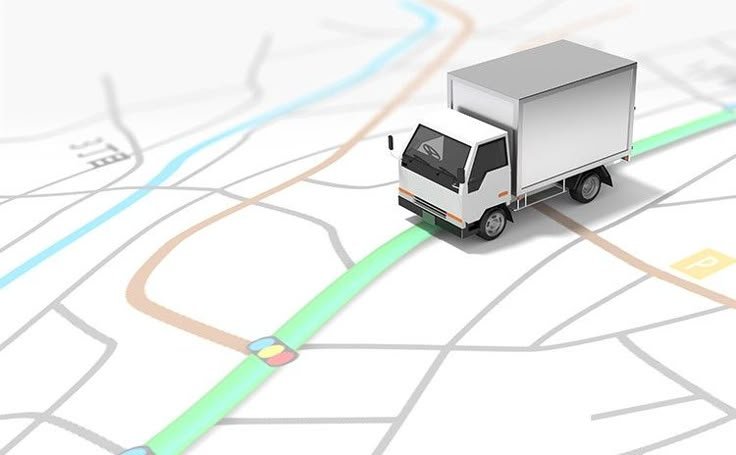
    ✔ Use GPS & Route Optimization Software (e.g., Google Maps, Route4Me).
    ✔ Avoid Traffic Jams with real-time updates.
    ✔ Cluster Deliveries by location to minimize backtracking.

    Example: A delivery company reduced fuel costs by 15% just by optimizing routes.*


    2. Consolidate Shipments

    Sending half-empty trucks is a waste of space and money.

    How to Improve:

    ✔ Combine Smaller Shipments into full truckloads (FTL).
    ✔ Partner with Other Businesses for shared logistics.
    ✔ Use LTL (Less Than Truckload) Services when full loads aren’t possible.

    Tip: Amazon uses AI to maximize truckload capacity, saving millions annually.*


    3. Choose the Right Transportation Mode

    Not all shipments need fast (and expensive) delivery.

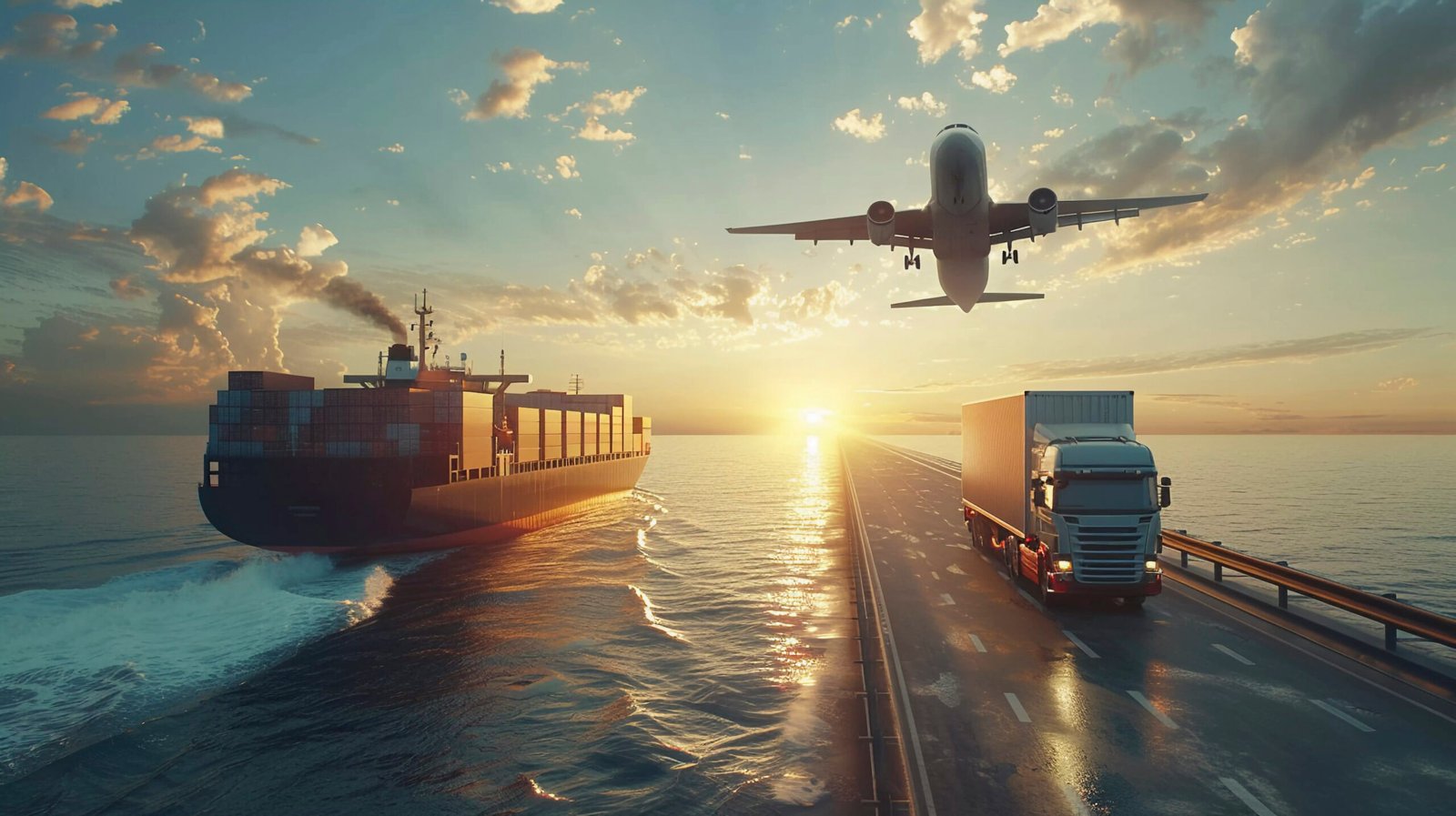
    ModeBest ForCost Efficiency
    Air FreightUrgent, high-value goods❌ Expensive
    Road (Trucking)Short to medium distances✅ Moderate
    RailHeavy, non-perishable bulk items✅ Very cost-effective
    Sea FreightInternational, non-urgent✅ Cheapest

    Example: Switching from air to sea freight for non-urgent imports can cut costs by 70%.*


    4. Maintain Fleet Efficiency

    Poorly maintained vehicles consume more fuel and break down frequently.

    How to Improve:

    ✔ Regular Maintenance (oil changes, tire checks).
    ✔ Use Fuel-Efficient Vehicles (electric/hybrid trucks).
    ✔ Monitor Driver Behavior (harsh braking = higher fuel use).

    Fact: Proper tire inflation alone can improve fuel efficiency by 3%.*


    5. Negotiate Better Carrier Rates

    Many businesses overpay simply because they don’t negotiate.

    How to Improve:

    ✔ Compare Multiple Carriers (UPS, FedEx, DHL, regional providers).
    ✔ Leverage Volume Discounts (commit to long-term contracts).
    ✔ Use Freight Brokers to find the best deals.

    Tip: Renegotiating contracts annually can save 5-10% on shipping costs.*


    6. Implement Warehouse Optimization

    Closer warehouses = shorter (cheaper) delivery routes.

    How to Improve:

    ✔ Use Regional Warehouses to reduce last-mile costs.
    ✔ Automate Inventory Management to avoid stockouts/overstocking.

    Example: Walmart uses strategic warehouse placement to cut delivery expenses.*


    7. Leverage Technology

    Manual processes lead to inefficiencies.

    Best Tools to Use:

    • TMS (Transportation Management System) – Automates freight planning.
    • IoT Sensors – Track fuel usage, vehicle health.
    • AI-Powered Logistics – Predict demand, optimize routes.

    Fact: Companies using AI in logistics see up to 20% lower costs.*


    8. Train Drivers for Fuel Efficiency

    Driver habits impact fuel consumption.

    How to Improve:

    ✔ Avoid Idling (1 hour of idling = 1 gallon of wasted fuel).
    ✔ Encourage Smooth Driving (gradual acceleration/braking).

    Example: UPS trains drivers to avoid left turns, saving 10 million gallons of fuel yearly.*


    9. Consider Outsourcing Logistics

    If managing transport in-house is too costly, 3PL (Third-Party Logistics) providers can help.

    Benefits:

    ✔ Lower overhead costs.
    ✔ Access to better shipping rates.
    ✔ Scalability during peak seasons.

    Example: Many e-commerce brands use ShipBob, Flexport, or FedEx Fulfillment to cut costs.*


    Final Thoughts

    Reducing transportation costs isn’t about cutting corners—it’s about working smarter. By optimizing routes, consolidating shipments, maintaining fleets, and leveraging technology, businesses can save thousands annually while improving service quality.
    Which strategy will you try first? Let me know in the comments! 🚛💨

  • Why CNG Trucks Make Business Sense for Truck Transport

    Why CNG Trucks Make Business Sense for Truck Transport

    In today’s rapidly evolving logistics industry, businesses are actively seeking cost-effective and eco-friendly transport solutions. Compressed Natural Gas (CNG) trucks are emerging as a smart choice for fleet operators and transport companies. Here’s why CNG trucks make strong business sense:


    1. Lower Operating Costs

    CNG is significantly cheaper than diesel or petrol in most regions. Over time, this translates into major savings on fuel expenses — often one of the biggest costs in transportation.


    2. Government Incentives

    Many governments offer tax rebates, subsidies, and toll exemptions for CNG-powered vehicles, further improving the return on investment for businesses switching to greener alternatives.


    3. Environmental Benefits = Brand Value

    CNG trucks emit much less CO₂ and particulate matter compared to diesel trucks. This helps businesses reduce their carbon footprint and build a greener, more responsible brand image — a growing priority for B2B and B2C partnerships.


    4. Lower Maintenance Costs

    CNG engines are generally cleaner, resulting in less engine wear and longer intervals between servicing. This can reduce downtime and maintenance costs significantly.


    5. Noise Reduction

    CNG engines are quieter, contributing to less noise pollution, which is especially beneficial for urban and night-time deliveries.


    6. Future-Proofing Your Fleet

    With global emissions regulations tightening, investing in CNG today means staying compliant tomorrow. It’s a practical step toward transitioning to cleaner technologies without going full-electric yet.


    Final Thoughts:

    CNG trucks offer a balance of performance, cost-efficiency, and environmental responsibility. For transport businesses looking to stay competitive and sustainable, switching to CNG is not just a green choice — it’s a smart business move.

  • 5 Essential Elements in Logistics Services Transportation – A Personal Perspective

    5 Essential Elements in Logistics Services Transportation – A Personal Perspective

    Logistics isn’t just about moving goods from point A to point B—it’s an intricate dance of efficiency, technology, and problem-solving. Over the years, I’ve seen how the right logistics strategy can make or break a business. Whether you’re a small e-commerce store or a large-scale distributor, mastering these five essential elements will keep your operations smooth and your customers happy.

    1. Smart Fleet Management (The Backbone of Logistics)

    A well-managed fleet is like a well-oiled machine. I remember working with a local delivery startup that struggled with constant breakdowns and delays. The game-changer? Real-time tracking and preventive maintenance. Investing in telematics and driver training reduced downtime by 40%.

    Key Takeaways:
    ✔️ GPS tracking for route optimization
    ✔️ Regular vehicle maintenance schedules
    ✔️ Driver performance monitoring

    2. Advanced Tracking Technology (No More Guessing Games!)

    Gone are the days of “Where’s my shipment?” frustrations. I once ordered a limited-edition item that got “lost” in transit—turns out, the seller had no real-time tracking. Modern logistics thrives on IoT, RFID, and AI-powered tracking systems that provide end-to-end visibility.

    Why It Matters:
    📌 Customers demand transparency
    📌 Reduces theft and misrouted packages
    📌 Enables proactive problem-solving

    3. Last-Mile Delivery Solutions (The Final Hurdle)

    Ah, last-mile delivery—the trickiest part of logistics. I’ve seen businesses lose customers simply because of late or failed deliveries. Companies like Amazon and FedEx excel here because they use micro-fulfillment centers, local couriers, and even drones to speed up the final stretch.

    Pro Tips:
    🚚 Use smaller, agile vehicles for urban deliveries
    📦 Offer flexible delivery options (lockers, pick-up points)
    🤖 Explore automation where possible

    4. Cost Control & Efficiency (Because Every Penny Counts)

    Logistics can be a money pit if not managed properly. I once consulted for a mid-sized retailer drowning in fuel and labor costs. By consolidating shipments, optimizing routes, and negotiating carrier contracts, we cut expenses by 25%.

    Ways to Save:
    💰 Bulk shipping discounts
    🔄 Backhaul optimization (no empty return trips!)
    📊 Data analytics to identify waste

    5. Customer-Centric Approach (The Ultimate Differentiator)

    At the end of the day, logistics is about people. I’ll never forget a client who switched suppliers just because of poor delivery communication. A seamless, transparent, and responsive logistics experience builds loyalty.

    How to Excel:
    💬 Proactive delivery updates (SMS/email alerts)
    🔄 Easy returns process
    ⭐ Personalized delivery preferences

    Final Thoughts

    Logistics isn’t just a backend operation—it’s a competitive advantage. Whether you’re a business owner or a logistics manager, focusing on these five elements can transform your supply chain from chaotic to streamlined.

    What’s your biggest logistics challenge? Let’s discuss in the comments!

  • Why small truck are best for last mile delivery

    Why small truck are best for last mile delivery

    Small trucks are ideal for last-mile delivery—the final step in the logistics chain where goods reach the end customer. Here’s why they outperform larger vehicles:

    1. Better Maneuverability

    • Narrower bodies easily navigate tight urban streets, alleys, and crowded neighborhoods.
    • Easier parking (even in small spaces) compared to large box trucks or trailers.

    2. Fuel & Cost Efficiency

    • Smaller engines consume less fuel, reducing operational costs.
    • Lower maintenance expenses (tires, brakes, and parts are cheaper).

    3. Faster Deliveries

    • Quicker loading/unloading due to compact size.
    • Avoid traffic congestion better than bulkier trucks.

    4. Lower Emissions

    • Many small trucks are electric or hybrid, complying with urban eco-friendly regulations.
    • Reduced carbon footprint compared to diesel-powered large trucks.

    5. Access to Restricted Zones

    • Some cities ban large trucks in certain areas (pedestrian zones, residential areas).
    • Small trucks often face fewer delivery time restrictions.

    6. Scalability for Small Orders

    • Perfect for e-commerce, food delivery, and small-business shipments.
    • Reduces wasted space (no half-empty large trucks).

    Examples of Small Delivery Trucks:

    • Electric Vans (e.g., Ford E-Transit, Rivian EDV)
    • Compact Trucks (e.g., Nissan NV200, Ram ProMaster City)
    • Cargo Bikes/Trikes (for hyper-local deliveries)

    When Large Trucks Are Still Needed:

    • Bulk deliveries (warehouse restocking, industrial shipments).
    • Rural areas with no space constraints.

    For urban last-mile logistics, small trucks offer speed, savings, and sustainability—making them the top choice for modern delivery fleets.

    Would you like recommendations for specific models based on your cargo type?

  • Top 5 Benefits of Heavy-Duty Truck Rentals

    Top 5 Benefits of Heavy-Duty Truck Rentals

    Heavy-duty truck rentals offer numerous advantages for businesses and individuals needing temporary or flexible transportation solutions. Here are the top 5 benefits of renting heavy-duty trucks:

    1. Cost Savings

    • Avoid large upfront costs of purchasing a truck.
    • No long-term maintenance, insurance, or storage expenses.
    • Pay only for the rental period needed.

    2. Flexibility & Scalability

    • Rent trucks as needed for seasonal demand, special projects, or peak business periods.
    • Choose different truck types (dump trucks, flatbeds, refrigerated trucks, etc.) based on specific needs.

    3. Access to Modern, Well-Maintained Vehicles

    • Rental fleets are regularly serviced and updated, ensuring reliability.
    • Avoid breakdowns with newer, high-performance trucks.

    4. No Depreciation or Resale Worries

    • Renting eliminates the risk of asset depreciation.
    • No need to deal with selling or trading in old trucks.

    5. Convenience & Reduced Administrative Hassles

    • Skip long-term financing and registration paperwork.
    • Many rental companies offer quick booking, roadside assistance, and flexible rental terms.

    Bonus Benefit: Try Before You Buy

    • Renting allows businesses to test different truck models before making a purchase decision.

    Heavy-duty truck rentals are ideal for construction, logistics, agriculture, and other industries requiring powerful, temporary hauling solutions.

  • Why GST Matters More Than You Think in the Truck Transport Business

    Why GST Matters More Than You Think in the Truck Transport Business

    If you’re in the trucking or logistics business like I am, you’ve probably had your fair share of paperwork headaches. Back in the day, every state border meant another tax, another document, another delay. But ever since GST (Goods and Services Tax) rolled out, things have changed—and honestly, for the better.

    Let me break it down in simple, real-world terms: GST didn’t just simplify tax—it streamlined the entire transport ecosystem.

    My First Realization: It Wasn’t Just About Tax

    I remember one of our trucks getting stuck at a state border for 14 hours because of missing forms and inter-state tax issues. The client was furious. The driver was frustrated. And I was on calls all night trying to sort it out.

    Then GST happened.

    Suddenly, no more octroi, no more CST confusion, no more endless border checks. Just one uniform tax across the country. It felt like someone had finally cleared the fog from the highway.

    Why GST Is a Big Deal for Trucking

    1. One Nation, One Tax

    Before GST, each state had its own set of taxes—CST, VAT, entry tax, etc. For transporters, it meant tons of compliance and delays. GST replaced all of that with a single system. Simple and clean.

    2. Faster Border Movement

    With GST and eWay Bills, trucks no longer spend hours at state borders. Less idle time = faster deliveries = happier clients.

    3. Input Tax Credit (ITC)

    Under GST, businesses can claim input tax credit on expenses like fuel, vehicle maintenance, and logistics services. That means more savings for transporters and logistics companies.

    4. Better Transparency and Accountability

    With everything being digital—eInvoices, eWay Bills, and GST filings—it’s easier to track shipments and avoid fraud or tax evasion.

    5. Improved Efficiency

    Fewer documents, less red tape, faster approvals. For fleet owners like me, it means focusing more on operations and less on paperwork.

    But It’s Not All Smooth Roads

    Yes, GST brought a lot of benefits, but it also came with learning curves. Smaller fleet operators struggled with tech adoption. Even today, there’s confusion about interstate vs. intrastate GST, and late filings still bring penalties.

    But let’s be real: compared to the chaos before, GST is a huge step forward.

    In Short…

    GST may not sound glamorous, but in the truck transport business, it’s a silent hero. It keeps wheels moving, paperwork simple, and business running smoother than ever.


    Next time you track a package across states and it arrives on time—thank GST for making that journey a whole lot easier.

  • How Live Truck Tracking Totally Changed the Logistics Game

    How Live Truck Tracking Totally Changed the Logistics Game

    Not too long ago, tracking a delivery felt like sending a message into the void. You’d ship something and just hope it arrived on time. But now? With live truck tracking, we don’t just wait—we watch it happen. And as someone who’s worked with logistics teams and obsessed over real-time maps, I can confidently say: live tracking has completely transformed logistics.

    The First Time I Used Live Tracking

    I remember shipping a batch of fragile goods for a client from Delhi to Jaipur. Usually, I’d call the driver 3–4 times a day asking, “Bhaiya, kahaan tak pahunche?” But this time, the transport company used a tracking system. I just clicked a link and boom—real-time location, speed, route, even stoppages. No calls. No guesswork. Just clarity.

    It was a revelation.

    Why Live Truck Tracking Is a Game-Changer

    Here’s what makes it such a big deal:

    1. Real-Time Visibility

    Know exactly where your shipment is, at any given time. For logistics managers, this is gold. For customers, it builds trust.

    2. Better Planning & Route Optimization

    Tracking data helps avoid traffic bottlenecks and even suggests alternate routes. Delays? Reduced. Fuel use? Optimized.

    3. Increased Accountability

    Drivers know they’re being monitored (in a good way), which means fewer unnecessary breaks, better driving behavior, and timely deliveries.

    4. Customer Transparency

    Imagine telling a client, “Your truck will arrive at 4:10 PM,” and it actually does. That level of confidence only comes with live data.

    5. Instant Alerts

    Breakdowns, detours, or delays? You’re notified instantly. No surprises, no finger-pointing, just action.

    Challenges? Of Course.

    Not every fleet is equipped with GPS systems yet, especially in smaller towns or with independent truckers. Plus, poor connectivity in remote areas can mess with real-time updates. But that’s changing—fast.

    What’s Next?

    We’re already seeing AI integration, predictive ETA algorithms, and even temperature tracking for perishable goods. The day isn’t far when you’ll get a WhatsApp alert the moment your package crosses your city border.


    Live truck tracking isn’t just a feature anymore—it’s a logistics necessity. For businesses, it’s about efficiency and customer trust. For me? It’s a small thrill every time I open a live map and see that little truck icon moving steadily toward its destination.

  • What Are Transportation Services? A Beginner’s Guide

    What Are Transportation Services? A Beginner’s Guide

    Whether you’re moving across town, shipping goods to another city, or running a logistics-dependent business, you’ve probably come across the term “transportation services.” But what does it really mean? And how do these services work?

    This beginner-friendly guide will help you understand the essentials of transportation services and how to choose the right one for your needs.


    🔍 What Are Transportation Services?

    Transportation services refer to the organized movement of goods or people from one place to another using different modes such as road, rail, air, or water. These services can be offered by private companies, government agencies, or individual operators.

    In simple terms, any time something or someone is moved from point A to point B with the help of a vehicle—be it a truck, car, ship, or plane—it involves transportation services.


    🛣️ Types of Transportation Services

    Here are the main types you’ll encounter:

    1. Road Transport

    • Most common form of transport
    • Includes trucks, tempos, bikes, autos
    • Great for short to medium distances

    2. Rail Transport

    • Cost-effective for heavy or bulk goods
    • Often used for intercity or interstate shipping

    3. Air Transport

    • Fastest but most expensive
    • Ideal for urgent or long-distance deliveries

    4. Water Transport

    • Used for international trade via cargo ships
    • Best for large shipments with flexible timelines

    🧳 What Do Transportation Services Include?

    A professional transportation company may offer:

    • Vehicle rental with driver
    • Packing and moving (for household or office shifting)
    • Freight and cargo handling
    • Live tracking of shipments
    • Goods insurance
    • Door-to-door delivery

    🎯 Why Transportation Services Matter

    Efficient transportation plays a key role in:

    • Business growth – Ensures timely delivery to customers or partners
    • Supply chain reliability – Keeps goods moving smoothly
    • Relocations – Makes shifting homes or offices less stressful
    • E-commerce – Enables quick deliveries and customer satisfaction

    ✅ How to Choose the Right Transportation Service

    Here’s a checklist to help you decide:

    • Check experience & reputation
    • Compare pricing & services
    • Look for live tracking and customer support
    • Make sure vehicles are insured and drivers verified
    • Read online reviews or ask for references

    🚀 Conclusion

    Transportation services are the backbone of everyday life—whether you’re shipping a product, relocating to a new home, or running a logistics-heavy business. Understanding the types of services available and how they work helps you make smarter, cost-effective decisions.

    Need help finding reliable transporters near you? Stay tuned for our next blog on the Top Transporters in Your City.

  • Why Reliable Transport Matters in Today’s Fast-Paced World

    Why Reliable Transport Matters in Today’s Fast-Paced World

    Why Reliable Transport Matters in Today’s Fast-Paced World

    In today’s world of instant communication, same-day delivery, and global supply chains, reliable transport services are the backbone of modern business and daily life. Whether you’re managing logistics for a company or simply commuting to work, the ability to move goods and people safely and on time is more critical than ever.

    1. Time is a Competitive Advantage

    Businesses operate on tight schedules. Delayed deliveries can lead to production halts, lost sales, and unhappy customers. Reliable transport helps you:

    • Meet customer deadlines
    • Avoid costly downtime
    • Stay ahead of the competition

    In a fast-paced world, every minute matters — and dependable logistics make all the difference.

    2. Consistency Builds Trust

    Customers and clients value consistency. If your transport solution is reliable, so is your brand. Timely deliveries and predictable service help:

    • Strengthen brand reputation
    • Improve customer satisfaction
    • Increase client retention

    People do business with brands they trust, and transport reliability is a major part of that trust.

    3. Supply Chain Stability

    Reliable transportation is essential to a smooth-running supply chain. When one link in the chain fails, the impact is felt everywhere. Consistent transport ensures:

    • On-time inventory restocking
    • Smoother distribution operations
    • Reduced risk of production delays

    A stable supply chain means fewer disruptions and better margins.

    4. Enhanced Safety and Security

    Transport isn’t just about speed — it’s also about safety. Reliable providers maintain vehicles, train staff, and implement security protocols to ensure:

    • Fewer accidents and breakdowns
    • Secure delivery of high-value goods
    • Real-time tracking for peace of mind

    Safety and reliability go hand in hand in building a dependable service.

    5. Supporting Modern Lifestyles

    For individuals, reliable transport impacts daily routines — from catching a train to getting to work or school on time. Inconsistent service leads to:

    • Missed appointments
    • Increased stress
    • Reduced productivity

    A well-run transport network supports everything from personal freedom to national economic productivity.

    6. Environmental Efficiency

    Reliable transport isn’t just good for business — it’s better for the planet. Timely, optimized routing reduces:

    • Fuel consumption
    • Emissions
    • Traffic congestion

    Green logistics start with dependable systems that run efficiently.


    Conclusion

    In a fast-paced, high-expectation world, reliable transport is not a luxury — it’s a necessity. It drives economic growth, supports daily life, and builds stronger, more resilient businesses. Whether you’re shipping a package or transporting a team, reliability is the key to success.