Tag: logistics

  • What Steps Can Make Fleet Management Businesses More Profitable

    What Steps Can Make Fleet Management Businesses More Profitable

    Running a fleet management business isn’t just about moving vehicles from point A to B—it’s about doing it efficiently, affordably, and smartly. Over the years, I’ve seen companies either grow exponentially or burn out simply based on how well they manage their fleet.

    So, what really moves the needle? Let’s talk about the key steps that can make your fleet management business more profitable—whether you’re managing ten trucks or a thousand.


    1. Track Every Vehicle in Real-Time

    If you’re not using GPS tracking by now, you’re already behind. Real-time tracking allows you to:

    • Monitor vehicle locations
    • Plan better routes
    • Prevent misuse or unauthorized stops
    • Provide accurate ETAs to customers

    It might seem like a basic step, but it directly improves efficiency and reduces fuel costs—boosting your bottom line.


    2. Invest in Preventive Maintenance

    Breakdowns are expensive—plain and simple. Regular maintenance checks and scheduled servicing can:

    • Reduce costly downtime
    • Extend vehicle life
    • Improve fuel efficiency
    • Enhance driver safety

    I always recommend using fleet maintenance software that alerts you before small issues become big repair bills.


    3. Optimize Routes and Deliveries

    Every extra mile driven is money spent. Smart route optimization can save thousands over the course of a year. Use tools that factor in:

    • Traffic
    • Road conditions
    • Customer time windows
    • Fuel stops

    Shorter routes = less fuel, less wear and tear, faster delivery = more profits.


    4. Use Telematics for Driver Behavior Monitoring

    Here’s a game-changer: monitor how your drivers behave on the road. Harsh braking, speeding, idling—all these actions add to your costs. Telematics solutions can help you:

    • Improve fuel economy
    • Reduce accident risk
    • Lower insurance premiums
    • Encourage safer driving habits

    You can even run incentive programs for drivers who consistently perform well.


    5. Automate Fuel Management

    Fuel is one of the biggest expenses in fleet operations. With fuel management systems, you can:

    • Track consumption per vehicle
    • Detect fuel theft or fraud
    • Identify underperforming vehicles
    • Choose the most fuel-efficient models

    Switching to fuel cards and getting detailed reporting changed the game for one of my clients. It’s an underrated but powerful step.


    6. Right-Size Your Fleet

    More vehicles don’t always mean more business. In fact, underutilized vehicles eat into profits through insurance, taxes, and maintenance. Analyze:

    • Vehicle usage patterns
    • Peak vs. off-peak demand
    • Seasonal requirements

    Then decide whether to lease, rent, or sell extra vehicles.


    7. Go Digital with Fleet Management Software

    Stop juggling spreadsheets, whiteboards, and WhatsApp groups. Fleet management software can streamline:

    • Dispatching
    • Compliance tracking
    • Maintenance records
    • Driver schedules
    • Invoice and billing

    It saves time, reduces human error, and gives you a bird’s-eye view of everything.


    8. Cut Down Idle Time

    Idle vehicles cost you money. Even a few minutes of idling per trip can add up. Use tools that:

    • Alert you when vehicles are left running
    • Track idle times across your fleet
    • Send weekly reports

    Encourage your team to switch off engines when not in motion. A little awareness goes a long way.


    9. Monitor and Improve KPIs

    Data is your best friend. Profitability is all about measuring what matters. Set KPIs like:

    • Cost per mile
    • Average delivery time
    • Fuel efficiency
    • Vehicle downtime
    • On-time delivery rate

    Use these to identify areas for improvement and to celebrate wins with your team.


    10. Build a Culture of Accountability

    At the end of the day, technology won’t fix things if your team isn’t aligned. Create a culture where:

    • Drivers care about the fleet as if it were their own
    • Managers use data for decisions, not guesswork
    • Everyone works toward a common goal: profitability

    Training, communication, and regular feedback help build a high-performance fleet culture.


    Final Thoughts

    Fleet management profitability isn’t about cutting corners—it’s about working smarter. When you combine technology, accountability, and efficiency, the results will follow.

    Trust me, I’ve seen fleets go from barely breaking even to thriving—all by implementing a few of these steps. Start small, measure results, and build from there. The road to profitability is smoother than you think.
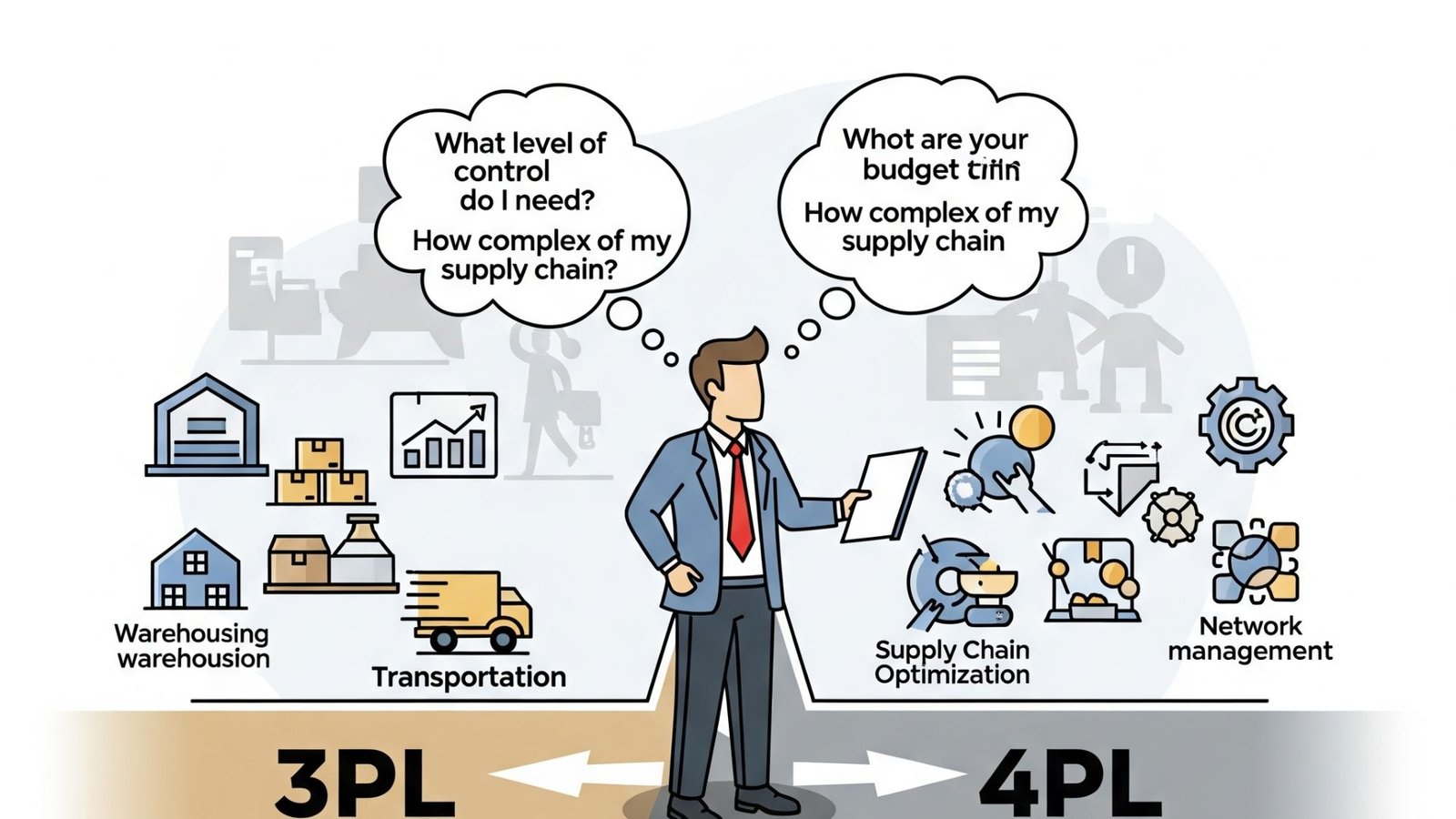

  • 3PL vs 4PL: What’s the Difference & Which One is Right for Your Business

    3PL vs 4PL: What’s the Difference & Which One is Right for Your Business

    As someone who’s been dabbling in logistics and supply chain strategy for a while now, one question I get asked a lot is: What’s the difference between 3PL and 4PL? And more importantly—which one should you choose?

    Let’s break it down in simple terms, explore the pros and cons, and see where each fits in your logistics puzzle.


    First Things First: What Do 3PL and 4PL Mean?

    What is 3PL (Third-Party Logistics)?

    3PL stands for Third-Party Logistics. In short, it means outsourcing your logistics operations—like warehousing, inventory, order fulfillment, and shipping—to a specialized provider.

    Think of 3PL as your logistics partner that takes over a part of the supply chain so you can focus on growing your business.

    Example: If you’re an eCommerce brand, a 3PL provider stores your products, packs them when orders come in, and ships them to your customers.


    What is 4PL (Fourth-Party Logistics)?

    4PL, or Fourth-Party Logistics, is a bit more advanced. A 4PL provider doesn’t just handle your logistics—they manage your entire supply chain from end to end.

    You can think of them as a logistics consultant or manager. They coordinate with multiple 3PLs, carriers, warehouses, and tech systems, acting as your single point of contact.

    Example: A 4PL provider might design and oversee your whole supply chain network, monitor performance, manage multiple vendors, and use data to improve efficiency.


    The Advantages of 3PL

    1. Scalability and Flexibility
      • You can scale operations up or down based on demand without investing in your own infrastructure.
    2. Cost Savings
      • Shared warehousing and transport networks lower costs, especially for small and mid-sized businesses.
    3. Expertise and Efficiency
      • You benefit from a team of logistics experts without building one in-house.
    4. Focus on Core Business
      • You get more time to focus on marketing, product development, or customer service.

    The Downsides of 3PL

    1. Less Control
      • Once outsourced, you may have limited control over how logistics operations are handled.
    2. Integration Challenges
      • Syncing systems and data between your business and a 3PL can be a bit messy.
    3. Hidden Costs
      • Fees for storage, packaging, or returns might add up if not clearly defined in the contract.

    The Advantages of 4PL

    1. Complete Supply Chain Management
      • A 4PL acts like a logistics architect—they design, implement, and manage your entire logistics ecosystem.
    2. Single Point of Contact
      • You don’t need to deal with multiple vendors. One partner takes care of it all.
    3. Data-Driven Decisions
      • Many 4PLs offer high-level analytics and reporting, helping you make strategic decisions.
    4. Improved Efficiency
      • They can streamline operations by eliminating redundancies and optimizing routes and warehouses.

    The Downsides of 4PL

    1. Higher Costs
      • Because of their comprehensive service, 4PLs often charge a premium.
    2. Dependency
      • You might become overly reliant on the 4PL, making it hard to switch or bring operations back in-house.
    3. Not Ideal for Small Businesses
      • If you’re a startup or small business, a 4PL might be overkill and financially unsustainable.

    So… 3PL or 4PL – Which One Is Right for You?

    Here’s my take:

    • Go with 3PL if you’re a growing business that needs help with warehousing, shipping, and order fulfillment—but still wants control over strategy and decision-making.
    • Consider 4PL if your operations are complex, you’re working with multiple vendors, and you want a strategic partner to optimize your full supply chain.

    Both 3PL and 4PL can be game-changers—it just depends on what stage your business is in and how much control you’re ready to let go of.


    Final Thoughts

    Logistics isn’t just about moving stuff from Point A to Point B anymore—it’s about speed, efficiency, and customer satisfaction. Whether you choose 3PL or 4PL, make sure your provider aligns with your goals, communicates well, and scales with you as you grow.

    Been there, done that—and trust me, the right logistics partner can make or break your business.

  • Common Mistakes Truck Drivers Should Avoid (From Someone Who’s Seen It All)

    Common Mistakes Truck Drivers Should Avoid (From Someone Who’s Seen It All)

    I’ve worked with truck drivers for over a decade—some brilliant, some… not so much. Over the years, I’ve seen small slip-ups turn into major delays, damage, fines, or even accidents. And here’s the truth: most of these problems were 100% avoidable.

    Whether you’re new to the road or have millions of kilometers behind you, we all need a reminder now and then. So, here’s my no-fluff list of common mistakes truck drivers should avoid—based on real-world experience, not a training manual.


    1. Skipping the Pre-Trip Inspection

    This is the classic mistake.

    Yes, it takes 10–15 minutes. Yes, you’ve probably driven that truck a hundred times before. But skipping the pre-trip inspection is like flying blind.

    One worn tire. One loose strap. One unnoticed leak. That’s all it takes to ruin your delivery schedule—or worse, cause an accident.

    Lesson: Always check tires, brakes, lights, fluids, and cargo security before moving.


    2. Over-Reliance on GPS

    GPS is great—but it’s not perfect. I’ve seen drivers follow GPS into narrow village roads, low bridges, or restricted zones simply because “the map said so.”

    Real pros combine GPS with route planning, local knowledge, and good judgment. If something looks off, stop and check.

    Avoid roads not suitable for heavy trucks. Look for truck-friendly routing apps.


    3. Poor Cargo Securing

    It’s not just about loading the truck—it’s about securing the load properly. I’ve seen entire pallets shift, glass panels shatter, and even engines fall because someone used the wrong straps or skipped a final check.

    Rule of thumb: If it can move, it will move. Strap it down like your paycheck depends on it.


    4. Ignoring HOS Rules (Hours of Service)

    Fatigue kills. Plain and simple.

    Some drivers try to “make up time” by skipping rest breaks or logging creatively. But violating Hours of Service isn’t just illegal—it’s dangerous for you and everyone else on the road.

    Stick to your logbook. Take the breaks. It’s not weakness—it’s professionalism.


    5. Not Preparing for Weather Changes

    Ever seen a driver stuck in the snow with bald tires or summer wipers? I have—and it’s not pretty.

    Long-haul drivers, especially, need to be ready for rain, fog, snow, and scorching heat—all in one trip.

    Keep emergency gear: chains, water, food, blankets, gloves, a flashlight, and a solid jacket.


    6. Poor Communication with Dispatch

    A silent driver is a risky driver.

    Not updating dispatch about delays, breakdowns, or delivery issues creates a ripple effect of confusion. Your dispatcher is your lifeline—keep them in the loop.

    Even a 10-second call or message can save hours of headache later.


    7. Bad Parking Choices

    Illegal or unsafe parking can lead to tickets, theft, or worse—accidents.

    If it looks shady, it probably is. Use designated truck stops or secure areas. Don’t leave the rig unattended in high-crime zones, and always lock your doors.

    Avoid ramps, shoulders, and underpasses unless it’s an emergency.


    8. Neglecting Personal Health

    You can’t take care of your truck if you don’t take care of yourself.

    Poor diet, no exercise, and irregular sleep wear you down. Eventually, it affects your focus, reflexes, and reaction time.

    Stay hydrated, walk around during breaks, and eat real food when you can. Your body is part of your rig.


    9. Not Asking for Help When Needed

    Pride gets a lot of drivers into trouble. No one knows everything—not the rookie, not the 20-year veteran.

    If you’re unsure about a dock, a route, a schedule—ask. It’s better to ask twice than to screw up once.

    Good drivers stay humble and open to learning.


    Final Thoughts: Smart Drivers Make Smart Decisions

    Mistakes don’t make you a bad driver. Refusing to learn from them does.

    So if you’re reading this and thinking, “Yup, I’ve done that…” — congratulations. You’re already one step ahead of those who think they’ve got nothing left to learn.

    Stay sharp. Stay safe. And always remember: it’s not just about driving the truck—it’s about owning the responsibility that comes with it.


    Mistakes to Avoid

    • Skipping pre-trip inspections
    • Relying only on GPS
    • Poor cargo securing
    • Ignoring rest breaks
    • Not prepping for weather
    • Poor dispatch communication
    • Unsafe parking
    • Ignoring health
    • Being too proud to ask for help
  • How to Improve Urban Freight Transportation (Without Losing Your Mind)

    How to Improve Urban Freight Transportation (Without Losing Your Mind)

    Urban freight. Two words that make most logistics professionals groan.

    If you’ve ever tried delivering goods in a city during peak hours, you know the struggle: traffic jams, narrow streets, parking restrictions, noise complaints—you name it.

    I’ve been there. And after years of wrestling with urban freight nightmares, I’ve picked up a few strategies that actually work. This isn’t theory from a textbook—these are real-world, tried-and-tested solutions that made my job (and my drivers’ lives) a whole lot easier.

    Let’s break it down.


    1. Go Micro: Embrace Micro-Hubs & Last-Mile Centers

    One of the best decisions I made was setting up a micro-fulfillment hub just outside the city core. Instead of sending 10 trucks into downtown, we’d bulk ship to the hub, then use electric vans or bikes for the last mile.

    Result? Lower emissions, faster deliveries, and far fewer headaches with parking or city regulations.

    Pro Tip: Partner with co-working spaces, closed malls, or parking lots—many are eager to lease out space.


    2. Use Off-Peak Delivery Windows

    Some cities (bless them) allow night-time or early morning deliveries. We experimented with off-peak hours and saw a 30% reduction in delivery times.

    Yes, it took some scheduling changes. Yes, we had to invest in quieter unloading equipment. But the payoff was worth it.


    3. Leverage Data, Not Just Maps

    You can’t fix what you can’t see. We started using data from telematics, route tracking, and traffic APIs to identify consistent slowdowns and bottlenecks.

    Turns out, certain roads were always jammed at 4 PM. Once we adjusted routes and delivery times, our schedule started working for us instead of against us.


    4. Switch to Eco-Friendly Delivery Options

    I used to think e-bikes were a novelty. Now, they’re our go-to for short-range deliveries.

    They’re:

    • Fast in traffic
    • Cheap to run
    • Allowed in zones where trucks are banned

    Plus, customers love the eco-vibe. If you’re not experimenting with electric vans, cargo bikes, or even walking couriers—you’re missing out.


    5. Collaborate with Other Shippers (Yes, Really)

    Urban congestion isn’t your problem alone. I reached out to two other local businesses and suggested shared deliveries. We combined loads going to the same areas.

    End result? Fewer trucks on the road, split fuel costs, and a surprising new business friendship.


    6. Digital Booking for Loading Bays

    This was a lifesaver. We installed a simple online system to let drivers pre-book loading docks at our city warehouse.

    No more trucks circling the block. Just smooth, scheduled unloading.

    If you own property in a city, consider it. If not, push your delivery partners to adopt it.


    7. Plan with Cities, Not Against Them

    At first, I saw urban transport rules as the enemy. But the moment I started attending city logistics meetings and joining local forums, everything changed.

    Planners want to hear from people on the ground. I even helped test a new delivery zone that now saves us 20 minutes per drop.


    Final Thoughts: Cities Aren’t the Problem. Poor Planning Is.

    Urban freight is hard. But with the right mindset—and a few smart tweaks—you can turn your operation from chaotic to coordinated.

    So here’s my challenge: look at your city routes, delivery windows, and fleet setup. What’s one small change you can try this month? Then go do it. Your team, your customers, and your sanity will thank you.


    Summary:

    • Set up micro-hubs for last-mile delivery.
    • Use off-peak hours to avoid congestion.
    • Track real-time traffic and route data.
    • Use eco-friendly vehicles like e-bikes.
    • Collaborate with other businesses for load sharing.
    • Implement digital dock scheduling.
    • Work with city planners, not against them.
  • How to Boost Logistics Performance: A Complete Guide

    How to Boost Logistics Performance: A Complete Guide

    How I Boosted My Logistics Performance (And How You Can Too)

    Let me take you back a few years.

    I was managing logistics for a mid-sized company dealing in FMCG goods. On paper, things were “okay,” but behind the scenes? It was chaos. Deliveries were late, warehouses were messy, and customer complaints were slowly killing our reputation.

    That’s when I realized something had to change.

    Over the past few years, I’ve tested tools, tweaked systems, and made mistakes—but ultimately, I figured out a system that works. So, I’m sharing it here. Whether you run a logistics business, manage operations, or are just getting started, these insights might just save your sanity.


    1. Route Optimization Was a Game Changer

    In the early days, I relied on my drivers’ “experience” to decide routes. Big mistake.

    We eventually started using a route optimization tool (I personally loved OptimoRoute, but there are many out there). Within a week, fuel costs dropped, and ETAs became predictable. No more endless calls from customers asking where their delivery was.

    My tip: Don’t guess. Let data do the driving.


    2. I Embraced Warehouse Automation (Not Robots, Just Smart Tech)

    No, I didn’t invest in shiny warehouse robots. But I did implement a basic Warehouse Management System (WMS) that helped track inventory better than my old spreadsheet ever could.

    We cut down mis-picks by over 30%, and my staff actually thanked me. That never happens.


    3. Training My Team Wasn’t Optional – It Was Essential

    For the longest time, I thought the problem was “laziness.” Turns out, it was confusion. Once I started holding short weekly training sessions, things changed. The warehouse team got faster, safer, and actually started enjoying their jobs again.

    Lesson learned: Invest in your people, not just your process.


    4. Real-Time Tracking Changed Everything

    Before real-time tracking, deliveries were a black hole. We’d send trucks out and cross our fingers.

    Now? We know exactly where each vehicle is, and so do our clients. It’s amazing what a simple tracking link can do for trust.

    Pro tip: Even basic GPS tracking goes a long way. No need for enterprise-level solutions at first.


    5. Small Wins Added Up

    • I moved my most frequently picked items closer to the dispatch bay.
    • I set reorder alerts to avoid stockouts.
    • I made checklists for loading/unloading so nothing got missed.

    None of these are revolutionary—but when you stack them, they make a difference.


    6. I Stopped Ignoring the Last Mile

    If you’ve ever run deliveries in a city, you know: the last mile is often the most expensive and unpredictable part.

    We experimented with micro-fulfillment and even partnered with a local food delivery startup to help during festivals. It was scrappy, but it worked.

    Now, our last-mile deliveries are 20% faster and a whole lot cheaper.


    7. KPIs Became My Compass

    I used to make decisions based on gut feeling. Now I look at a few key numbers every Monday morning:

    • On-time delivery %
    • Fulfillment accuracy
    • Cost per km
    • Inventory turnover

    It keeps me grounded. Numbers don’t lie.


    Final Thoughts: Logistics Isn’t Just Trucks and Warehouses

    It’s a living, breathing system. When one part lags, the whole machine slows down. But the good news? You don’t need to fix it all at once.

    Start small. Pick one area—routes, tracking, training—and start improving. Then move to the next. Keep going.

    Today, my logistics operation runs smoother than ever. And yours can too.

    If you ever feel stuck, just remember: progress beats perfection.

    Got questions? Or tips of your own? I’d love to hear them. Drop a comment below or message me—let’s learn from each other.

  • How to Deal with Increased Logistics Costs

    How to Deal with Increased Logistics Costs

    If you’ve been feeling the pinch of rising logistics costs lately, trust me — you’re not alone. Whether it’s skyrocketing fuel prices, higher tolls, driver shortages, or even warehousing fees creeping up — logistics costs seem to be climbing faster than a truck on a mountain road.

    As someone who’s worked with businesses that run everything from five delivery vans to full-scale freight operations, I’ve seen just how much logistics eats into profits. But here’s the good news: you can fight back — smartly and strategically.

    Let’s talk about real, actionable ways to deal with increased logistics costs (without sacrificing service or driving yourself nuts).


    🚛 1. Optimize Routes — Seriously, It’s a Game Changer

    Route optimization isn’t just a buzzword. It’s a cost-saving weapon.

    Use software (there are great tools like Locus, Route4Me, or even Google Maps in a pinch) to map out the shortest, least congested routes. Fewer kilometers = lower fuel costs = less wear and tear.

    Pro Tip:
    Even shaving off 10-15 km per trip can save thousands per month across a fleet.


    🧠 2. Reevaluate Mode of Transport

    Are you always sending by air because it’s “faster”? Or using full-truckload (FTL) when less-than-truckload (LTL) could do?

    Switching your mode of transport based on urgency, volume, and distance is one of the easiest ways to cut costs without affecting reliability.

    📦 “Fastest” isn’t always best. “Smartest” usually is.


    🧊 3. Consolidate Shipments

    If you’re shipping small loads frequently, you might be paying premium rates without realizing it. Shipment consolidation — grouping smaller shipments into one — can significantly reduce per-unit shipping costs.

    📌 Talk to your 3PL or freight partner about consolidation options, especially if your loads are flexible.


    🤝 4. Negotiate With Your Logistics Partners

    Many businesses simply accept rate hikes — but don’t forget, everything in logistics is negotiable.

    If your volumes are consistent or you’re a long-term customer, you have leverage. Ask for:

    • Volume-based discounts
    • Fuel surcharge caps
    • Flexible payment terms

    🗣️ One quick conversation could save you 5-10% on monthly costs.


    🏪 5. Reconsider Your Warehouse Strategy

    Rents are up. Electricity is up. Labor is up. Warehousing isn’t cheap anymore.

    This is a good time to:

    • Move closer to your customer base
    • Use on-demand warehousing options
    • Reduce space by improving inventory turnover

    🧮 Inventory sitting in a warehouse = money not moving. Time to fix that.


    📲 6. Invest in the Right Technology

    I know — spending more to save sounds counterintuitive, but good logistics tech pays for itself.

    Here’s what helps:

    • TMS (Transportation Management Systems)
    • WMS (Warehouse Management Systems)
    • Real-time GPS tracking
    • Electronic Proof of Delivery (ePOD)
    • Fleet management apps

    📉 One company I worked with reduced fuel usage by 12% just by installing GPS + idle-time monitoring.


    🔄 7. Streamline Reverse Logistics

    Returns can quietly drain profits. If you’re in eCommerce or B2C, reverse logistics is probably chewing up a chunk of your logistics spend.

    • Offer store credits instead of full returns
    • Use centralized drop points for returns
    • Automate return approvals and labels

    🔄 Fewer return trips = lower transport costs and faster resolutions.


    📈 8. Track Every Cost – No Blind Spots

    You can’t fix what you don’t measure. Set up a simple dashboard or use a spreadsheet to track:

    • Cost per delivery
    • Fuel spend per route
    • Delivery delays
    • Damage/loss percentages

    📊 Once you can see your logistics leakages, you can plug them.


    🌱 9. Go Green (and Save Money)

    Sustainable logistics isn’t just for the planet — it’s great for your wallet too.

    • Use fuel-efficient vehicles or EVs
    • Encourage full loads (no half-empty trucks)
    • Go paperless with digital delivery systems

    🌍 Cutting emissions often means cutting fuel and paper costs too.


    🧩 10. Outsource When It Makes Sense

    Sometimes trying to do it all in-house just doesn’t make financial sense.

    Third-party logistics (3PL) providers often have:

    • Better rates (bulk pricing)
    • Wider networks
    • Streamlined systems

    🤔 Instead of running your own mini-logistics company, focus on your core business and let the pros handle the heavy lifting.


    🏁 Wrapping Up: The Road to Leaner Logistics

    Increased logistics costs are the new normal, but that doesn’t mean you’re powerless.

    By being proactive — optimizing routes, using tech, negotiating better deals, and tracking your performance — you can manage these rising costs like a boss and keep your margins healthy.

    Don’t panic. Just pivot.


    📌 Your Turn:

    Are you facing rising logistics costs in your business? Drop a comment or let me know what’s worked (or hasn’t) for you — always love learning new tricks from the field.

  • Fundamental Pillars of Freight Transportation: What Really Keeps Things Moving

    Fundamental Pillars of Freight Transportation: What Really Keeps Things Moving

    If you’ve ever ordered something online and received it within a few days (or even hours!), you’ve already witnessed the magic of freight transportation in action. But behind that “delivered” notification is a finely tuned system built on a few solid, non-negotiable pillars.

    As someone who’s been knee-deep in logistics conversations, late-night delivery planning, and more than a few warehouse coffee breaks, I can tell you—freight transportation isn’t just about moving stuff. It’s about moving everything that matters to the economy.

    So today, let’s talk about the fundamental pillars of freight transportation—the things that hold up this massive, moving industry.


    1. 🛣️ Infrastructure: The Roads, Rails, Ports, and Runways

    Let’s start with the obvious but most overlooked part—infrastructure.
    No freight system can survive without solid roads, functional ports, efficient rail lines, and busy airports.

    Whether it’s a container ship docking at Mumbai Port, a train full of coal heading through eastern India, or a refrigerated truck driving into Delhi at 3 a.m., infrastructure is the backbone. When it’s strong, freight flows. When it breaks down (hello, potholes and port congestion), delays and costs shoot up.

    Personal Note:
    I once had a client lose half a day’s worth of deliveries in peak season because of a collapsed bridge detour. That’s when I really understood how critical infrastructure is—not just nationally, but even block by block.


    2. 🚛 Mode Selection: Picking the Right Ride for the Job

    Should you ship by truck, rail, air, or sea? The answer depends on the product, distance, urgency, and budget. That’s where mode selection comes in.

    Here’s a quick breakdown:

    • Trucks: Flexible, great for last-mile and regional delivery.
    • Rail: Ideal for bulk goods and long distances.
    • Air: Fast but pricey—best for high-value or perishable items.
    • Sea: Super cost-effective for global shipping, but slow.

    I’ve seen companies lose margins just because they used air when sea freight would’ve worked just fine with a bit of planning. It’s like using a Ferrari for a milk run.

    Choosing the right mode (or a smart combo of them—called intermodal transport) can seriously affect delivery times and cost efficiency.


    3. ⚙️ Technology: The Invisible Engine Driving It All

    Gone are the days of clipboard checklists and guessing where your truck is. Today, technology runs the show.

    Some of the must-have tech tools:

    • GPS tracking & fleet management
    • Route optimization software
    • Warehouse automation
    • TMS (Transportation Management Systems)
    • Real-time dashboards for customers

    Even small logistics firms are now using mobile apps to assign deliveries, confirm proof of delivery, and optimize fuel usage.

    Fun fact:
    I once consulted with a transporter who still used paper logbooks. After going digital, he cut down fuel costs by 18% in three months. The numbers don’t lie.


    4. 📜 Regulations & Compliance: Playing by the Rules

    Freight transportation might feel like a wild west sometimes, but it’s actually governed by a complex set of regulations—especially in India.

    There are rules around:

    • Weight limits
    • Driver working hours
    • Goods classification
    • Environmental emissions
    • Toll and tax structures (think E-way bills, GST, FASTag, etc.)

    Staying compliant means avoiding fines, seizures, and business shutdowns.

    Pro tip:
    If you’re running or managing a fleet, always keep documents ready and train your drivers. I’ve seen trucks held up at state borders just for not having updated permits!


    5. 📦 Logistics Planning: The Heart of Operational Success

    Even with the best vehicles, roads, and tech—you need a solid logistics plan to bring everything together. That includes:

    • Inventory management
    • Demand forecasting
    • Route and load planning
    • Delivery scheduling
    • Reverse logistics (yes, returns are a BIG deal now)

    Think of this as the brain behind the freight system. Without good planning, even the most advanced setup can become chaotic.

    I always tell new businesses: You don’t need 100 trucks; you need a good logistics brain that tells those 10 trucks what to do—smartly.


    🧠 Wrapping It All Up

    Freight transportation is like a giant machine. Each of these pillars—infrastructure, mode selection, technology, regulations, and logistics planning—is a gear that keeps it turning smoothly.

    And trust me, when one of those gears grinds to a halt, everything slows down—costs go up, customers get frustrated, and businesses lose out.

    But when all the pillars are working together? It’s poetry in motion.


    ✍️ Final Thoughts

    Whether you’re a logistics pro, a business owner trying to optimize delivery, or just someone curious about how your Amazon order gets to your door—understanding these pillars gives you a glimpse into one of the most essential industries in the world.

    And the next time you’re stuck behind a freight truck on the highway, give a little nod. That truck might just be carrying the economy on its back.

  • Why Truck Dispatch Is the Backbone of Modern Transport Logistics

    Why Truck Dispatch Is the Backbone of Modern Transport Logistics

    When we talk about supply chain management, one thing that often gets overlooked—but is absolutely crucial—is transport logistics. Behind every successful delivery is a complex web of planning, coordination, and decision-making. And right at the center of it all? Truck dispatch.

    Truck dispatch is more than just telling drivers where to go. It’s the nerve center of logistics, responsible for managing routes, schedules, drivers, and shipments. Let’s break down what makes truck dispatch so vital, the core responsibilities involved, the everyday challenges, and the best practices that help logistics teams thrive.


    🚛 Why Truck Dispatch Matters in Transport Logistics

    Think of truck dispatchers as air traffic controllers for ground freight. They’re responsible for making sure goods get from point A to point B quickly, safely, and cost-effectively. In today’s world—where businesses and customers alike expect lightning-fast shipping—efficient dispatching is no longer optional, it’s essential.

    Here’s how solid truck dispatching makes a difference:

    • Reduces transportation costs through smart route planning.
    • Improves delivery timelines with real-time tracking and driver coordination.
    • Boosts customer satisfaction by ensuring shipments arrive as promised.
    • Enhances operational efficiency across the supply chain.

    In short, effective dispatching helps logistics companies stay competitive and keeps customers happy.


    🧭 Core Responsibilities of a Truck Dispatcher

    Truck dispatchers wear many hats. Their job goes far beyond simply assigning deliveries. Here’s a look at their main responsibilities:

    1. Route Planning and Optimization

    Dispatchers map out the most efficient routes for drivers based on traffic, distance, road conditions, and even the weather. Smart routing saves time, fuel, and vehicle wear and tear.

    2. Scheduling Deliveries

    Coordinating when and where deliveries happen is a major task. Dispatchers need to juggle customer demands, carrier availability, and any last-minute changes—all while keeping things on schedule.

    3. Driver Management

    From tracking hours of service to ensuring compliance with safety regulations, dispatchers play a key role in monitoring driver performance. They’re also the go-to for handling any issues on the road—like delays or driver fatigue.

    4. Shipment Tracking

    Thanks to GPS and telematics, dispatchers can track every truck in real-time. This allows them to provide customers with accurate delivery ETAs and instantly react to any unexpected delays.

    5. Problem Solving on the Fly

    Flat tire? Missed pickup? Sudden road closure? Dispatchers are the first line of defense when something goes wrong. They need to think quickly and adapt to keep deliveries on track.


    🚧 Common Challenges in Truck Dispatch

    Even the best dispatchers face a daily barrage of challenges:

    • Tight delivery deadlines
    • Unpredictable weather
    • Traffic jams and road closures
    • Driver shortages
    • Changing customer expectations
    • Strict compliance and safety regulations

    Balancing all these moving parts requires not only experience but also the right tools and strategies.


    ✅ Best Practices for Efficient Truck Dispatch

    Here are some proven ways logistics teams can streamline dispatch operations and handle challenges like pros:

    1. Leverage the Right Technology

    Use GPS tracking, route optimization software, and electronic logging devices (ELDs). These tools reduce manual work, minimize errors, and help you make data-driven decisions.

    2. Standardize Processes

    Clear and documented Standard Operating Procedures (SOPs) help keep operations consistent and reduce miscommunication—especially in fast-paced environments.

    3. Train and Upskill Dispatchers

    Dispatching isn’t something you can “wing.” Regular training ensures dispatchers stay current with industry trends, regulations, and best practices.

    4. Promote Team Communication

    Dispatchers don’t work in isolation. Close communication with drivers, warehouse staff, and customers helps spot potential issues early and encourages transparency.

    5. Track and Analyze Performance

    Metrics matter. By reviewing on-time delivery rates, fuel consumption, driver hours, and more, you can continuously improve dispatch operations and make smarter decisions.


    📦 Real-World Impact: Why This Matters

    Let’s be honest—today’s customers have sky-high expectations. Whether it’s a business receiving raw materials or a consumer waiting on an online order, everyone wants deliveries fast and flawless.

    Efficient truck dispatch:

    • Reduces shipping delays
    • Improves customer trust
    • Saves money across the board
    • Gives your business a competitive edge

    When your dispatch system runs like a well-oiled machine, it reflects across the entire supply chain.


    🏁 Wrapping Up: The Road Ahead for Truck Dispatch

    Truck dispatch might not always be visible, but it’s absolutely vital. It’s the engine that drives efficient transport logistics—from planning routes and managing drivers to solving problems and ensuring on-time delivery.

    Yes, it’s challenging. But with the right people, the right tools, and a commitment to best practices, truck dispatch becomes a powerful advantage in today’s logistics landscape.

    As logistics continues to evolve, the companies that invest in smart dispatch systems and skilled dispatchers will be the ones that deliver more than just packages—they’ll deliver results.

  • Essential Tips for Choosing the Right Logistics Partner

    Essential Tips for Choosing the Right Logistics Partner

    Finding the right logistics partner can make or break your supply chain. Whether you’re an e-commerce business, manufacturer, or retailer, the right logistics provider ensures timely deliveries, cost efficiency, and customer satisfaction.

    Here’s a step-by-step guide to selecting the best logistics partner for your business needs.


    1. Define Your Logistics Needs

    Before searching for a provider, identify your specific requirements:

    ✔ Type of Goods (Perishable, fragile, hazardous?)
    ✔ Shipping Volume (Regular bulk shipments or occasional?)
    ✔ Delivery Locations (Local, national, or international?)
    ✔ Special Requirements (Cold storage, express delivery?)

    Example: A food delivery startup needs refrigerated trucks, while an e-commerce store may prioritize last-mile delivery speed.


    2. Check Experience & Industry Expertise

    Not all logistics providers handle all types of goods. Look for:

    ✔ Years in Business (Established players are more reliable).
    ✔ Industry Specialization (Do they handle electronics, pharmaceuticals, etc.?)
    ✔ Client Portfolio (Have they worked with businesses like yours?)

    Red Flag: A provider with no experience in cold chain logistics may mishandle perishable goods.


    3. Evaluate Technology & Tracking Capabilities

    Modern logistics relies on real-time tracking, automation, and data analytics.

    Must-Have Tech Features:

    • Live GPS Tracking (Know where your shipment is at all times).
    • Automated Notifications (Alerts for delays, deliveries).
    • Inventory Management Integration (Syncs with your ERP/WMS).

    Example: Companies like Amazon and Flipkart use AI-driven logistics for predictive delivery timelines.


    4. Assess Delivery Network & Coverage

    A good logistics partner should cover:

    ✔ Your Key Markets (Urban, rural, remote areas).
    ✔ International Shipping (If you export/import).
    ✔ Warehousing Options (Do they offer storage solutions?)

    Tip: If you sell pan-India, choose a provider with strong last-mile delivery in Tier 2/3 cities.


    5. Compare Pricing & Hidden Costs

    Cheapest isn’t always best—look for transparent pricing.

    Common Hidden Charges:

    • Fuel surcharges
    • Loading/unloading fees
    • Storage fees for delayed pickups

    Negotiation Tip: Ask for bulk discounts if you ship regularly.


    6. Check Reliability & On-Time Performance

    Late deliveries = Lost customers.

    How to Verify Reliability:

    ✔ Check Reviews (Google, Trustpilot).
    ✔ Ask for Delivery Success Rate (e.g., 95%+ on-time deliveries).
    ✔ Request References (Talk to their existing clients).

    Example: A delay-prone logistics partner can increase customer returns by 20%.


    7. Review Customer Support & Problem Resolution

    Issues will arise—how quickly do they resolve them?

    Key Questions to Ask:

    • Do they have 24/7 support?
    • What’s their damage/loss policy?
    • How do they handle delivery exceptions?

    Red Flag: No dedicated account manager = higher risk of miscommunication.


    8. Ensure Scalability for Future Growth

    Your logistics partner should grow with your business.

    ✔ Can they handle peak season demand?
    ✔ Do they offer multi-channel fulfillment (D2C, B2B, marketplace integrations)?

    Example: Startups scaling rapidly need fulfillment centers in multiple cities.


    9. Verify Safety & Compliance

    A good logistics provider follows regulations.

    ✔ Fleet Maintenance Standards (Avoid breakdowns).
    ✔ Insurance Coverage (For lost/damaged goods).
    ✔ Legal Compliance (GST, e-way bills, import/export docs).

    Warning: Uninsured shipments can lead to heavy financial losses.


    10. Test with a Trial Period

    Before signing a long-term contract:

    ✔ Run a pilot project with a few shipments.
    ✔ Evaluate delivery speed, communication, and issue resolution.

    Smart Move: Some providers offer discounted trial runs for new clients.


    Final Checklist Before Signing

    ✅ Do they specialize in your industry?
    ✅ Is their tech stack modern and reliable?
    ✅ Are their pricing and policies transparent?
    ✅ Do they have positive client testimonials?
    ✅ Can they scale as your business grows?

  • How to Find the Best Deals with Online Truck Booking Services

    How to Find the Best Deals with Online Truck Booking Services

    The logistics industry has evolved, and online truck booking services now make it easier than ever to find affordable and reliable transportation. Whether you’re a business owner, freight forwarder, or individual shipper, securing the best deals can save you time and money.

    Here’s a step-by-step guide to finding the best rates and services when booking trucks online.


    1. Compare Multiple Platforms

    Not all online truck booking services offer the same rates. Use multiple platforms to compare prices and services.

    Top Online Truck Booking Services:

    ✔ BlackBuck (India)
    ✔ Porter (Last-mile logistics)
    ✔ Trukky (Full truckload & part-load)
    ✔ Rivigo (Pan-India network)
    ✔ LorryZilla (For SMEs)

    Tip: Check Google Reviews and ratings before choosing a provider.


    2. Book in Advance for Better Rates

    Last-minute bookings often come with higher prices. Planning ahead can help you secure lower rates.

    Best Booking Window:

    • Full Truck Load (FTL): Book 3-7 days in advance.
    • Part Load (LTL): Book 1-2 days ahead.

    Example: A study found that booking at least 72 hours early can save 10-15% on freight costs.*


    3. Use Dynamic Pricing to Your Advantage

    Some platforms adjust prices based on demand.

    When to Book for the Lowest Rates:

    • Early mornings (6 AM – 9 AM)
    • Weekdays (Tuesday-Thursday) (Avoid Monday rush)
    • Avoid peak seasons (Festive months, year-end)

    Pro Tip: Some apps offer discounts during off-peak hours.


    4. Opt for Backload or Return Load Deals

    Many trucks return empty after deliveries. Booking a return load can get you up to 30% cheaper rates.

    How to Find Return Loads:

    • Check truck aggregator apps (BlackBuck, Trukky).
    • Join freight exchange groups on WhatsApp/Facebook.

    Example: A Chennai-based trader saved ₹5,000 per trip by booking return loads.*


    5. Negotiate with Direct Truck Owners

    Bypassing brokers can reduce costs.

    How to Find Direct Truck Owners:

    ✔ Use OLX, TruckGuru, or JustDial.
    ✔ Post requirements on freight marketplaces.

    Negotiation Tip: Ask for long-term partnership discounts if you ship regularly.


    6. Use Subscription or Membership Plans

    Some platforms offer monthly passes or bulk discounts.

    Best Subscription Models:

    • Porter Enterprise Plan (Unlimited bookings at fixed rates).
    • BlackBuck Prime (Priority booking & discounts).

    Example: A Delhi-based retailer saved 12% per shipment with a yearly subscription.*


    7. Check for Hidden Charges

    Some providers add extra fees for:

    • Toll taxes
    • Loading/unloading delays
    • Night charges

    How to Avoid Surprises:

    ✔ Always ask for a detailed breakdown of costs.
    ✔ Prefer all-inclusive pricing models.


    8. Leverage Loyalty Programs & Referral Bonuses

    Many platforms reward frequent users.

    Best Loyalty Programs:

    • Rivigo’s Shipper Rewards (Cashback on repeat bookings).
    • Trukky’s Referral Program (Discounts for bringing new customers).

    Tip: Referring just 3 friends can earn you ₹1,000+ in credits.


    9. Use AI-Powered Freight Matching

    Some platforms use AI to match shipments with the cheapest available trucks.

    Best AI-Based Platforms:

    ✔ FreightFox (Automated pricing).
    ✔ Cogoport (Real-time rate comparisons).

    Fact: AI-matched bookings can be 5-10% cheaper than manual searches.*


    10. Track & Optimize Your Shipments

    Analyzing past bookings helps identify cost-saving opportunities.

    Best Tools for Tracking:

    • BlackBuck’s Analytics Dashboard
    • Trukky’s Freight Insights

    Example: A Mumbai exporter reduced costs by 8% after analyzing peak pricing trends.*


    Final Tips for the Best Deals

    ✅ Compare at least 3 quotes before booking.
    ✅ Avoid peak seasons if possible.
    ✅ Build relationships with reliable transporters.
    ✅ Use cashback offers (Paytm, PhonePe deals).