Truck transportation serves as the lifeline of India’s logistics network, with over 70% of the country’s freight being transported by trucks. Whether you are a business owner managing shipments or an individual relocating across states or cities, grasping the nuances of truck transportation charges in India is crucial for effective budgeting.
In this blog post, we will explore the cost structure of truck transportation offered by logistics companies in India and outline the key factors you need to understand regarding truck transport pricing in the region.
Average Truck Transportation Charges in India
The truck transportation charges in India vary widely depending on the type of goods, distance, and truck capacity. On average:
Full Truck Load (FTL): ₹50–₹100 per kilometer for a 20-ton truck.
Part Truck Load (PTL): ₹1,500–₹3,500 per ton for distances up to 500 km.
However, these are estimated figures of transport charges. Let’s dive deeper into the factors that shape truck transport price in India.
Estimated Truck Transportation Charges in India (Per Km Cost)
About truck transport rate per ton per km in India –
Truck Type
Capacity
Approx. Distance (Km)
Per Km Rate (₹)
Ideal For
Mini Truck (Pickup)
500 kg – 2 ton
Local (0-100 km)
₹10 – ₹18
Small goods, local deliveries
Tata Ace / Small Truck
0.5 – 1.5 ton
Short (100-300 km)
₹12 – ₹20
Retail goods, lightweight cargo
LCV (1-5 Ton)
1 – 5 ton
Medium (300-800 km)
₹15 – ₹25
E-commerce, perishable goods
6-Wheeler Truck
9 – 11 ton
Medium-Long (800-1200 km)
₹20 – ₹30
Industrial goods, machinery
10-Wheeler Truck
16 – 20 ton
Long (1200+ km)
₹25 – ₹40
Bulk cargo, construction material
Multi-Axle Truck
25 – 40 ton
Pan-India
₹35 – ₹55
Heavy machinery, large shipments
Container Truck
20 – 40 FT
Interstate/Ports
₹50 – ₹80
Import/export, oversized cargo
Notes: Freight Charges very from State to state this is only en estimate.
Factors Affecting Rates: Fuel prices, tolls, driver charges, seasonality (monsoon hikes), and route (hilly vs. highway).
Discounts: Negotiable for round trips or long-term contracts.
Key Factors That Impact the Truck Transport Price in India
Truck transport prices in India are dynamic and can fluctuate slightly based on various factors, including the brand or type of truck used. Several key elements influence the overall transportation cost — from the distance the goods need to travel to the nature of the items being shipped. Understanding these factors can help you make more accurate and informed estimates of truck transport charges.
1. Distance and Route
Distance is one of the most significant factors affecting truck transportation costs. While longer journeys typically result in higher overall charges, the cost per kilometer often decreases over extended distances. However, routes that involve toll roads, challenging terrain, or remote destinations can lead to additional expenses.
2. Type of Goods
Fragile, hazardous, or perishable goods demand special handling, appropriate insurance, and necessary permits, all of which can increase transportation costs. For example, if you’re shipping electronics, be prepared to pay more compared to transporting less sensitive items like textiles or raw materials.
3. Fuel Prices
Fuel makes up around 50–60% of a truck’s operating expenses, making it a major factor in transportation pricing. In India, fluctuations in diesel prices have a direct impact on truck transport rates. For example, a ₹5 rise in diesel prices can increase transport costs by ₹2 to ₹3 per kilometer.
4. Seasonal Demand
During monsoons and festive seasons like Diwali, demand for truck transportation surges, often driving rates up by 20–30%. Scheduling shipments during off-peak periods can help you significantly reduce costs.
5. Truck Type and Capacity
Larger trucks, such as 20-tonners, have higher upfront costs but are more cost-effective for bulk shipments. On the other hand, smaller trucks (6–10 tons) are ideal for shorter distances but tend to be more expensive per ton of cargo.
6. Regulatory Costs
E-way bills, toll charges, and state-specific permits contribute significantly to truck transportation costs in India. For instance, interstate permits alone can range from ₹2,000 to ₹5,000 per trip, adding to the overall expense.
Smart, Secure & Affordable: Why SG Bajrang Logistics Is the Right Choice for Truck Transportation in India
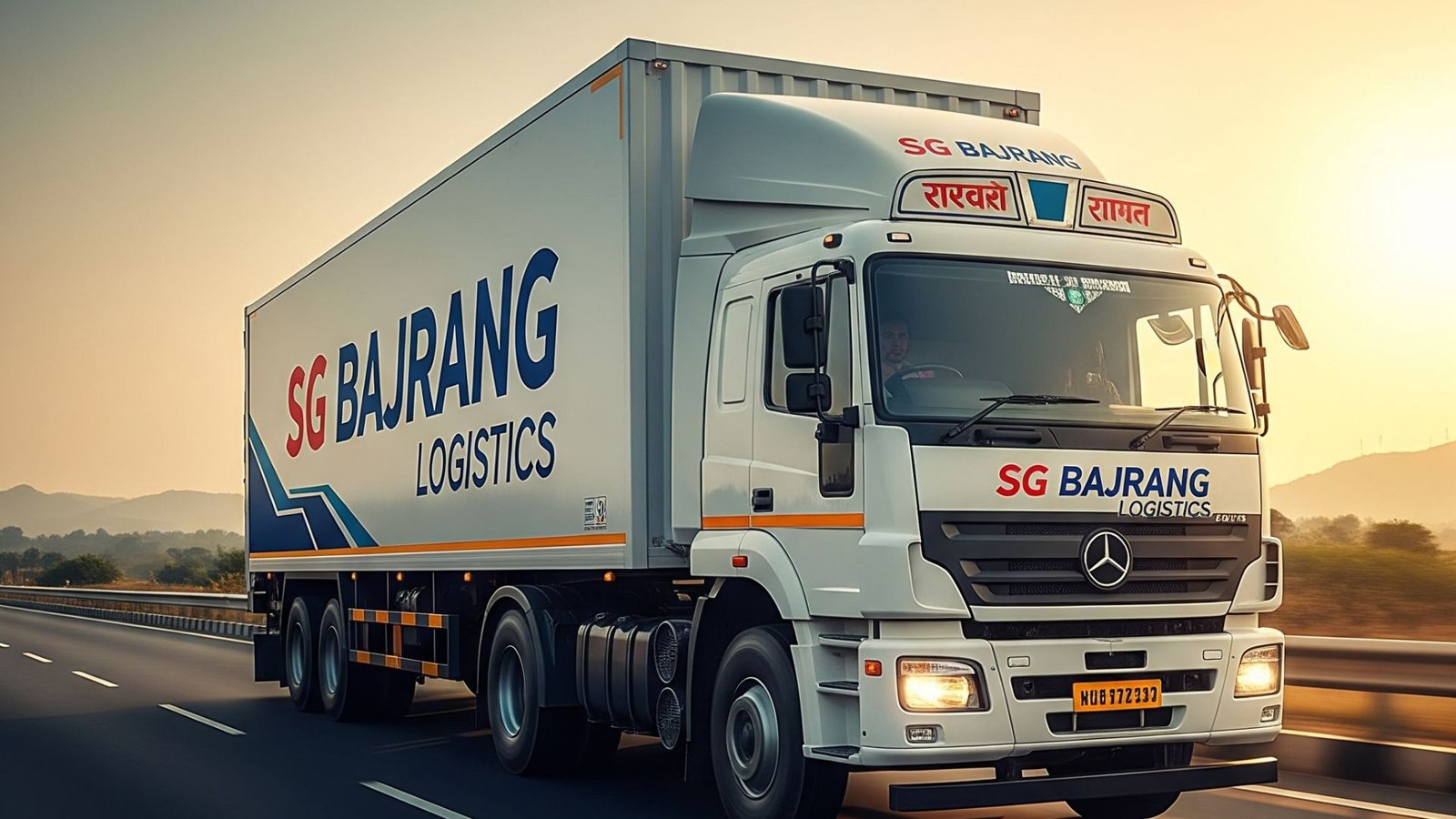
Transporting goods—whether for business or personal needs—requires more than just a truck. It demands reliable, cost-effective, and timely service. Navigating the complexities of truck transport in India requires industry expertise, and that’s where SG Bajrang Logistics stands out. With transparent pricing, real-time tracking, and a robust pan-India network, we simplify logistics from start to finish.
Why Choose SG Bajrang Logistics?
Transparent & Affordable Pricing
Truck transportation charges in India can be unpredictable, but not with us. At SG Bajrang Logistics, we offer competitive rates with complete transparency—no hidden costs, no last-minute surprises. Whether you need FTL (Full Truck Load) or PTL (Part Truck Load) services, we customize affordable solutions that fit your needs and budget.
On-Time Deliveries
Time is money—especially in logistics. With years of experience and a skilled team, SG Bajrang Logistics ensures on-time deliveries across India. We understand the urgency behind every shipment, whether it’s stock replenishment or a time-sensitive relocation.
Nationwide Coverage
Our extensive network connects major cities to remote locations with equal efficiency. No matter where you are or where your cargo needs to go, SG Bajrang Logistics has the right fleet and infrastructure to get it there safely.
Prioritized Safety & Security
We treat your goods like our own. Our modern fleet and trained drivers ensure safe, secure, and damage-free transportation—whether you’re shipping electronics, perishables, machinery, or household items.
Our Core Services
1. Full Truck Load (FTL) Services
Need an entire truck dedicated to your shipment? Our FTL services are ideal for large-volume goods, offering:
Faster delivery
Reduced handling
Lower cost per unit Perfect for: Heavy machinery, industrial goods, appliances.
2. Part Truck Load (PTL) Services
Got a smaller shipment? Save costs by sharing space with other customers. With PTL, you only pay for the space you use.
Cost-effective for SMEs & individuals
Daily service to major cities like Delhi, Mumbai, Bengaluru Ideal for: Loads under 5 tons.
3. Specialized Transport Solutions
From temperature-sensitive items to hazardous materials and oversized cargo, we provide customized trucks and trained personnel for safe transport.
4. Door-to-Door Delivery
No more dealing with multiple vendors. We manage everything—from pickup to final delivery—ensuring a seamless logistics experience.
How We Help You Optimize Truck Transport Costs in India
Clear, Upfront Pricing: Our rates cover fuel, tolls, permits, and service fees—so you’re never caught off guard.
Tech-Enabled Efficiency: Track your shipment in real-time via our mobile app, get alerts, and optimize routes to save time and fuel.
Pan-India Reach: With a fleet of 500+ trucks and strong regional partnerships, we ensure smooth deliveries to Tier 1, 2, and 3 cities.
24/7 Customer Support: Our dedicated team helps with documentation, claims, and special requirements—anytime you need.
Conclusion: Ship Smarter with SG Bajrang Logistics
Understanding truck transportation charges in India goes beyond price comparison. It’s about choosing a dependable logistics partner who brings clarity, speed, and cost efficiency to every shipment.
Whether you’re looking for economical PTL services or reliable FTL solutions, SG Bajrang Logistics delivers customized services to match your timeline and budget.
Ready to simplify your shipping? Get a free quote today and experience smart, stress-free logistics with SG Bajrang Logistics!
Let me know if you’d like this formatted into a webpage draft, PDF brochure, or social media copy!
FAQs: Forward vs. Reverse Logistics
Q1. What is forward logistics in simple terms? A: Forward logistics refers to the process of moving goods from the manufacturer or supplier to the final customer. It includes activities like production, packaging, warehousing, transportation, and delivery.
Q2. What is reverse logistics? A: Reverse logistics involves moving goods from the customer back to the seller or manufacturer. It includes returns, repairs, recycling, recalls, and proper disposal of products.
Q3. Why is reverse logistics important for businesses? A: Reverse logistics helps businesses recover value, improve customer satisfaction, ensure proper disposal of goods, and comply with environmental regulations. It also supports sustainability initiatives.
Q4. What are some examples of reverse logistics? A: Examples include:
Product returns due to damage or dissatisfaction
Recycling of used electronics or packaging
Repair and refurbishing of used products
Warranty claim handling
Reusable packaging retrieval
Q5. How do the goals of forward and reverse logistics differ? A:
Forward logistics: Focuses on delivering products efficiently and satisfying demand.
Reverse logistics: Aims to recover value, reduce waste, and handle post-sale processes like returns and repairs.
Q6. Which is more complex: forward or reverse logistics? A: Reverse logistics is often more complex due to variability in product condition, customer behavior, return reasons, and processing methods.
Q7. Can reverse logistics save money? A: Yes. Effective reverse logistics can reduce losses, enable asset recovery, lower waste disposal costs, and increase customer retention.
Q8. Do all companies need reverse logistics? A: Not all, but companies that sell physical goods—especially online retailers, electronics, automotive, and manufacturing sectors—benefit greatly from reverse logistics systems.
Transportation for Events in India: A Complete Guide
Transportation plays a crucial role in the success of any event in India, especially given the country’s complex traffic, diverse geographies, and large-scale guest movements. Coordinated, reliable, and safe transportation ensures guests arrive on time, vendors operate smoothly, and the entire event runs stress-free.
Why Is Transportation Important for Events?
Timely arrival of guests, VIPs, staff
Coordination of logistics and vendor goods
Guest comfort and brand experience
Traffic and parking management
Emergency preparedness
Types of Events That Need Transportation Services
Weddings
Guest shuttle buses
Bridal cars and luxury vehicles
Airport pickups for NRI guests
Corporate Events
Executive cars for speakers and CEOs
Staff transport for conferences and expos
Shuttle buses between venues and hotels
Exhibitions & Trade Shows
Logistics for booth materials
Transport for exhibitor teams
Bulk movement of AV, decor, and supplies
Concerts, Festivals & Public Gatherings
Public shuttle services
Parking-to-venue pickups
Equipment and crew movement
Political or Religious Events
Large-scale bus coordination
Police-escorted vehicle management
Crowd transport planning
Types of Vehicles Used in Event Transport
Sedans & SUVs – VIP guests and organizers
Luxury Cars (BMW, Audi, Jaguar) – High-end events
Mini Vans & Tempo Travellers – Small group transport
AC Coach Buses (20–50 seater) – Bulk guest movement
As someone who runs a growing business in Delhi, finding the right transport and logistics partner wasn’t just a task—it was a mission critical decision. After a few bad experiences with missed deliveries, lack of transparency, and hidden charges, I realized I needed a reliable, efficient, and tech-savvy logistics company that could actually support my business growth.
Here’s a personal guide based on everything I learned while searching for the right transport and logistics company in Delhi.
Step 1: Identifying My Needs First
Before diving into Google or asking around, I took a step back to assess my actual requirements. For me, it was:
Frequent deliveries of small-to-medium parcels.
Occasional need for full truckload (FTL) shipments.
Some temperature-sensitive products.
Quick deliveries across Delhi NCR and sometimes to nearby cities.
Tip: Write down what you need—volume, type of goods, delivery zones, and services like warehousing or tracking.
Step 2: Shortlisting Local Players with Experience
Next, I created a shortlist of Delhi-based companies by checking:
Google reviews (anything above 4.0 stars).
Listings on platforms like JustDial and IndiaMART.
Recommendations from local Facebook business groups.
I focused on companies with at least 3–5 years of experience in the logistics space. Those who had already worked with businesses like mine scored extra points.
Step 3: Evaluating Their Fleet & Tech
The right logistics partner in Delhi must be prepared for the city’s traffic, narrow lanes, and regulatory zones.
I asked questions like:
Are your vehicles GPS-enabled?
Do you offer live tracking and proof of delivery?
Can I get updates via WhatsApp or email?
One provider even gave me a demo of their Transport Management System (TMS), and that transparency impressed me right away.
Step 4: Cost Isn’t Everything—But It Matters
Delhi’s market is competitive, and prices vary a lot. Some quotes looked too good to be true—and they were.
I learned to:
Ask for full cost breakdowns.
Inquire about hidden charges (like fuel surcharge, waiting time, tolls).
Check if they offer volume discounts for regular shipments.
What helped me was comparing not just cost—but value for money.
Step 5: Verifying Documentation & Compliance
This step is often skipped, but it’s crucial.
I made sure the company had:
Valid permits and GST compliance.
Insurance for goods in transit.
Trained drivers with verified IDs.
Clear SOPs for loss or damage claims.
In a place like Delhi, where cross-border and regulatory checks are frequent, this made a big difference.
Step 6: Testing Their Support Team
I called their support line, messaged them on WhatsApp, and sent an email inquiry to test their response time.
What I found:
Some never replied (instant disqualification).
Some replied late with copy-paste answers.
The good ones replied fast, understood my needs, and followed up regularly.
Pro tip: Good logistics = good communication.
Step 7: Local Presence and Reach
The best companies had hubs in places like:
Okhla
Naraina
Bawana
Tughlakabad ICD
Dwarka & Rohini
These areas are well-connected to Delhi’s industrial corridors, which reduces delay and handling time.
Final Thoughts: What I Ultimately Chose
After multiple calls, emails, and a few test deliveries, I chose a mid-sized Delhi-based logistics company that offered:
Real-time tracking
Transparent billing
Dedicated account manager
Great local knowledge of Delhi NCR routes
They weren’t the cheapest—but they delivered value, speed, and peace of mind.
Key Takeaways:
Know your needs first
Check tech and fleet quality
Compare more than just price
Verify compliance and permits
Test customer service upfront
Prioritize local expertise in Delhi’s zones
Frequently Asked Questions (FAQ)
1. What should I look for in a transport and logistics company in Delhi?
Look for experience, GPS-enabled fleet, real-time tracking, transparent pricing, compliance with regulations, and responsive customer service.
2. Are local logistics companies better than national ones?
Not always. Local companies often have better knowledge of Delhi NCR traffic, routes, and regulations. However, national providers may offer wider coverage and advanced tech solutions.
3. How can I verify a logistics company’s credibility?
Check reviews on Google and JustDial, ask for client references, verify licenses (like GST and IBA approval), and request insurance proof for goods in transit.
4. What are hidden costs I should watch out for?
Common hidden costs include fuel surcharge, toll charges, waiting time, night delivery fees, and loading/unloading costs. Always request a full cost breakdown.
5. How important is technology in logistics services?
Very important. Companies using Transport Management Systems (TMS), live tracking, and automated alerts are more reliable and efficient in delivery management.
6. What types of transport services are available in Delhi?
Options include:
Full Truckload (FTL)
Less Than Truckload (LTL)
Express courier
Refrigerated transport
Containerized freight
Warehousing and last-mile delivery
7. Can small businesses afford professional logistics services in Delhi?
Yes. Many mid-sized logistics providers offer tailored plans and flexible pricing for startups, eCommerce sellers, and SMEs in Delhi.
8. How do I ensure safe delivery of fragile or valuable items?
Choose a provider with experience in handling sensitive goods, ask for insurance, use proper packaging, and track the shipment in real-time.
In the world of business, especially in manufacturing, retail, and e-commerce, freight charges play a crucial role in determining profitability, pricing strategies, and customer satisfaction. Yet, for many business owners, understanding freight charges feels like decoding a foreign language.
If you’re a business owner looking to demystify logistics costs and improve your shipping decisions, this complete guide to freight charges will walk you through everything—from definitions and pricing components to how you can reduce your freight bills.
What Are Freight Charges?
Freight charges refer to the cost incurred by a shipper (you, the business owner) to transport goods from one location to another. These charges are typically paid to a freight carrier or logistics service provider and can vary significantly based on shipment size, distance, mode of transport, and urgency.
Simply put:
Freight charge = the cost of moving goods from Point A to Point B.
Types of Freight Services (and How They Affect Cost)
Freight charges vary depending on the mode of transport you choose:
1. Road Freight
Common for domestic and regional deliveries.
Charges depend on truck type (LTL, FTL, container, open, etc.).
Priced per kilometer, per ton, or per vehicle.
2. Rail Freight
Cost-effective for heavy or bulk shipments over long distances.
Slower, but ideal for large B2B consignments.
3. Air Freight
Fastest, but most expensive.
Ideal for time-sensitive or high-value shipments.
4. Sea Freight
Suitable for international trade.
Cheapest per kilogram, but slower.
Involves port handling, customs duties, and container charges.
Components of Freight Charges
Understanding what’s included in a freight bill helps avoid surprises. Here’s what makes up the total cost:
Component
Description
Base Freight Cost
Charge for transporting goods based on distance and weight/volume.
Fuel Surcharge
Adjusted regularly based on fuel prices.
Loading/Unloading Fee
Charges for manual or mechanical handling.
Toll Charges
Applicable on highways, especially long-haul trips.
Insurance
Optional, but recommended for high-value cargo.
Warehousing Fee
Temporary storage costs if shipment is delayed or early.
Documentation Charges
Includes permits, e-way bills, or customs documents.
How Are Freight Charges Calculated?
Here are the major factors that determine the final price:
1. Weight and Volume
Higher weight or larger volume usually means higher cost.
Carriers may use volumetric weight: Volumetric weight = (Length x Width x Height) / Dimensional Factor
2. Distance
More kilometers = higher cost.
Some services have fixed slabs (e.g., 0–100 km, 100–500 km).
3. Mode of Transport
Truck → mid-range cost
Rail → economical
Air → premium
4. Type of Goods
Perishable or fragile items may need special handling.
Door-to-door, terminal-to-terminal, or warehouse pickup.
How to Reduce Freight Costs
Business owners often look for ways to cut costs without compromising delivery reliability. Here’s how:
Consolidate Shipments
Combine multiple small shipments into one to save on per-shipment costs.
Plan Ahead
Avoid last-minute shipping which often leads to premium express charges.
Negotiate Rates
If you ship regularly, build long-term relationships with transporters or logistics platforms to get better pricing.
Use a Freight Broker or Digital Platform
Modern digital freight marketplaces offer competitive pricing, live tracking, and reduced paperwork.
Audit Your Freight Bills
Check for errors or duplicate charges. Many businesses overpay simply due to billing inaccuracies.
Why Freight Charges Matter for Business Owners
Freight charges impact more than just logistics—they influence:
Product Pricing: Higher transport cost = higher product price.
Profit Margins: Smart freight decisions can protect your bottom line.
Customer Experience: Timely and affordable shipping builds customer loyalty.
Inventory Planning: Costly freight leads to delayed replenishment.
Example: Calculating Freight for a Delhi to Mumbai Shipment
Let’s say you’re shipping 2 tons of packaged goods from Delhi to Mumbai via road FTL.
Factor
Example Value
Distance
~1,450 km
Weight
2 tons
Rate per Ton/km
₹3.50
Fuel Surcharge (10%)
₹1,015
Loading/Unloading
₹500
Total Freight Cost = ₹2 x 1450 x 3.5 + 10% Fuel + ₹500 = ₹11,650 (approx.)
Key Takeaways
Freight charges are essential to your supply chain cost structure.
Know what’s included in your shipping bill to avoid hidden costs.
Choosing the right transport mode and partner makes a big difference.
Use technology and negotiate regularly to keep logistics affordable.
Need Help Managing Freight?
Whether you’re a startup shipping your first consignment or a seasoned manufacturer looking to optimize logistics costs, our freight management experts are here to help.
Reach out for a free consultation for real-time freight quotes.
Transporting goods from Delhi to Mumbai, two of India’s largest commercial hubs, requires a logistics service that is not just fast but also reliable and secure. Whether it’s industrial equipment, FMCG products, retail shipments, or fragile cargo, finding a dependable Delhi to Mumbai transport service is key to maintaining business continuity and customer satisfaction.
In this article, we’ll explore the importance of this route, types of transport services available, benefits, and how to choose the right provider for your needs.
Importance of the Delhi to Mumbai Transport Route
The Delhi–Mumbai corridor is one of the busiest and most economically significant freight routes in India. Stretching over 1,400 km, it connects the National Capital Region (NCR) with India’s financial capital.
This route is critical for:
Interstate trade between North and West India
E-commerce deliveries from Delhi-based warehouses to Mumbai consumers
Supply chain movement for retail, pharma, and automotive industries
Industrial cargo movement between Delhi NCR, Rajasthan, Gujarat, and Maharashtra
The upcoming Delhi-Mumbai Industrial Corridor (DMIC) further amplifies the need for efficient logistics services along this route.
Types of Delhi to Mumbai Transport Services
Transport services vary depending on the type, volume, urgency, and nature of your cargo. Here are the most common options:
1. Full Truckload (FTL)
Best for bulk shipments or single consignments.
Dedicated truck ensures faster delivery and reduced risk of damage.
Ideal for manufacturers, exporters, and large wholesalers.
2. Part Truckload (PTL) or Less-than-Truckload (LTL)
Cost-effective for smaller shipments.
Share truck space with other consignments.
Suitable for e-commerce businesses and SMEs.
3. Containerized Transport
Closed containers ensure protection from dust, rain, and tampering.
Used for fragile, high-value, or temperature-sensitive goods.
4. Refrigerated Transport
Temperature-controlled vehicles for perishable goods like food, medicine, or chemicals.
5. Express Transport
For time-critical deliveries with guaranteed faster transit times.
Key Features of a Good Delhi to Mumbai Transport Service
When choosing a logistics partner for this high-traffic route, ensure they offer:
🔹 PAN India Network
With hubs in both Delhi NCR (Okhla, Narela, Bawana, Gurgaon, Noida) and Mumbai (Bhiwandi, Navi Mumbai, Thane), a wide presence ensures better pickup and delivery coordination.
🔹 Fleet Versatility
From Tata Ace for light cargo to 32 ft multi-axle trucks for industrial shipments, a diverse fleet allows better service options.
🔹 Real-Time GPS Tracking
Technology-enabled tracking keeps you informed and helps avoid delays or route deviations.
🔹 Safe & Secure Delivery
Professionally trained drivers, sealed containers, and insurance-backed services safeguard your cargo.
🔹 Competitive Pricing
Look for providers offering route-optimized pricing without hidden charges.
🔹 On-Time Performance
With congested roads and tolls en route, providers that guarantee on-time delivery offer a clear edge.
Major Industries Served on This Route
Delhi and Mumbai serve as gateways to multiple industries:
Automobile & Engineering
E-commerce & Retail
Pharmaceuticals
Textile & Apparel
Electronics
Construction Materials
FMCG (Fast-Moving Consumer Goods)
A reliable transport service ensures raw material or finished goods reach their destination without delays.
Estimated Transit Time
Service Type
Estimated Delivery Time
Express FTL
2–3 Days
Standard FTL
3–5 Days
PTL / LTL
4–6 Days
Container Transport
3–5 Days
Note: Delivery time can vary based on road conditions, weather, and seasonal demand.
How to Book a Delhi to Mumbai Transport Service
Booking professional transport is easier than ever:
Contact via Website / App – Get a quote in minutes.
Choose Vehicle Type – Based on your cargo and budget.
Schedule Pickup – From any location in Delhi NCR.
Track Shipment – With real-time GPS tracking.
Delivery & POD – Proof of delivery and e-invoicing upon completion.
Many providers also offer door-to-door services, return load options, and dedicated support.
Why Choose Us for Delhi to Mumbai Transport?
As an experienced player in the logistics space, we bring you:
Wide fleet options (open, container, trailers)
100% verified drivers
Dedicated account managers
24/7 support
Affordable rates with transparent billing
Insurance & POD with every shipment
Whether you’re shipping a small parcel or an entire truckload, we ensure it reaches Mumbai from Delhi safely and on time.
Final Words
The Delhi to Mumbai corridor is more than just a transport route—it’s a lifeline for businesses across India. Choosing the right transport service means fewer delays, better profits, and a stronger supply chain.
If you’re looking for safe, fast, and efficient logistics services from Delhi to Mumbai, let us be your trusted partner.
“Connecting Every Mile for Smarter, Seamless Delivery”
A few years ago, when I first heard the term end-to-end logistics, I thought it was just another supply chain buzzword. But after working with businesses juggling fragmented transport, warehousing, and delivery partners, I realized something: end-to-end logistics isn’t just a convenience—it’s a game changer.
Let’s break down what it really means and why it matters now more than ever.
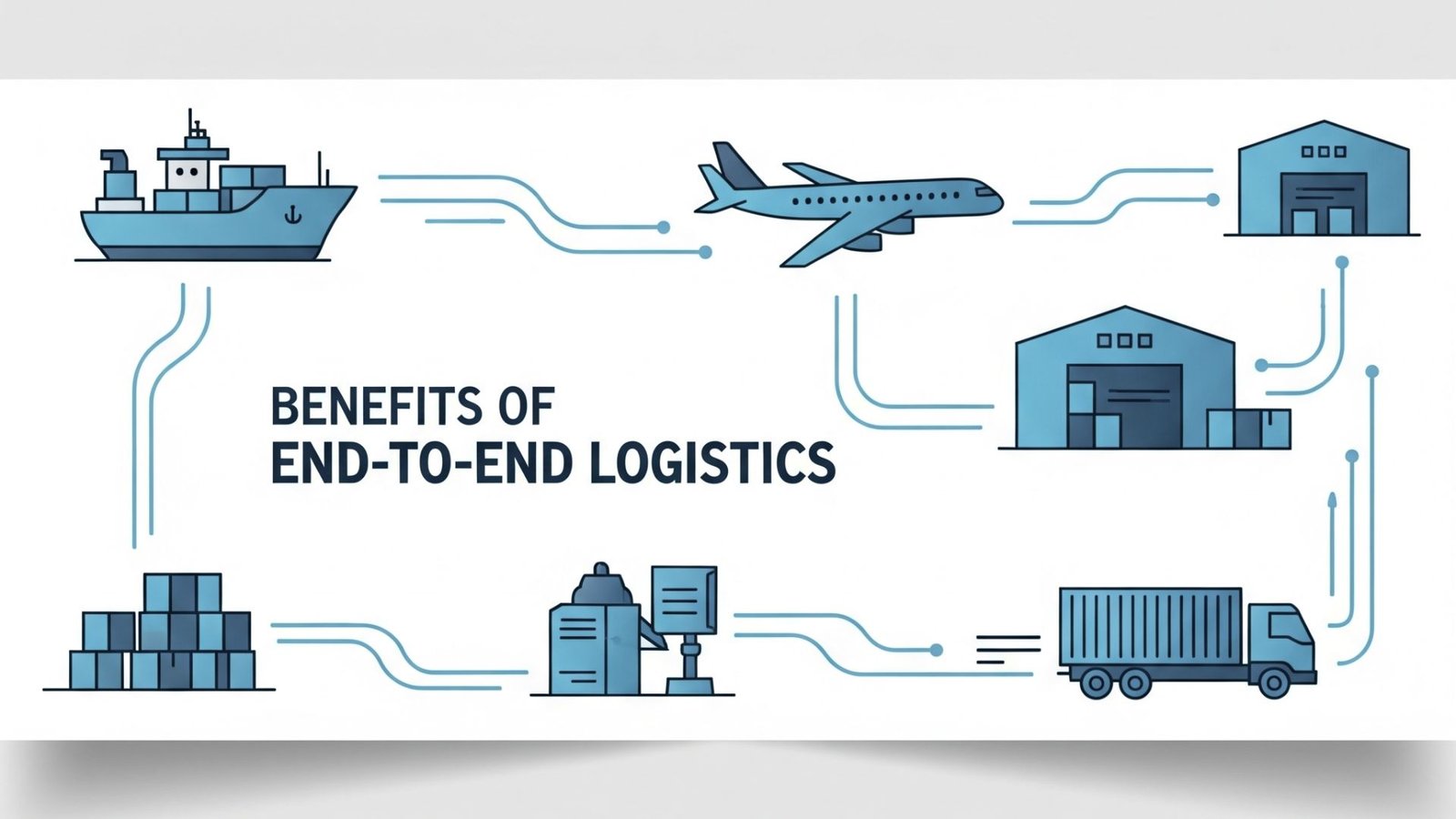
📦 What Is End-to-End Logistics?
In simple terms, end-to-end logistics refers to a fully integrated logistics solution where a single provider manages everything—from the point of origin to the final destination. This includes:
Procurement
Transportation
Warehousing
Order processing
Distribution
Last-mile delivery
Returns and reverse logistics
It’s like having one reliable hand steering your supply chain from start to finish—no handovers, no blame games, no confusion.
✅ 10 Key Benefits of End-to-End Logistics
1. Better Visibility and Tracking
When everything is handled under one umbrella, you get real-time updates across the entire chain. From inventory to truck locations, you see what’s happening, when it’s happening.
No more calling three vendors to figure out where a shipment is stuck.
2. Faster Delivery Times
With fewer handovers and better coordination, the movement of goods becomes smoother. This leads to reduced transit times—especially critical in industries like FMCG, pharma, or e-commerce.
3. Cost Efficiency
Managing logistics through multiple vendors can create hidden costs—delays, storage issues, idle trucks. End-to-end logistics streamlines operations, reducing redundancies and often cutting down costs significantly.
4. Simplified Communication
One partner = One point of contact. That means no juggling between transporter A, warehouse B, and last-mile partner C. It’s simpler, faster, and far less stressful.
5. Improved Customer Experience
Customers get quicker deliveries, better tracking, and easier returns. That boosts brand trust and repeat business—especially important in e-commerce and D2C sectors.
6. Data-Driven Decisions
End-to-end logistics providers often offer analytics dashboards—so you can study delays, peak order times, warehouse movements, and optimize accordingly.
More data = smarter logistics = more profit.
7. Scalability
As your business grows, it’s easier to scale operations when everything is already integrated. You can add new geographies or product lines without needing to reinvent the wheel.
8. Enhanced Risk Management
End-to-end visibility means you can detect issues—like delivery bottlenecks or warehouse shortages—before they snowball into full-blown crises.
9. Custom Solutions
You’re not forced to fit into a vendor’s rigid model. Most full-stack logistics partners offer tailored solutions based on your industry, geography, and customer needs.
10. Sustainability Tracking
Integrated logistics systems can help track emissions, fuel usage, and optimize greener routes—essential for companies focusing on ESG goals.
🏁 Final Thoughts
I’ve seen companies move from fragmented logistics setups to end-to-end systems, and the difference is night and day. They become more agile, more reliable, and more profitable—and most importantly, less reactive and more strategic.In today’s fast-moving world, logistics isn’t just about moving goods. It’s about delivering experience, speed, and trust—and end-to-end logistics helps you deliver all three.
A few years ago, I thought the idea of “green trucking” was more of a PR move than a real-world shift. Diesel ruled the roads, and fuel efficiency was about squeezing a few more kilometers per litre—not changing the entire fuel source.
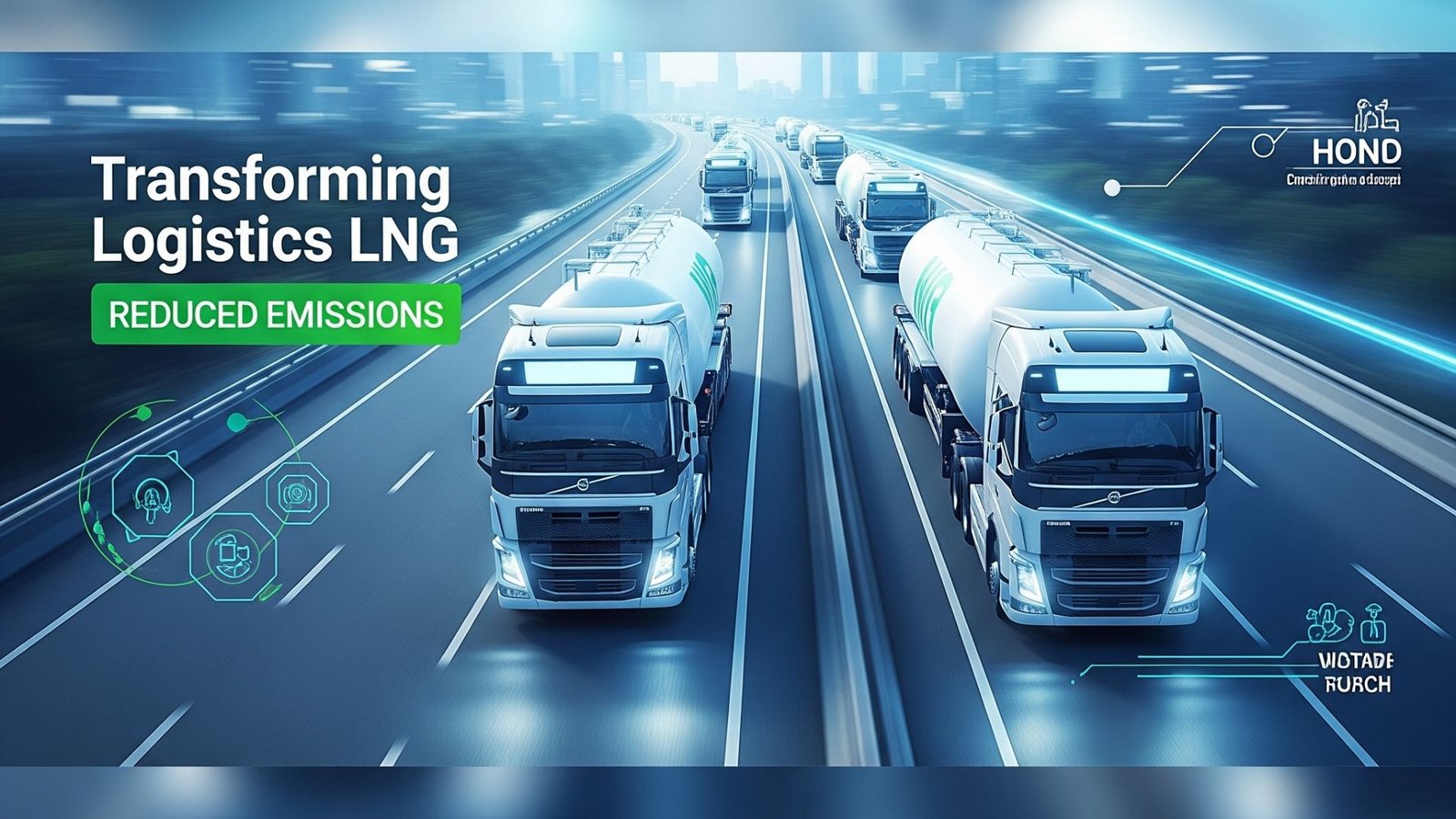
But then I saw my first LNG-powered truck roll out of a logistics hub—and it wasn’t just quiet, it was clean, smooth, and… impressive. That’s when I realized: we’re witnessing a green revolution on wheels, and Liquefied Natural Gas (LNG) trucks are at the heart of it.
What Are LNG Trucks Really?
LNG trucks run on Liquefied Natural Gas, a cleaner-burning alternative to diesel. LNG is basically natural gas cooled to -162°C until it becomes a liquid—making it denser, more energy-packed, and perfect for long-haul transportation.
Why it matters:
Up to 25% lower CO₂ emissions than diesel
Near-zero particulate matter
Lower nitrogen oxide (NOx) emissions
Quieter engines — a huge benefit for night deliveries and urban routes
Why Logistics Needs LNG Now More Than Ever
The logistics industry is under pressure—from both regulators and customers—to reduce its environmental impact. But it’s not just about compliance anymore. It’s about staying competitive.
Tightening emission norms → Especially in Europe and India
Brand image → Green fleets = better partnerships and customer trust
Sustainability goals → ESG reporting is becoming standard
In many ways, switching to LNG isn’t just an environmental decision—it’s a business decision.
Real-World Adoption: It’s Happening
LNG trucking isn’t just an idea in a pitch deck. It’s happening on real roads with real fleets.
Companies like Tata Motors, Ashok Leyland, and Blue Energy Motors are rolling out LNG trucks across India.
Logistics leaders such as Adani, GreenLine Logistics, and Reliance are investing in LNG corridors.
Even public sector oil companies are building LNG refueling stations along major freight routes.
In Europe and China, LNG trucks already make up a growing chunk of the logistics mix—and India is catching up fast.
Benefits I’ve Seen Firsthand
I recently spoke to a fleet manager who made the switch to LNG trucks on a trial basis. His insights were fascinating:
“Initially, we thought LNG would be expensive and hard to manage. But after a few months, we saw fuel cost savings and fewer maintenance issues. Drivers actually prefer LNG trucks now—they’re quieter and smoother.”
Some real benefits he mentioned:
Lower operating costs over time
Longer engine life due to cleaner combustion
Improved driver satisfaction
Easier compliance with future emission norms
Challenges on the Road
Of course, every revolution has its bumps. LNG adoption isn’t without hurdles:
Infrastructure – Refueling stations are still limited (but growing fast)
Upfront vehicle cost – LNG trucks are more expensive than diesel models initially
Training – Drivers and mechanics need to learn new systems
Supply chain dependency – LNG supply chains are still developing in some regions
But the momentum is clearly building—and governments are stepping in with subsidies, tax benefits, and policy support.
The Road Ahead: Greener and Smarter
Imagine this: a major highway lined with LNG refueling stations, connected by smart route-planning software, with fleets that report their carbon savings in real-time dashboards.
That’s not a pipe dream anymore. It’s a real trajectory.
And in a world where every business wants to prove its sustainability credentials, LNG trucks are not just a trend—they’re a strategic move.
Final Thoughts: Drive Clean, Drive Smart
I used to think going green in logistics meant sacrificing performance or profits. But LNG trucks are proving otherwise—they’re efficient, reliable, and they make real environmental sense.
The Green Revolution on Wheels is gaining speed, and if you’re in the logistics space—this is the moment to rethink your fleet strategy.
Whether you’re managing 5 trucks or 500, LNG could be your next competitive edge.
I’ve been watching the trucking industry evolve for years—and let me tell you, it’s no longer just about diesel engines and long-haul routes. What once felt like a traditional, slow-moving sector is now riding the waves of technology, automation, and sustainability like never before.
In this post, I want to walk you through the key trends shaping the future of trucking, based on what I’ve seen, read, and experienced working with logistics clients and following this fascinating industry closely.
1. Telematics and Fleet Digitization
I remember when fleet management was done with paper logs, Excel sheets, and a whole lot of guesswork. Not anymore.
Modern fleets are becoming data-driven, using GPS tracking, telematics, and IoT sensors to monitor:
Vehicle health
Fuel consumption
Driver behavior
Route efficiency
This not only reduces downtime and costs but also gives managers real-time visibility into operations. It’s like flying with radar instead of going blind.
2. Electrification of Trucks
When I first heard about electric trucks, I was skeptical. Would they have enough range? What about charging?
But now, with companies like Tesla, Volvo, and Daimler rolling out electric rigs—and countries pushing for emissions targets—EVs are clearly part of the trucking future.
Expect to see:
Local and regional electric deliveries
Government subsidies for clean fleets
Charging infrastructure becoming more common along major routes
It’s not “if” anymore—it’s how fast.
3. Autonomous Trucking
Autonomous trucks used to sound like science fiction. Now, I regularly come across pilot programs where driverless trucks are already hauling freight (with supervision, for now).
Companies like TuSimple, Aurora, and Waymo are testing these vehicles for highway driving.
We’re not at full automation yet, but we might soon see:
Trucks driving long highway segments autonomously
Human drivers managing city navigation and loading
Reduced fatigue and fewer accidents
And yes, it’ll change jobs—but I believe it’ll create new ones too, in tech, fleet supervision, and remote operations.
4. E-commerce and Last-Mile Logistics
E-commerce is booming, and that puts massive pressure on trucking and delivery systems. I’ve seen the demand for faster, more flexible delivery options skyrocket.
In response, companies are:
Creating micro-fulfillment centers closer to cities
Using smaller vehicles for last-mile deliveries
Investing in route optimization software to save time and fuel
The challenge now is speed without sacrificing profitability.
5. Sustainability and Green Logistics
Environmental concerns aren’t just for policymakers anymore. Logistics companies are under pressure—from clients and governments—to cut emissions and show responsibility.
We’re seeing:
Carbon tracking dashboards built into fleet software
Alternative fuels like hydrogen and biodiesel being tested
Eco-driving training for drivers to reduce emissions
In the next decade, sustainability could be a competitive advantage, not just a compliance checkbox.
6. AI and Predictive Analytics
One of the most exciting shifts I’ve noticed? The use of AI to predict and prevent problems.
With the help of machine learning, companies can:
Forecast demand and plan deliveries accordingly
Predict maintenance issues before a breakdown happens
Optimize fuel usage and route planning
And the best part? These systems get smarter the more they’re used.
7. Driver Shortages and Workforce Changes
It’s no secret: the trucking industry has been dealing with driver shortages for years. The job is tough, long hours are common, and younger generations aren’t as eager to jump behind the wheel.
To stay ahead, companies are:
Improving driver benefits and work conditions
Investing in driver-assist technologies to reduce fatigue
Offering training for tech skills (yes, today’s drivers use tablets, apps, and more)
There’s also a growing shift toward upskilling logistics workers to handle software and AI-driven tools.
Final Thoughts: The Road Ahead
The trucking industry of tomorrow will be faster, smarter, cleaner, and more connected. Whether you’re a fleet owner, a logistics professional, or just curious about what’s happening on our highways, these changes are exciting—and they’re already underway.
The trucks may still look the same from the outside, but under the hood (literally and figuratively), they’re transforming fast.
And if you’re in the industry? Now’s the time to adapt, innovate, and buckle up for the ride.
Let’s be honest—finding reliable truck transport services in India can feel like trying to find a needle in a haystack. I’ve been through it all—late deliveries, damaged goods, rude drivers, hidden charges—you name it. But after years of trial and error, I’ve learned what separates the okay transporters from the truly top-notch ones.
So if you’re a business owner, a supplier, or someone just trying to move goods from one city to another, this guide is for you. Let’s talk about how to find the best truck transport services in India—the kind that gets your goods where they need to be, safely and on time.
1. Start With What You Need
Before you even start Googling, take a moment to understand your own requirements:
Are you transporting full truckloads (FTL) or partial loads (LTL)?
Do you need temperature-controlled trucks?
Is it a one-time shipment or a recurring need?
Are you covering short distances (intra-city) or going all-India?
Knowing this will help you narrow down your options and avoid wasting time on providers that don’t fit.
2. Look for a Proven Track Record
In my experience, reputation means everything in transport. Look for companies that:
Have been around for a few years
Have solid reviews on Google or Justdial
Serve major routes across India
Offer customer support you can actually reach
A quick background check can save you a lot of headaches later.
3. Check for GPS Tracking & Real-Time Updates
The best trucking services these days offer GPS-enabled tracking. If a company still relies on manual updates or makes you keep calling for status, that’s a red flag.
Real-time updates give you peace of mind and help you plan better. Bonus points if they have a customer portal or app.
4. Ask About Insurance and Documentation
Let’s talk about the scary part—what if something goes wrong?
Good transporters will always offer transit insurance and proper documentation (LR, e-way bill compliance, etc.). If they hesitate to discuss this or push it off as “not needed,” walk away. Better safe than sorry.
5. Don’t Just Go for the Cheapest
I used to make this mistake a lot—choosing the lowest quote to save money. But you know what? Cheap often comes with hidden costs: late deliveries, poor handling, unprofessional drivers.
Instead, go for value over price. Ask what’s included, what kind of trucks they use, and whether they have a support team if things go wrong.
6. Look for Custom Solutions
One thing I love about top-quality transporters—they listen. Whether it’s scheduling deliveries at a specific time, needing extra manpower for loading/unloading, or handling fragile items, they work with you, not just for you.
If a company sounds too rigid or avoids custom requests, they’re not the one.
7. Verify Their Network Coverage
India is vast—and so are its logistics challenges. Make sure the company:
Has a strong network across cities and states
Can handle remote or rural deliveries if needed
Offers return logistics or reverse shipping (if that’s part of your flow)
A company with true all-India reach is always a safer bet.
8. Pay Attention to Their Fleet Quality
Have you ever had your goods arrive in a dirty, half-broken truck? I have. Never again.
Ask about the types and conditions of their trucks—whether they use container trucks, open-body, trailers, or refrigerated units. Well-maintained trucks = fewer breakdowns = on-time delivery.
9. Check If They Offer Value-Added Services
Some of the better providers also offer:
Warehousing
Loading/unloading labor
Packaging
Last-mile delivery
If you’re managing a complex logistics chain, these extra services can simplify things big time.
10. Always Get a Written Quote and Terms
No matter how friendly the transporter sounds, get everything in writing—cost, timelines, insurance, penalties, loading/unloading responsibilities.
It protects both you and them, and it avoids the classic Indian excuse: “Woh toh bola hi nahi tha sir.”
My Personal Go-To: What I Look For in a Great Transporter
After years of hit and miss, I now have a checklist I use:
And trust me, when you find a provider that checks all these boxes—you stick with them. It’s like finding a good mechanic or barber.
Final Thoughts
India’s trucking industry is huge, but not all truck transport services are created equal. It’s worth taking the time to vet your options, build relationships with reliable partners, and invest in quality over quick savings.
Whether you’re shipping between Delhi and Mumbai or sending goods to the far corners of the Northeast, the right trucking partner can be the backbone of your supply chain.
I hope this helps you find one that’s truly top-notch. Safe shipping