Blog

  • Goods Transport from Delhi to Ahmedabad

    Goods Transport from Delhi to Ahmedabad

    The bustling industrial and commercial hubs of Delhi and Ahmedabad are intrinsically linked by a robust network of trade and commerce. For businesses and individuals alike, the efficient movement of goods between these two major cities is paramount. This blog post delves into the intricacies of Delhi to Ahmedabad goods transport, covering everything from available options and key factors to consider, to common challenges and how to overcome them.

    The Lifeline: Understanding the Delhi-Ahmedabad Route

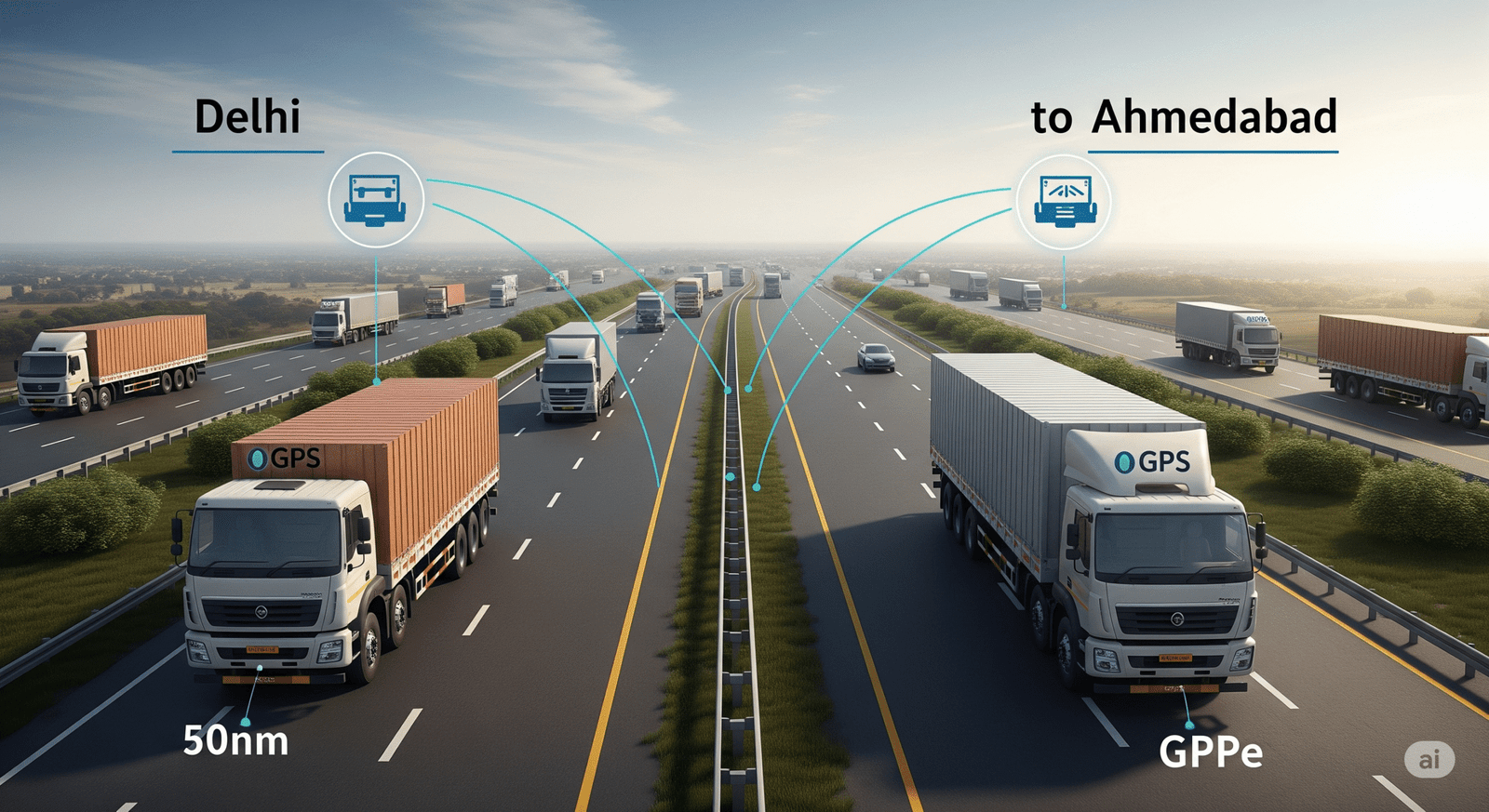
    The approximate distance between Delhi and Ahmedabad by road is around 940-950 kilometers, typically taking 3 to 5 days for goods transport via surface. This route is a critical artery for the supply chain, facilitating the movement of a wide array of products, from industrial machinery and construction materials to textiles, electronics, FMCG, and even personal belongings.

    Modes of Transport: Choosing Your Ride

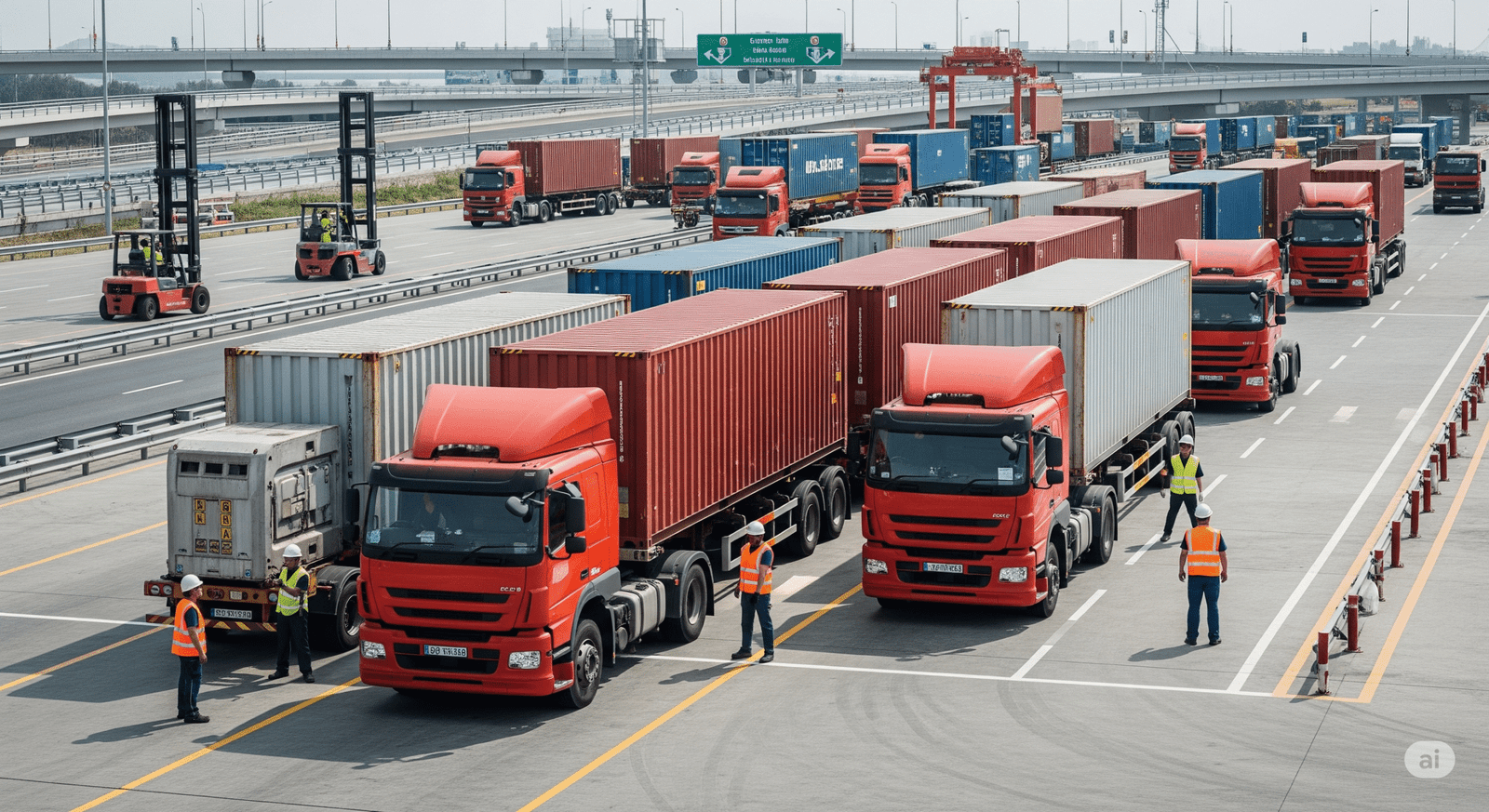
    While air cargo offers the fastest delivery (as little as 3 days for urgent needs), road transport remains the most dominant and cost-effective mode for moving goods between Delhi and Ahmedabad. Within road transport, you have two primary options:

    1. Full Truck Load (FTL):
      • What it is: Your goods occupy the entire truck or container.
      • Best for: Large volume shipments, heavy machinery, high-value goods, or when you need dedicated transport and faster transit times.
      • Benefits: Faster transit as there are no intermediate stops, reduced risk of damage or loss due to minimal handling, and greater flexibility in scheduling.
      • Cost: Generally more expensive on a per-unit basis as you bear the entire cost of the truck.
    2. Less Than Truck Load (LTL) / Part Load:
      • What it is: Your goods share space in a truck with consignments from other shippers.
      • Best for: Smaller shipments that don’t require an entire truck, or when cost-effectiveness is a higher priority than speed.
      • Benefits: Highly cost-effective as shipping costs are divided among multiple shippers, and increased flexibility for smaller, more frequent shipments.
      • Cost: Cheaper on a per-unit basis but may involve slightly longer transit times due to multiple pickups and deliveries.

    Other Specialized Transport Options:

    • Container Trucks: Ideal for sealed, weatherproof shipping of sensitive goods like electronics or furniture.
    • Trailers/Tankers: Used for bulk cargo such as liquids or industrial goods.
    • Small Pickup Trucks (e.g., Tata Ace, Tata 407): Suitable for very small loads or LTL consignments, especially for last-mile delivery.
    • Refrigerated Trucks: Essential for perishable goods like fruits, vegetables, pharmaceuticals, where temperature control is crucial.

    Factors Influencing Transport Costs and Time

    Several variables determine the final cost and transit time for your Delhi to Ahmedabad shipment:

    • Type of Goods: Fragile, perishable, hazardous, or oversized goods may incur higher charges due to specialized handling and equipment.
    • Weight and Volume: The total weight and cubic volume of your consignment directly impact the required truck size and thus the cost.
    • Truck Type: Different truck types (e.g., 14ft, 17ft, 19ft, 32ft single/multi-axle, open, container) have varying capacities and associated costs.
    • Fuel Prices: Fluctuations in fuel prices directly affect freight rates.
    • Toll Charges and State Taxes: These are significant components of the overall cost along the route (e.g., approximate tolls can be around ₹3,690).
    • Seasonality: Peak seasons (e.g., festivals like Diwali, year-end) can lead to higher demand and increased rates.
    • Additional Services: Loading/unloading, packaging, insurance, warehousing, and door-to-door delivery will add to the total cost.
    • Urgency: Express delivery options will naturally be more expensive.

    Indicative Freight Rates (as of early 2025 – subject to change):

    • Part Load (LTL): Starting from ₹1.6 – ₹4 per kg or around ₹1500 – ₹3500 per ton.
    • Full Truck Load (FTL):
      • 16 Ton Truck: ₹7,550 – ₹12,580
      • Eicher 19ft: ₹9,600 – ₹14,540
      • 32 feet multi-axle: ₹12,570 – ₹15,560
      • 32 feet – 7 Ton: ₹14,550 – ₹17,490
      • Larger trucks (22-40ft containers/trailers) can range from ₹26,000 to ₹70,000+.

    (Please note: These are indicative ranges. Always obtain direct quotes from transport providers for accurate pricing for your specific consignment.)

    Key Challenges in Delhi to Ahmedabad Goods Transport

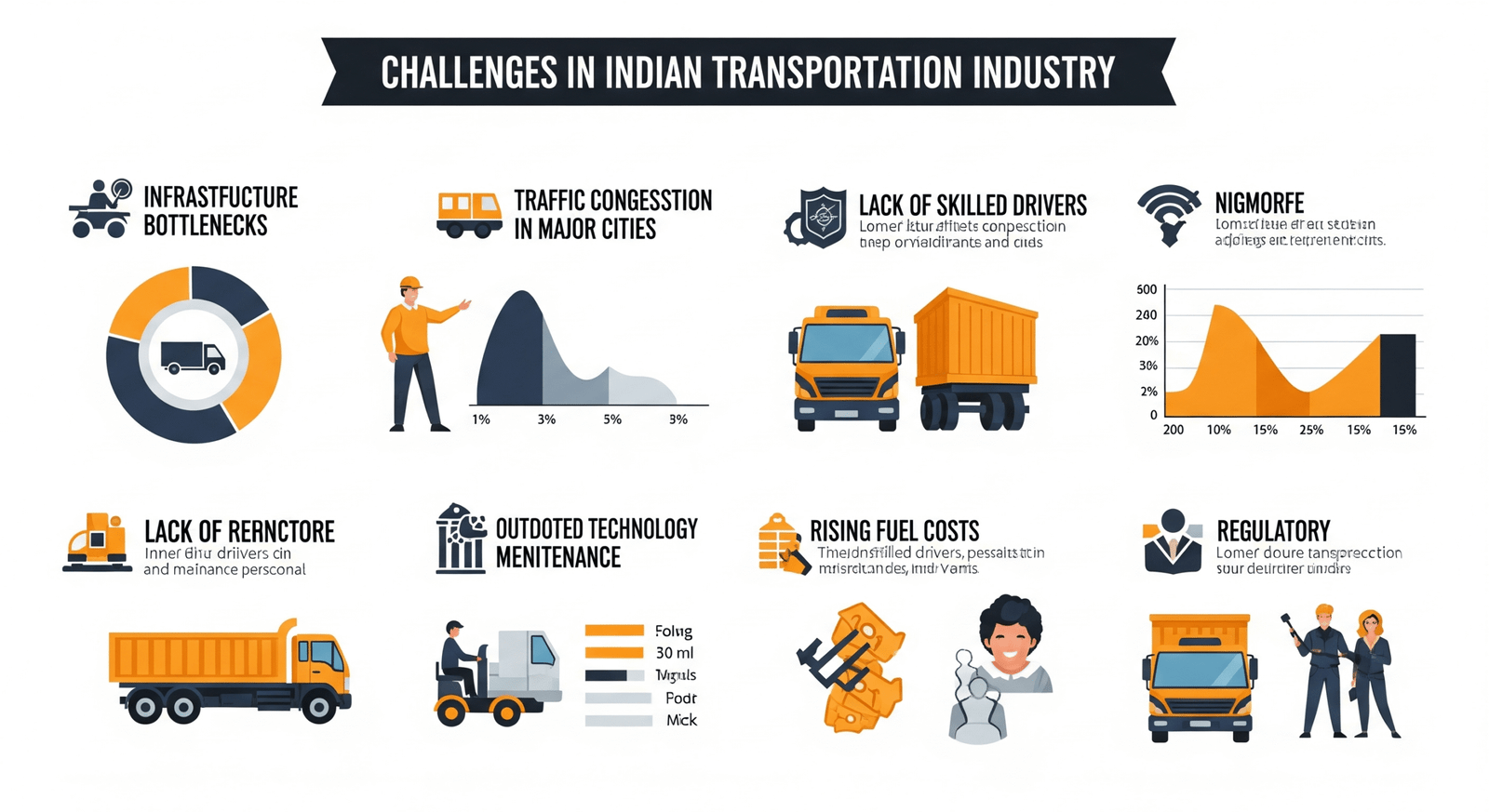
    Despite advancements, the Indian transportation industry, including the Delhi-Ahmedabad corridor, faces certain challenges:

    • Cargo Theft: Especially from open trucks, this remains a concern. Solutions include planning daytime shipments and ensuring secure locking mechanisms.
    • Truck Accidents: Overloading and poor vehicle maintenance are contributing factors. Reputable transporters prioritize well-maintained fleets and trained drivers.
    • Truck Scams: Fake brokers or “dummy broker” tactics can lead to financial losses or undelivered goods. Always verify credentials, use online booking platforms, and insist on written agreements.
    • Truck Availability: During peak seasons, securing trucks can be challenging. Advance planning and strong relationships with transporters are key.
    • Road Infrastructure: While major highways are improving, some stretches or interior routes might still have less than ideal road conditions, potentially causing delays.
    • Fuel Price Volatility: Fluctuating fuel costs can impact freight rates unexpectedly.
    • Unexpected Delays: Weather conditions, road blockages, and checkpost procedures can sometimes lead to unforeseen delays.

    Finding a Reliable Transport Partner

    Choosing the right transporter is crucial for a smooth and efficient experience. Here’s how to find a trusted partner:

    1. Define Your Needs: Be clear about the type of goods, volume, urgency, and any specific handling requirements.
    2. Research Reputable Companies: Look for companies with strong online presence, positive reviews, and a track record of reliability. Companies like TruckGuru, Trukky, Porter, SG Bajrang Logistics, Gati, Trackon Express, and many others listed on platforms like Justdial and IndiaMART, offer services on this route.
    3. Check Credentials: Verify licenses, insurance, and GSTIN.
    4. Compare Quotes: Obtain multiple quotes to compare prices, services included (loading, unloading, insurance, tracking), and terms.
    5. Inquire About Tracking: Real-time GPS tracking offers peace of mind and better visibility of your shipment.
    6. Understand Payment Terms: Clarify payment options (cash, bank transfer, online payments) and any advance payment requirements.
    7. Read Reviews and Testimonials: Pay attention to feedback regarding timely delivery, careful handling, and customer service.
    8. Ask About Damage/Delay Policies: Understand their procedures and compensation policies in case of unforeseen events.

    Conclusion

    Transporting goods from Delhi to Ahmedabad is a vital part of India’s commercial landscape. By understanding the available transport options, the factors influencing costs and transit times, and the potential challenges, businesses and individuals can make informed decisions. Partnering with a reliable and transparent logistics provider, leveraging technology for tracking, and planning shipments effectively will ensure a seamless and efficient journey for your goods between these two dynamic cities.
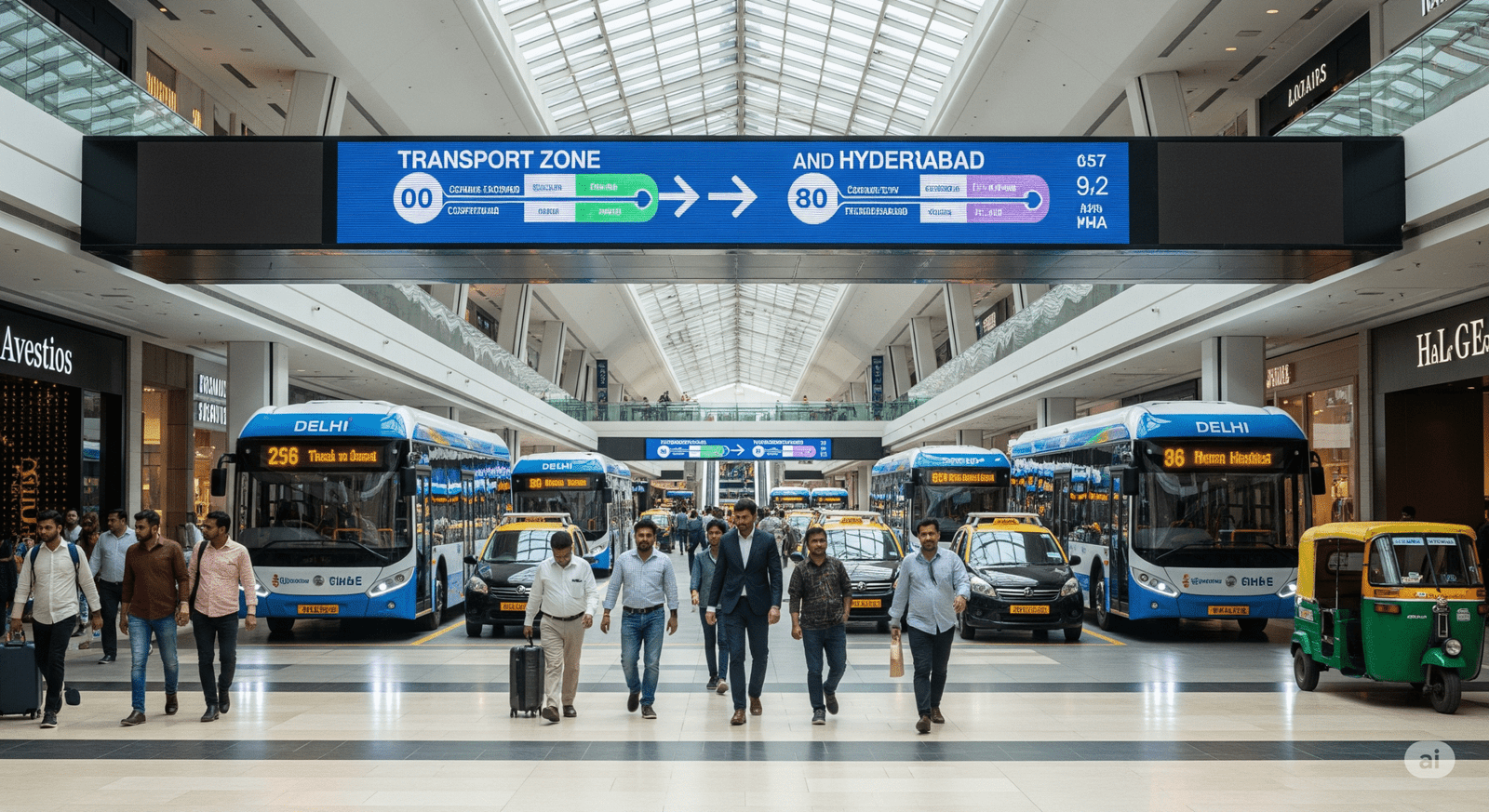
  • Delhi to Hyderabad Transport: The Ultimate Shipping Guide

    Delhi to Hyderabad Transport: The Ultimate Shipping Guide

    Transporting goods between Delhi and Hyderabad is a critical supply chain route for businesses and individuals. Whether you’re moving industrial equipment, retail merchandise, or personal belongings, selecting the right transport method ensures secure, timely, and cost-efficient delivery.

    This comprehensive guide covers:

    ✔ Best transport modes (Road, Rail, Air)
    ✔ Cost comparison (FTL, LTL, express)
    ✔ Transit duration & optimal routes
    ✔ Online booking procedures
    ✔ Safety & tracking solutions


    1. Why Choose Delhi-Hyderabad Transport?

    Hyderabad’s growing prominence as a pharma hub and IT center makes this route essential for:

    ✅ Manufacturers & distributors
    ✅ E-commerce businesses
    ✅ Household relocations
    ✅ Temperature-sensitive goods


    2. Transport Options from Delhi to Hyderabad

    A. Road Transport (Most Economical for Bulk)

    • Ideal for: Heavy machinery, large consignments
    • Variants:
      • FTL (Full Truck Load) – Dedicated vehicle (10+ tons)
      • LTL (Part Load) – Shared space (1-5 tons)
      • Specialized: Refrigerated/container trucks

    Pricing:

    ServiceCost Range
    FTL (Open Truck)₹28,000 – ₹50,000
    LTL (Per Ton)₹1,800 – ₹3,500
    Refrigerated Van₹45,000 – ₹75,000

    Duration: 3-5 days (1,500 km via NH44)

    B. Rail Freight (Budget-Friendly)

    • Best for: Non-perishable bulk items
    • Options:
      • Parcel Service (Small consignments)
      • Dedicated Freight (Full wagon)

    Advantages:

    • 40% cheaper than road
    • Transit Time: 4-8 days

    C. Air Cargo (Premium Speed)

    • Perfect for: Urgent, high-value (<100kg) shipments
    • Operators: IndiGo, SpiceJet, Blue Dart

    Cost: ₹90 – ₹220/kg
    Delivery: 24-48 hours


    3. Booking Process Simplified

    For Truck Transport:

    1. Select Provider (Porter, Trukky, local aggregators)
    2. Choose Vehicle Type (FTL/LTL, temp-controlled)
    3. Compare Quotes
    4. Confirm & Track (Real-time GPS)

    For Rail/Air:

    • Rail: Book via IRCTC portal or freight terminals
    • Air: Use Blue Dart/FedEx for door pickup

    4. Pro Safety Measures

    ✔ Mandatory Insurance (Cover 110% cargo value)
    ✔ Tamper-proof Seals for high-value items
    ✔ Driver Verification (Aadhaar, RC check)
    ✔ 24/7 Monitoring (GPS + checkpoints)


    5. Why Professional Services?

    • Direct Fleet Access (No broker commissions)
    • Pan-India Network (Reliable last-mile)
    • Dedicated Support (Delay resolution)

    Smart Choice Recommendations

    • Most Affordable: Rail freight
    • Quickest: Air express
    • Balanced: Road transport

    📦 Ready to Ship? Get instant quotes from trusted providers!


    Quick FAQ

    Q1: Cheapest way to send 2-ton machinery?
    → Rail freight (Save 35% vs. road)

    Q2: How to track road shipments?
    → Provider apps/SMS alerts with live location

    Q3: Transit time for perishables?
    → Refrigerated trucks: 3-4 days | Air: 1 day

    Need personalized advice? Ask in comments!

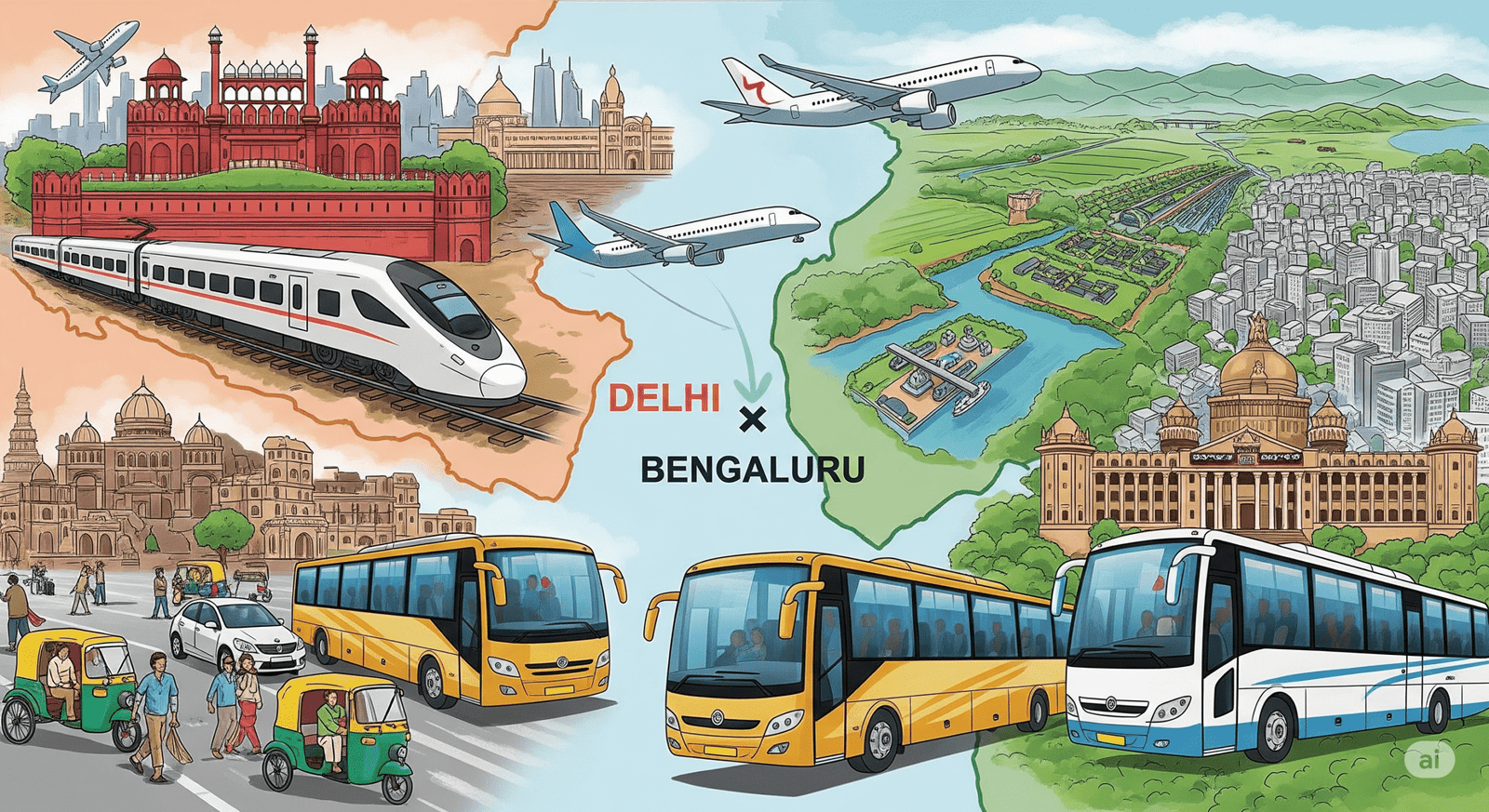
  • Delhi to Bengaluru Transport: The Complete Guide to Road, Rail & Air Shipping

    Delhi to Bengaluru Transport: The Complete Guide to Road, Rail & Air Shipping

    Transporting goods between Delhi and Bengaluru (Bangalore) is a vital logistics corridor for businesses and individuals. Whether you’re moving industrial machinery, retail stock, or personal belongings, choosing the right transport method ensures safe, timely, and cost-effective delivery.

    This comprehensive guide covers:

    ✔ Best transport modes (Truck, Train, Air)
    ✔ Cost comparison (FTL, LTL, courier)
    ✔ Transit time & fastest routes
    ✔ How to book online
    ✔ Tracking & safety tips


    1. Why Transport Goods from Delhi to Bengaluru?

    Bengaluru is India’s IT hub and a major commercial center, making Delhi-Bengaluru transport essential for:

    ✅ E-commerce & retail businesses
    ✅ Industrial equipment & raw materials
    ✅ Household relocations
    ✅ Perishable goods (food, pharma)


    2. Best Transport Options from Delhi to Bengaluru

    A. Truck Transport (Most Popular for Bulk Cargo)

    • Best for: Heavy, large, or non-urgent shipments
    • Types:
      • FTL (Full Truck Load) – Exclusive truck for 10+ tons
      • LTL (Part Load) – Shared space for 1-5 tons
      • Container/Refrigerated Trucks – For fragile/perishable goods

    Cost:

    ServicePrice
    FTL (Open Truck)₹35,000 – ₹70,000
    LTL (Per Ton)₹2,000 – ₹4,000
    Refrigerated Truck₹60,000 – ₹90,000

    Transit Time: 4-7 days (2,350 km via NH44)

    B. Train Cargo (Cheaper for Non-Urgent Shipments)

    • Best for: Large, non-perishable goods
    • Options:
      • Indian Railways Parcel Service
      • Dedicated Freight Corridors

    Cost: ~30-50% cheaper than trucks
    Transit Time: 5-10 days

    C. Air Cargo (Fastest but Expensive)

    • Best for: Urgent, high-value, or lightweight goods (<100 kg)
    • Airlines: IndiGo, SpiceJet, Blue Dart

    Cost: ₹80 – ₹200/kg
    Transit Time: 1-2 days


    3. How to Book Delhi to Bengaluru Transport?

    Truck Booking Steps:

    1. Choose a Provider (e.g., Porter, Trukky, LorryGuru)
    2. Select Truck Type (FTL/LTL, container, refrigerated)
    3. Get Quotes & Compare
    4. Confirm & Track (GPS-enabled trucks)

    Train/Air Booking:

    • Rail: Book via IRCTC website or freight services
    • Air: Use Blue Dart/DHL for door-to-door delivery

    4. Safety & Tracking Tips

    ✔ Insure shipments (1-3% of cargo value)
    ✔ Use GPS tracking for real-time updates
    ✔ Seal containers to prevent theft
    ✔ Verify transporter credentials


    5. Why Choose Professional Transport Services?

    • No middlemen (Direct fleet owners = lower cost)
    • Door-to-door delivery
    • 24/7 customer support

    Final Verdict

    • Cheapest Option: Train cargo
    • Fastest Option: Air freight
    • Best Balance (Cost + Speed): Truck transport

    🚛 Need a Quote? Compare prices & book today for hassle-free shipping!


    FAQ

    Q1: What’s the cheapest way to send 500 kg goods?
    → LTL truck (₹2,000-₹4,000/ton) or train cargo.

    Q2: How to track my shipment?
    → Reputable providers offer GPS/SMS tracking.

    Q3: Can I transport perishable items?
    → Yes, use refrigerated trucks or air cargo.

    Still confused? Comment below! We’ll help

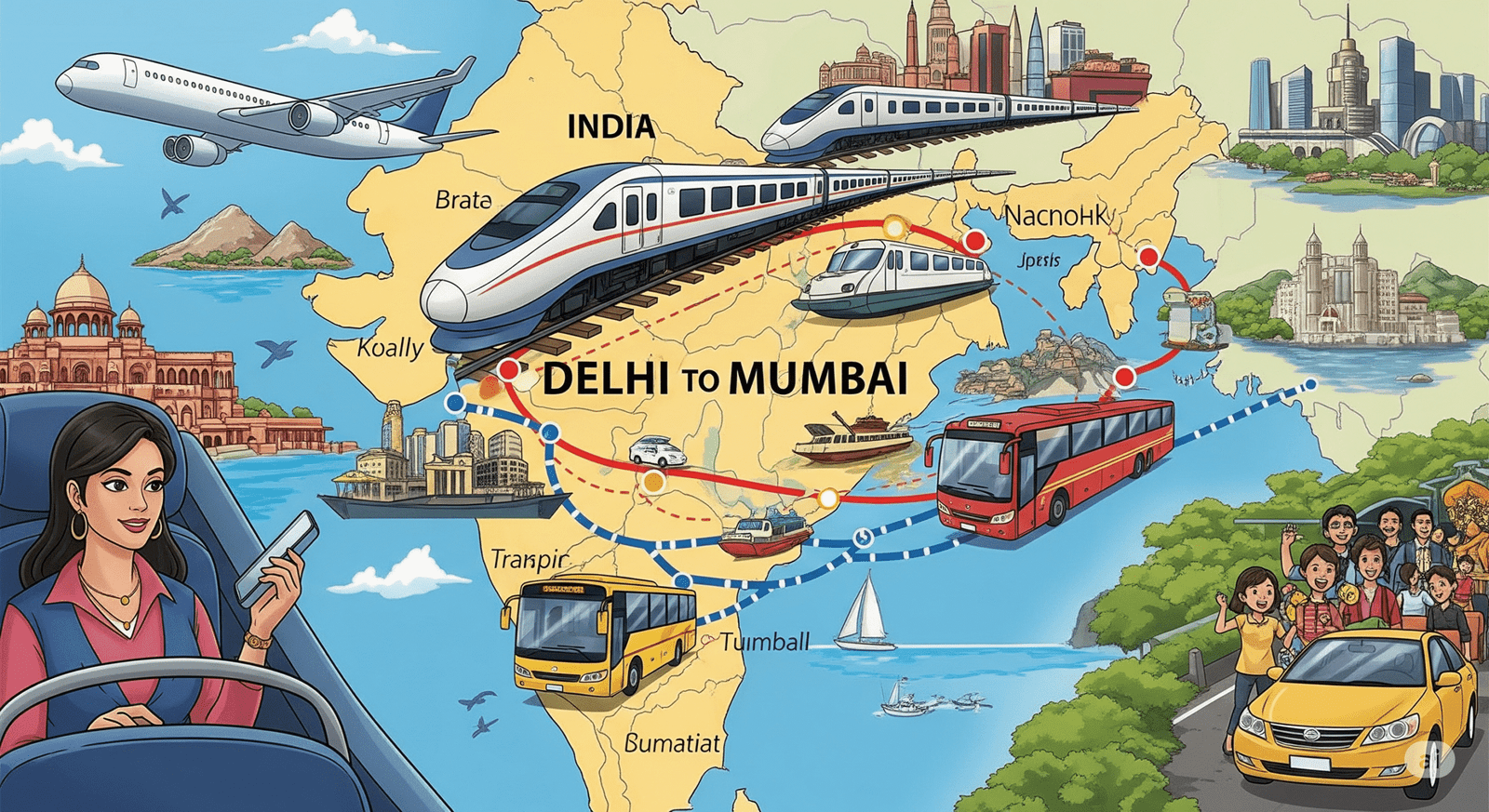
  • Delhi to Mumbai Truck Transport: A Complete Guide to Safe & Affordable Cargo Shipping

    Delhi to Mumbai Truck Transport: A Complete Guide to Safe & Affordable Cargo Shipping

    Shipping goods between Delhi and Mumbai is a crucial logistics route for businesses and individuals alike. Whether you’re transporting raw materials, finished goods, or household items, choosing the right truck transport service ensures timely, cost-effective, and secure delivery.

    This guide covers everything you need to know about Delhi to Mumbai truck transport, including:

    ✔ Best transport options (FTL, LTL, containers)
    ✔ Cost estimates & factors affecting pricing
    ✔ Transit time & fastest routes
    ✔ How to book a truck online
    ✔ Tracking & safety measures


    1. Why Choose Truck Transport from Delhi to Mumbai?

    Trucks remain the most preferred mode for cargo transport between Delhi and Mumbai due to:

    ✅ Cost-Effective – Cheaper than air freight for bulk shipments.
    ✅ Flexible Load Options – Choose Full Truck Load (FTL) or Part Load (LTL) based on cargo size.
    ✅ Wide Vehicle Availability – Open trucks, containers, refrigerated vans, and more.
    ✅ Door-to-Door Service – Loading, transit, and unloading support.
    ✅ Real-Time Tracking – GPS-enabled trucks for shipment monitoring.


    2. Delhi to Mumbai Truck Transport Options

    A. Full Truck Load (FTL)

    • Ideal for large shipments (10+ tons) needing exclusive space.
    • Best for: Industrial goods, machinery, bulk commodities.
    • Truck Types:
      • Open Trucks (for non-perishable goods)
      • Container Trucks (sealed & weatherproof)
      • Refrigerated Trucks (for perishable items)

    B. Part Load (LTL)

    • Cost-efficient for smaller consignments (1-5 tons) sharing space.
    • Best for: Retail goods, small business shipments, personal items.

    C. Specialized Transport

    • Heavy Machinery Transport – Low-bed trailers for oversized cargo.
    • Temperature-Controlled Trucks – For pharmaceuticals, food, and chemicals.

    3. Delhi to Mumbai Truck Transport Cost

    The cost depends on:
    ✔ Type of Truck (Open/Container/Refrigerated)
    ✔ Load Type (FTL or LTL)
    ✔ Distance & Route (~1,400 km via NH48)
    ✔ Fuel Prices & Toll Charges

    Estimated Costs:

    Service TypeApprox. Cost
    FTL (Open Truck)₹30,000 – ₹50,000
    FTL (Container)₹40,000 – ₹65,000
    LTL (Per Ton)₹2,500 – ₹4,000
    Refrigerated Truck₹50,000 – ₹80,000

    (Prices vary based on demand, season, and cargo weight.)


    4. How Long Does It Take?

    • Standard Transit Time: 2-4 days (depending on route & stops).
    • Fastest Route: Delhi – Jaipur – Udaipur – Ahmedabad – Mumbai (NH48) (~1,400 km).
    • Factors Affecting Time:
      • Traffic & weather conditions
      • Documentation checks at state borders
      • Driver rest periods (as per govt. norms)

    5. How to Book a Delhi to Mumbai Truck Online?

    Step 1: Choose a Reliable Transport Provider

    • Top Platforms: Porter, Trukky, LorryGuru, or direct logistics companies.
    • Check Reviews: Look for verified transporters with GPS tracking.

    Step 2: Select Truck Type & Get a Quote

    • Specify load type, weight, and dimensions for accurate pricing.

    Step 3: Confirm Booking & Track Shipment

    • Documents Required:
      • GST details (for commercial goods)
      • Aadhaar/PAN (for KYC)
      • Invoice & packing list
    • Tracking: Get real-time updates via SMS/app.

    6. Safety Tips for Delhi to Mumbai Truck Transport

    ✔ Insure Your Cargo – Avoid financial loss due to damage/theft.
    ✔ Use Sealed Containers – For high-value or sensitive goods.
    ✔ Verify Driver & Truck Details – Ensure registered transporters.
    ✔ Opt for GPS Tracking – Monitor location throughout transit.


    7. Why Choose Professional Transport Services?

    • No Brokerage – Direct fleet owners reduce costs.
    • Timely Delivery – Experienced drivers familiar with routes.
    • 24/7 Support – Assistance in case of delays/issues.

    Final Thoughts

    Booking a Delhi to Mumbai truck transport is now easier than ever with online platforms offering transparent pricing, GPS tracking, and insured shipments. Whether you need FTL, LTL, or refrigerated transport, compare quotes and choose a trusted provider for a smooth delivery experience.

    🚛 Need a Truck? Get instant quotes today for fast, safe, and affordable shipping!


    FAQ

    Q1: What is the cheapest way to transport goods from Delhi to Mumbai?

    LTL (Part Load) is cost-effective for small shipments.

    Q2: How can I track my truck?

    Reputable providers offer GPS tracking via app/SMS.

    Q3: Are loading/unloading services included?

    Yes, most transporters provide end-to-end logistics support.

    Q4: What if my goods are damaged in transit?

    File a claim with insurance (if opted) and notify the transporter immediately.

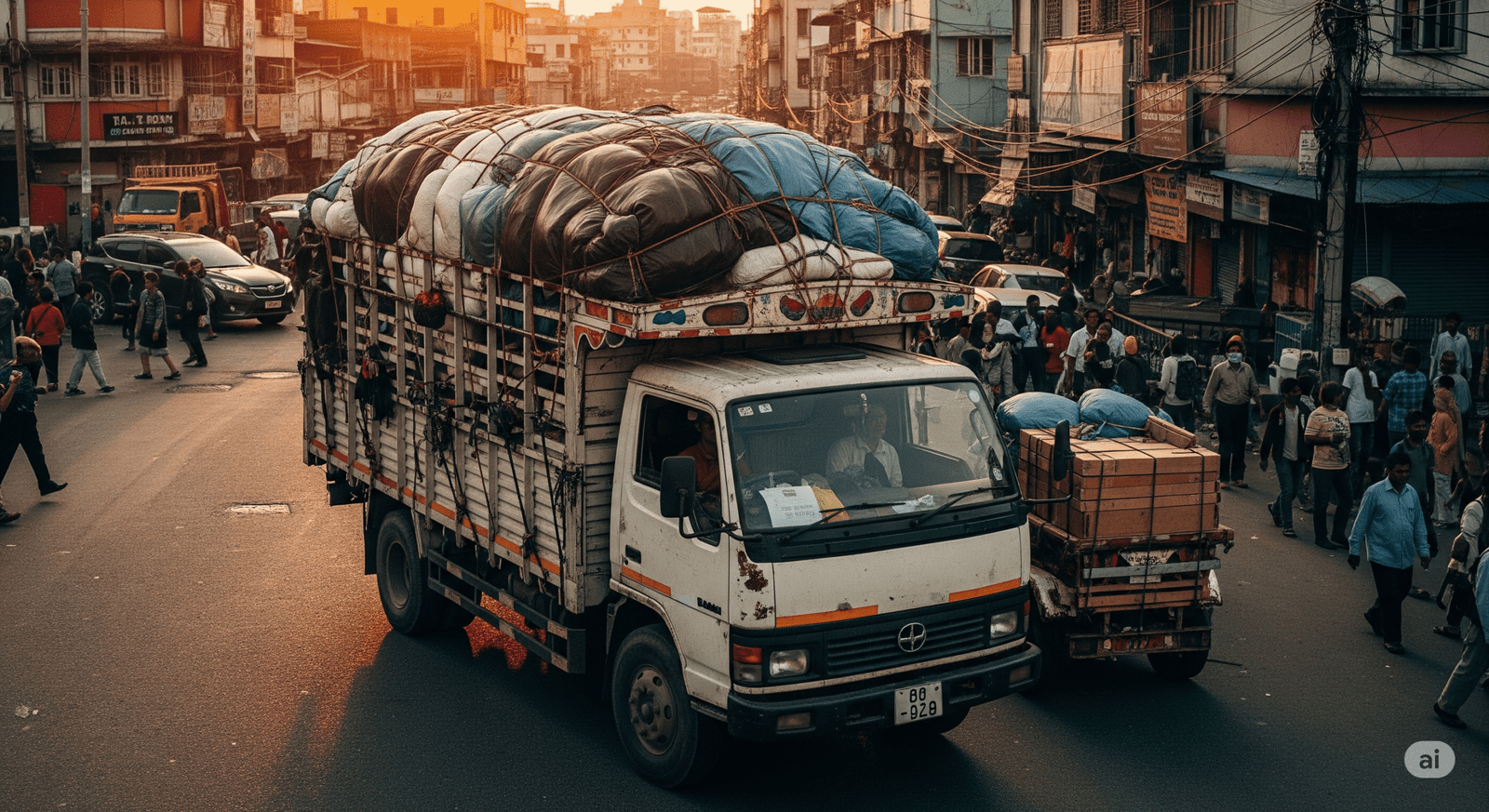
  • Overloaded Trucks: A Barrier to India’s Progress & Growth

    Overloaded Trucks: A Barrier to India’s Progress & Growth

    Growing up in India, I’ve always had a fascination with roads. Not just the destinations, but the journeys — the highways, the long queues at tolls, and the endless stream of trucks carrying the weight of India’s economy on their axles. But over time, I’ve also come to notice a darker side of this picture: overloaded trucks. What once seemed like a sign of bustling commerce now feels like a persistent barrier to development.

    The Hidden Cost of Extra Tons

    I still remember a road trip to Himachal Pradesh — we were delayed for hours because a truck carrying construction material had overturned. The cause? Overloading. This isn’t an isolated incident. Every day, overloaded trucks not only risk accidents but damage roads, slow down traffic, and reduce fuel efficiency, creating a ripple effect of losses — human, financial, and infrastructural.

    India’s roads aren’t just passageways for vehicles — they’re arteries of commerce, lifelines of rural-urban connection. But when trucks exceed legal weight limits, it’s not just their suspensions that suffer — our national infrastructure does too.

    Crumbling Roads, Wasted Crores

    According to government data, nearly 40% of road damage in India is caused by overloaded vehicles. Despite crores being spent annually on highway repair and maintenance, these efforts are often undone by a few thousand kilos too many on a single axle. What could’ve been spent on expanding connectivity is instead funneled into patchwork repairs.

    Overloading doesn’t just wear out roads — it increases maintenance costs for other vehicles and shortens the lifespan of trucks themselves. The irony is that in trying to increase profit margins, transporters often incur higher long-term costs, sometimes tragically paid in lives lost to preventable accidents.

    ⚖️ A Systemic Problem, Not Just a Legal One

    Yes, India has rules. The Motor Vehicles Act prescribes clear weight limits. We have weighbridges, fines, and enforcement officers. But the problem lies in implementation and incentives.

    In many parts of the country, bribes and loopholes make it easier to pay off a penalty than to operate within legal limits. And logistics clients often pressurize small fleet owners to optimize loads to cut costs. This systemic exploitation puts ethical truckers at a disadvantage.

    The Human Side of the Problem

    Let’s not forget the people inside those trucks. The drivers, many of whom spend days on the road, are the unsung heroes of our economy. Overloading not only makes their jobs harder and more dangerous, but also contributes to fatigue, breakdowns, and the ever-present fear of legal trouble or accidents.

    Once, while working on a logistics project in Madhya Pradesh, I met Rakesh, a 45-year-old driver. He told me, “Bhaiyya, maal zyada hai, par kya karein? Pet ka sawaal hai.” (Brother, there’s too much cargo, but what can I do? I have mouths to feed.) That statement stayed with me. Overloading isn’t just a policy failure — it’s a livelihood dilemma.

    The Road to Reform

    India’s economic aspirations are ambitious: becoming a $5 trillion economy, expanding exports, improving last-mile connectivity. But overloaded trucks are a drag on this vision. To move forward, we must:

    • Enforce weight limits strictly across all states.
    • Digitize weighbridge data to reduce corruption and manipulation.
    • Offer incentives or subsidies to logistics companies that comply with safety and load regulations.
    • Encourage freight-sharing platforms to maximize efficiency legally.
    • Promote driver education and insurance, focusing on their rights and safety.

    My Perspective

    I believe that India is at a pivotal crossroads. We’ve made leaps in digital tech, fintech, and infrastructure. But something as seemingly basic as overloaded trucks still holds us back. It’s symbolic, really — we cannot move fast if our foundation is cracking under excess weight.

    If we want inclusive, sustainable growth, we must pay attention to the wheels that keep India moving. For me, this isn’t just about roads or trucks — it’s about the values we assign to efficiency vs. ethics, progress vs. pressure, and growth vs. greed.


    Let’s lighten the load — on our roads, on our drivers, and on the nation.

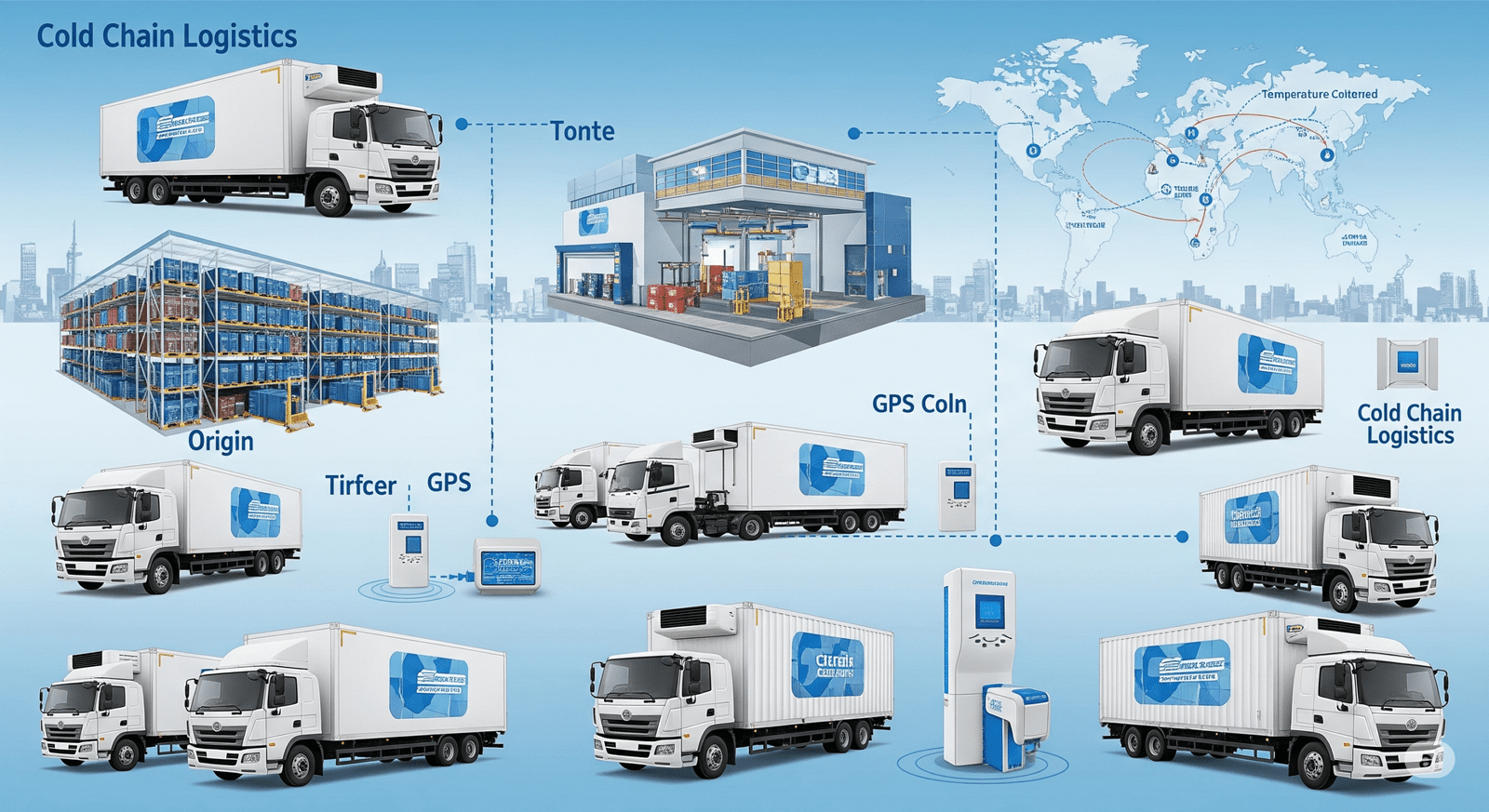
  • Reliable Cold Chain Logistics: Overview & Key Insights

    Reliable Cold Chain Logistics: Overview & Key Insights

    What is Cold Chain Logistics?

    Cold chain logistics refers to the transportation and storage of temperature-sensitive products — such as pharmaceuticals, vaccines, perishable foods, and chemicals — under controlled temperature conditions throughout the supply chain. Reliability in cold chain logistics means maintaining the required temperature range without any break, often referred to as the “cold chain integrity.”


    Why Reliability Matters

    • Product Integrity: Even a minor temperature excursion can compromise product quality, safety, and efficacy (especially for vaccines and biologics).
    • Regulatory Compliance: Organizations like the FDA and WHO mandate stringent temperature monitoring and reporting.
    • Financial Impact: Spoiled goods due to cold chain failures can lead to massive losses, recalls, or reputational damage.

    Components of a Reliable Cold Chain Logistics System

    1. Temperature-Controlled Storage
      • Refrigerated warehouses
      • Blast freezers and chillers
    2. Specialized Transportation
      • Reefer trucks, air cargo containers, and temperature-monitored shipping
      • Real-time GPS + temperature tracking
    3. Monitoring & Data Logging
      • Use of IoT sensors and data loggers for 24/7 tracking
      • Alerts in case of temperature deviation
    4. Packaging Technology
      • Phase change materials, gel packs, and vacuum-insulated panels
      • Tamper-proof, reusable containers
    5. Standard Operating Procedures (SOPs)
      • Training for handlers and drivers
      • Emergency protocols for power outages or vehicle breakdowns

    Sectors That Depend on Cold Chain Logistics

    • Pharmaceuticals: Especially for vaccines, insulin, and biologics
    • Food Industry: Dairy, meat, seafood, frozen foods, and ready-to-eat meals
    • Agriculture: Fresh produce and flowers
    • Chemical Industry: Lab samples and specialty chemicals

    Trends & Innovations

    • Blockchain for end-to-end traceability
    • AI & Predictive Analytics for demand forecasting and route optimization
    • Sustainable Cooling: Eco-friendly refrigerants and solar-powered refrigeration
    • Automation in warehouses and sorting facilities

    Leading Companies in Reliable Cold Chain Logistics

    • DHL Supply Chain
    • FedEx Cold Chain
    • UPS Healthcare
    • Snowman Logistics (India)
    • Lineage Logistics

    If you’re planning to write a blog, business proposal, or website content about cold chain logistics, I can tailor this information accordingly.

  • Ahmedabad to Mumbai Transport Service – A Key Freight Corridor in Western India

    Ahmedabad to Mumbai Transport Service – A Key Freight Corridor in Western India

    The Ahmedabad to Mumbai transport route is one of the busiest and most critical trucking corridors in Western India. With Mumbai being a major financial and industrial hub and Ahmedabad serving as a stronghold for manufacturing and trade, this corridor sees year-round high freight movement. Efficient, on-time logistics between the two cities are crucial for businesses depending on a seamless flow of raw materials and finished goods.


    📊 Market Snapshot: Freight Volume, Trips & Trucking Activity

    • Truck Trips per Week: 4,000–5,000
    • Monthly Freight Volume: Over 2 lakh metric tons
    • Active Trucks on Route: 6,000+

    This makes it one of the most competitive and high-volume transport routes in the country.


    📦 Top 10 Goods Transported from Ahmedabad to Mumbai

    1. Pharmaceuticals
    2. Textiles and Garments
    3. Plastic Granules
    4. Industrial Machinery
    5. Ceramic Products
    6. Auto Components
    7. Processed Food & FMCG
    8. Electrical Equipment
    9. Agricultural Produce (especially cumin and cotton)
    10. Packaging Materials

    Most of these shipments originate from industrial zones like Sanand, Aslali, Changodar, Odhav, and Narol in Ahmedabad.


    🚚 Most In-Demand Trucks on This Route

    • Tata 407 / Bolero Pickup – Best for light parcel or part-load shipments
    • 19 Feet LPT Truck – Ideal for medium-sized loads
    • Taurus 10-Wheel Truck – Preferred for heavy and bulk cargo

    📈 Seasonal Freight Demand Trends

    • Peak Season: October to March (festivals, agricultural output, export rush)
    • Off-Season: June to August (monsoons, manufacturing slowdowns)

    Freight rates can rise by 10–20% during peak months, especially around Diwali and financial year-end.


    💸 Ahmedabad to Mumbai Freight Charges (Approx.)

    Load TypeEstimated Rate
    Load Share₹2 – ₹3 per kg
    Mini Trucks (1–2 Ton)₹10,000 – ₹12,000
    Light Trucks (3–7 Ton)₹15,000 – ₹18,000
    Medium Trucks (8–15 Ton)₹21,000 – ₹35,000
    Heavy Trucks (Taurus/Trailers)₹40,000 – ₹60,000

    Rates vary based on cargo type, urgency, and seasonal truck availability.


    🛣️ Preferred Route & Transit Duration

    • Route: NH-48 (formerly NH-8) via Vadodara, Bharuch, Surat, Vapi, Thane
    • Estimated Transit Time: 15–24 hours, depending on vehicle type, load, and halts

    SgBajrang’s Role in the Ahmedabad-Mumbai Corridor

    Trukky streamlines the Ahmedabad to Mumbai transport experience through:

    • Live Shipment Tracking
    • Verified Trucks Across All Vehicle Types
    • Instant Online Pricing & Transparent Quotes
    • Insurance Coverage for High-Value Goods
    • Pickup Services from Sanand, Aslali & Changodar

    With a tech-first logistics platform, Trukky reduces delays, improves visibility, and eliminates the hassle of constant follow-ups.


    ✅ Conclusion: A Reliable Transport Lifeline

    The Ahmedabad to Mumbai trucking route isn’t just a highway—it’s a critical economic artery. For businesses needing transport service in Ahmedabad, Sanand, Aslali, or searching online for a “transport service near me”, platforms like Trukky are redefining logistics with competitive rates, verified fleets, and real-time updates. Make your shipping smarter, faster, and more reliable—choose tech-powered freight solutions today.

  • Container Truck Transport Service – Safe, Reliable & On-Time

    Container Truck Transport Service – Safe, Reliable & On-Time

    Trusted Container Logistics for All Your Freight Needs

    Looking for a dependable container truck transport service across India? We specialize in the secure movement of 20 ft, 32 ft, and 40 ft containers for industries such as manufacturing, FMCG, e-commerce, automotive, and more. Whether it’s port-to-warehouse or warehouse-to-retail, we ensure safe, on-time, and cost-efficient delivery.


    Our Container Transport Services Include:

    • Full Truckload (FTL) Container Movement
    • Part Load Container Service for cost-saving
    • Port-to-Port and Port-to-Door Delivery
    • GPS-Enabled Tracking of Containers
    • Experienced Drivers & Secure Transit
    • Customizable Transport Contracts & Support

    Industries We Serve


    Why Choose Our Container Truck Services?

    • Nationwide Network & Multi-city Operations
    • Fast, Transparent Pricing & No Hidden Charges
    • Real-Time Vehicle Tracking & Customer Updates
    • Door-to-Door & Multimodal Transport Options
    • 24/7 Customer Support for Peace of Mind

    Book Your Container Truck Today

    Ready to transport your container freight? Contact us now for a quick quote or to speak with a logistics expert.

  • Challenges in the Indian Transportation Industry and How to Overcome Them as a Shipper

    Challenges in the Indian Transportation Industry and How to Overcome Them as a Shipper

    India’s transportation industry is the backbone of its economy, responsible for moving billions of tonnes of goods annually across vast geographical terrains. However, shippers in India often face multiple challenges that can disrupt supply chains, inflate costs, and affect delivery timelines. Understanding these obstacles and adopting strategic solutions is essential for smooth operations.

    1. Poor Infrastructure

    Challenge:
    Despite significant improvements, many highways, rural roads, and intermodal facilities still suffer from poor maintenance, congestion, and bottlenecks.

    Solutions:

    • Route Optimization: Use GPS-enabled route planning tools to avoid poorly maintained routes and minimize travel time.
    • Collaborate with 3PLs: Partner with experienced third-party logistics providers who have better knowledge of alternate routes and access to multimodal transport networks.

    2. Lack of Digitization

    Challenge:
    Many transport operations still rely on paper documentation and manual processes, leading to inefficiencies and data errors.

    Solutions:

    • Adopt TMS (Transport Management Systems): Integrate digital platforms to manage bookings, documentation, tracking, and analytics.
    • Use eWay Bill System Smartly: Automate eWay bill generation to avoid delays and ensure compliance.

    3. Unpredictable Delivery Timelines

    Challenge:
    Due to traffic congestion, route blockages, or local events, on-time delivery is often a hit or miss.

    Solutions:

    • Real-Time Tracking: Implement IoT and telematics solutions to get live updates on shipment status.
    • Buffer Planning: Include reasonable buffer times in planning, especially during peak seasons or adverse weather forecasts.

    4. Driver Shortage and Training Gaps

    Challenge:
    There is a growing scarcity of trained and reliable drivers, coupled with poor working conditions.

    Solutions:

    • Incentive Programs: Work with transporters that offer driver retention and incentive programs.
    • Onboarding Checks: Conduct proper verification and training sessions for hired transport partners to maintain service quality.

    5. Regulatory and Compliance Issues

    Challenge:
    Complex state-wise permits, toll systems, and tax compliance (like GST and road taxes) can delay shipments.

    Solutions:


    6. High Logistics Costs

    Challenge:
    Freight charges, fuel costs, tolls, and warehousing expenses contribute to high logistics costs in India.

    Solutions:

    • Consolidated Shipping: Opt for full truckload (FTL) where feasible instead of multiple partial loads.
    • Contract Negotiation: Build long-term relationships with carriers for better pricing models.

    7. Security and Cargo Theft

    Challenge:
    Cargo theft and pilferage remain concerns, especially in transit through unsecured areas.

    Solutions:

    • Install GPS and Geofencing: Track movements and get alerts on route deviations.
    • Secure Packaging and Insurance: Use tamper-proof packaging and comprehensive insurance policies to reduce risk.

    8. Lack of Visibility Across the Supply Chain

    Challenge:
    Shippers often struggle to get end-to-end visibility into their shipments, leading to poor customer communication.

    Solutions:

    • Supply Chain Visibility Tools: Adopt platforms that provide dashboards with real-time updates, milestones, and exceptions.
    • Collaborative Portals: Use digital platforms to communicate with vendors, transporters, and customers seamlessly.

    Final Thoughts

    While the Indian transportation industry presents several challenges, the right mix of technology, partnerships, and strategic planning can help shippers navigate these hurdles. By embracing digital transformation and working with reliable partners, businesses can not only reduce costs but also improve delivery efficiency and customer satisfaction.

  • Differences Between Logistics and Supply Chain Management Explained

    Differences Between Logistics and Supply Chain Management Explained

    In the world of commerce and operations, the terms logistics and supply chain management (SCM) are often used interchangeably. While they are closely related, they are not the same. Understanding their differences is critical for business owners, logistics professionals, and even consumers who rely on timely delivery of goods and services.

    This article breaks down the fundamental differences between logistics and supply chain management, their individual roles, and how they contribute to business success.


    What is Logistics?

    Logistics refers to the process of planning, executing, and managing the efficient movement and storage of goods, services, and information from the point of origin to the point of consumption.

    Key Functions of Logistics:

    • Transportation of goods
    • Warehousing and storage
    • Inventory management
    • Order fulfillment
    • Packaging and labeling
    • Reverse logistics (returns handling)

    Goal: Deliver the right product, to the right place, at the right time, in the right condition, at the lowest cost possible.


    What is Supply Chain Management (SCM)?

    Supply Chain Management is a broader concept. It involves the strategic coordination of all parts of the supply chain, from raw material procurement to final product delivery to the customer.

    Key Components of SCM:

    • Supplier relationship management
    • Production planning and scheduling
    • Logistics and distribution (logistics is a part of SCM)
    • Demand forecasting
    • Risk management
    • Customer service and feedback integration
    • Technology integration (ERP, AI, blockchain, etc.)

    Goal: To optimize the entire end-to-end process to create value, reduce waste, and deliver a competitive advantage.


    Key Differences Between Logistics and Supply Chain Management

    FeatureLogisticsSupply Chain Management
    ScopeFocused on the movement and storage of goodsCovers the entire journey from sourcing to delivery
    FunctionOperational functionStrategic function
    GoalCustomer satisfaction through delivery efficiencyCompetitive advantage through total supply chain optimization
    ActivitiesTransportation, warehousing, inventory controlPlanning, sourcing, manufacturing, logistics, coordination
    Time FrameShort-term, day-to-day executionLong-term planning and design
    ResponsibilityMostly within the companyIncludes external partners like suppliers and third-party logistics
    ExampleEnsuring a product reaches the customer in 3 daysManaging supplier contracts, optimizing delivery networks, minimizing costs and delays

    How Logistics Fits Into the Supply Chain

    Think of logistics as a subset of supply chain management. SCM is the architecture, and logistics is a key pillar within that structure.

    • Without effective logistics, the supply chain breaks down.
    • Without strategic supply chain planning, logistics can’t be optimized for long-term performance.

    Real-World Example

    Let’s take a simple example of a smartphone manufacturing company:

    • Supply Chain Management: Handles raw material procurement (metals, glass), production timelines, supplier negotiations, global shipping, customs compliance, and overall demand forecasting.
    • Logistics: Manages warehouse operations, final distribution to retail stores or customers, reverse logistics for returns, and real-time delivery tracking.

    Both functions are interdependent, yet serve different roles.


    Why Understanding the Difference Matters

    For businesses:

    • Helps assign the right teams and tools for operational vs. strategic functions.
    • Improves cost control and performance.
    • Enhances customer satisfaction through better delivery and service models.

    For professionals:

    • Builds clearer career paths (e.g., logistics manager vs. supply chain analyst).
    • Helps upskill in the right domain—execution vs. optimization.

    For consumers:

    • Creates awareness about what goes on behind getting a product delivered.

    Conclusion

    While logistics is focused on the movement and storage of goods, supply chain management encompasses a broader scope involving strategic planning, sourcing, and coordination across the entire value chain.

    Understanding these differences helps businesses operate more efficiently and competitively in today’s fast-paced global market.