Category: Transport

  • Why GST Matters More Than You Think in the Truck Transport Business

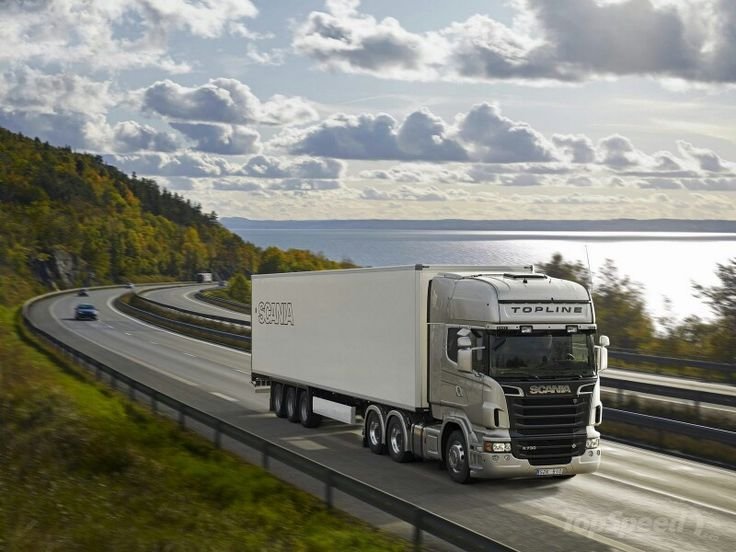
    Why GST Matters More Than You Think in the Truck Transport Business

    If you’re in the trucking or logistics business like I am, you’ve probably had your fair share of paperwork headaches. Back in the day, every state border meant another tax, another document, another delay. But ever since GST (Goods and Services Tax) rolled out, things have changed—and honestly, for the better.

    Let me break it down in simple, real-world terms: GST didn’t just simplify tax—it streamlined the entire transport ecosystem.

    My First Realization: It Wasn’t Just About Tax

    I remember one of our trucks getting stuck at a state border for 14 hours because of missing forms and inter-state tax issues. The client was furious. The driver was frustrated. And I was on calls all night trying to sort it out.

    Then GST happened.

    Suddenly, no more octroi, no more CST confusion, no more endless border checks. Just one uniform tax across the country. It felt like someone had finally cleared the fog from the highway.

    Why GST Is a Big Deal for Trucking

    1. One Nation, One Tax

    Before GST, each state had its own set of taxes—CST, VAT, entry tax, etc. For transporters, it meant tons of compliance and delays. GST replaced all of that with a single system. Simple and clean.

    2. Faster Border Movement

    With GST and eWay Bills, trucks no longer spend hours at state borders. Less idle time = faster deliveries = happier clients.

    3. Input Tax Credit (ITC)

    Under GST, businesses can claim input tax credit on expenses like fuel, vehicle maintenance, and logistics services. That means more savings for transporters and logistics companies.

    4. Better Transparency and Accountability

    With everything being digital—eInvoices, eWay Bills, and GST filings—it’s easier to track shipments and avoid fraud or tax evasion.

    5. Improved Efficiency

    Fewer documents, less red tape, faster approvals. For fleet owners like me, it means focusing more on operations and less on paperwork.

    But It’s Not All Smooth Roads

    Yes, GST brought a lot of benefits, but it also came with learning curves. Smaller fleet operators struggled with tech adoption. Even today, there’s confusion about interstate vs. intrastate GST, and late filings still bring penalties.

    But let’s be real: compared to the chaos before, GST is a huge step forward.

    In Short…

    GST may not sound glamorous, but in the truck transport business, it’s a silent hero. It keeps wheels moving, paperwork simple, and business running smoother than ever.


    Next time you track a package across states and it arrives on time—thank GST for making that journey a whole lot easier.
  • How Live Truck Tracking Totally Changed the Logistics Game

    How Live Truck Tracking Totally Changed the Logistics Game

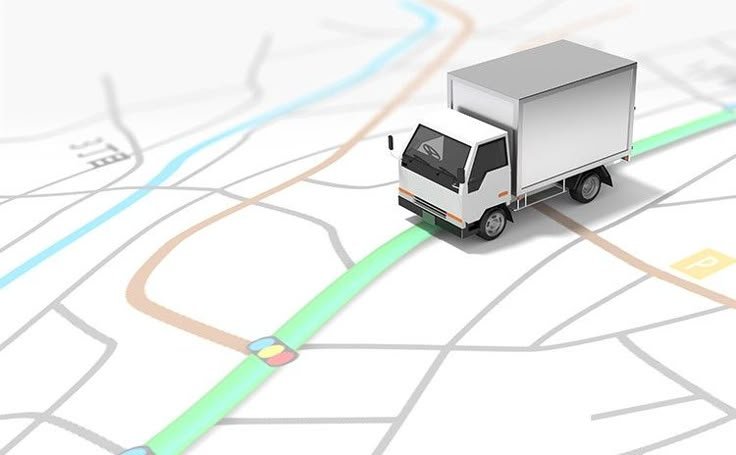
    Not too long ago, tracking a delivery felt like sending a message into the void. You’d ship something and just hope it arrived on time. But now? With live truck tracking, we don’t just wait—we watch it happen. And as someone who’s worked with logistics teams and obsessed over real-time maps, I can confidently say: live tracking has completely transformed logistics.

    The First Time I Used Live Tracking

    I remember shipping a batch of fragile goods for a client from Delhi to Jaipur. Usually, I’d call the driver 3–4 times a day asking, “Bhaiya, kahaan tak pahunche?” But this time, the transport company used a tracking system. I just clicked a link and boom—real-time location, speed, route, even stoppages. No calls. No guesswork. Just clarity.

    It was a revelation.

    Why Live Truck Tracking Is a Game-Changer

    Here’s what makes it such a big deal:

    1. Real-Time Visibility

    Know exactly where your shipment is, at any given time. For logistics managers, this is gold. For customers, it builds trust.

    2. Better Planning & Route Optimization

    Tracking data helps avoid traffic bottlenecks and even suggests alternate routes. Delays? Reduced. Fuel use? Optimized.

    3. Increased Accountability

    Drivers know they’re being monitored (in a good way), which means fewer unnecessary breaks, better driving behavior, and timely deliveries.

    4. Customer Transparency

    Imagine telling a client, “Your truck will arrive at 4:10 PM,” and it actually does. That level of confidence only comes with live data.

    5. Instant Alerts

    Breakdowns, detours, or delays? You’re notified instantly. No surprises, no finger-pointing, just action.

    Challenges? Of Course.

    Not every fleet is equipped with GPS systems yet, especially in smaller towns or with independent truckers. Plus, poor connectivity in remote areas can mess with real-time updates. But that’s changing—fast.

    What’s Next?

    We’re already seeing AI integration, predictive ETA algorithms, and even temperature tracking for perishable goods. The day isn’t far when you’ll get a WhatsApp alert the moment your package crosses your city border.


    Live truck tracking isn’t just a feature anymore—it’s a logistics necessity. For businesses, it’s about efficiency and customer trust. For me? It’s a small thrill every time I open a live map and see that little truck icon moving steadily toward its destination.

  • How to Choose the Right Transportation Company

    How to Choose the Right Transportation Company

    Finding a trustworthy transportation company can feel overwhelming—especially when your delivery deadlines, valuables, or business operations depend on it. Whether you’re shifting your home, moving bulk cargo, or delivering products, the right transport partner makes all the difference.

    Here’s a simple guide to help you choose the right transportation company with confidence.


    ✅ 1. Understand Your Transportation Needs

    Before you even begin your search, ask yourself:

    • Are you moving goods locally or interstate?
    • Do you need part-load or full-load service?
    • Is it for personal use (like relocation) or business logistics?
    • Do you require special handling (fragile, cold storage, etc.)?

    Clarity on your requirements helps filter out companies that don’t offer the right service.


    🔍 2. Research Company Reputation

    A company’s track record is one of the most telling indicators. Look for:

    • Online reviews and ratings
    • Customer testimonials
    • Years in business
    • Google Business Profile or verified listings

    You can also check forums, Facebook groups, or even local business directories for real user experiences.


    💼 3. Check Licensing & Insurance

    Make sure the company:

    • Is registered and licensed to operate in your region
    • Offers transit insurance to protect your goods
    • Has verified drivers and trained staff

    Especially for high-value or long-distance shipments, insurance is a must-have.


    📦 4. Evaluate Service Offerings

    Every transport company isn’t the same. Some offer:

    • Packing & loading
    • Vehicle tracking
    • Door-to-door delivery
    • Warehousing or logistics support
    • E-commerce support

    Choose a provider that offers services aligned with your needs—not just the cheapest one.


    💰 5. Compare Pricing (But Don’t Just Go Cheap)

    Request quotes from 2–3 providers and compare:

    • Base fare
    • Extra charges (toll, loading, taxes)
    • Insurance (if optional)
    • Delivery timelines

    Sometimes, a slightly higher fee guarantees better reliability, tracking, and customer service—all worth it in the long run.


    📱 6. Look for Tech-Enabled Features

    Modern transport companies offer:

    • Online booking portals or apps
    • GPS tracking of your goods
    • SMS or email alerts
    • Digital documentation and invoices

    These features make the whole process transparent and hassle-free.


    ☎️ 7. Test Their Customer Support

    Call or message their helpline before booking. Good signs include:

    • Quick response
    • Clear answers
    • Polite communication
    • Willingness to provide written quotes or terms

    If they’re hard to reach now, imagine how difficult it will be if your goods are delayed!


    Final Thoughts 💬

    Choosing the right transportation company isn’t just about price—it’s about peace of mind. Do your research, compare options, and go with a provider that offers reliability, transparency, and good customer service.

    Pro Tip: Keep copies of all paperwork (invoice, delivery slip, ID proof, etc.) in case of disputes.