Category: Transport

  • Goods Transport from Delhi to Ahmedabad

    Goods Transport from Delhi to Ahmedabad

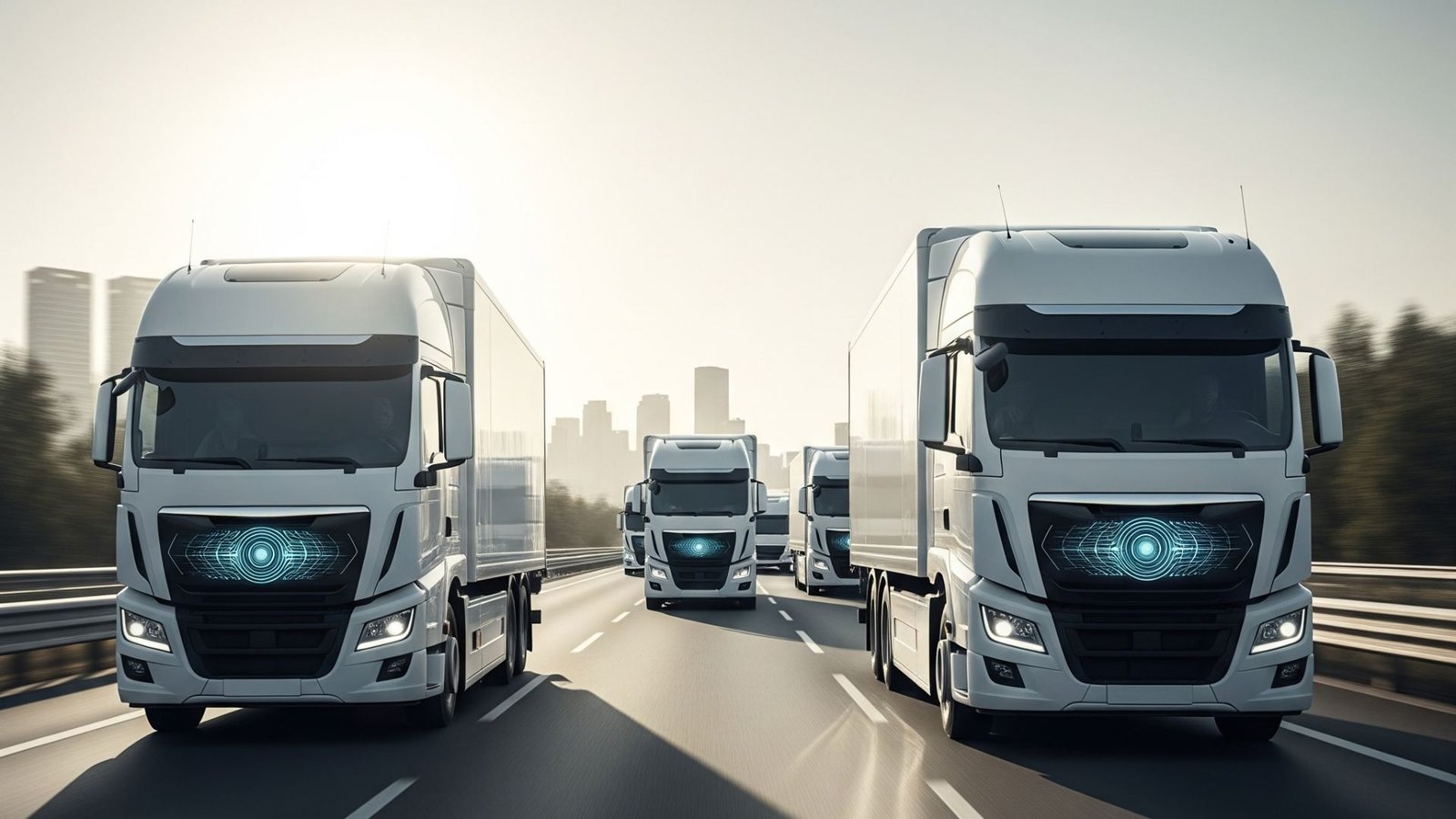
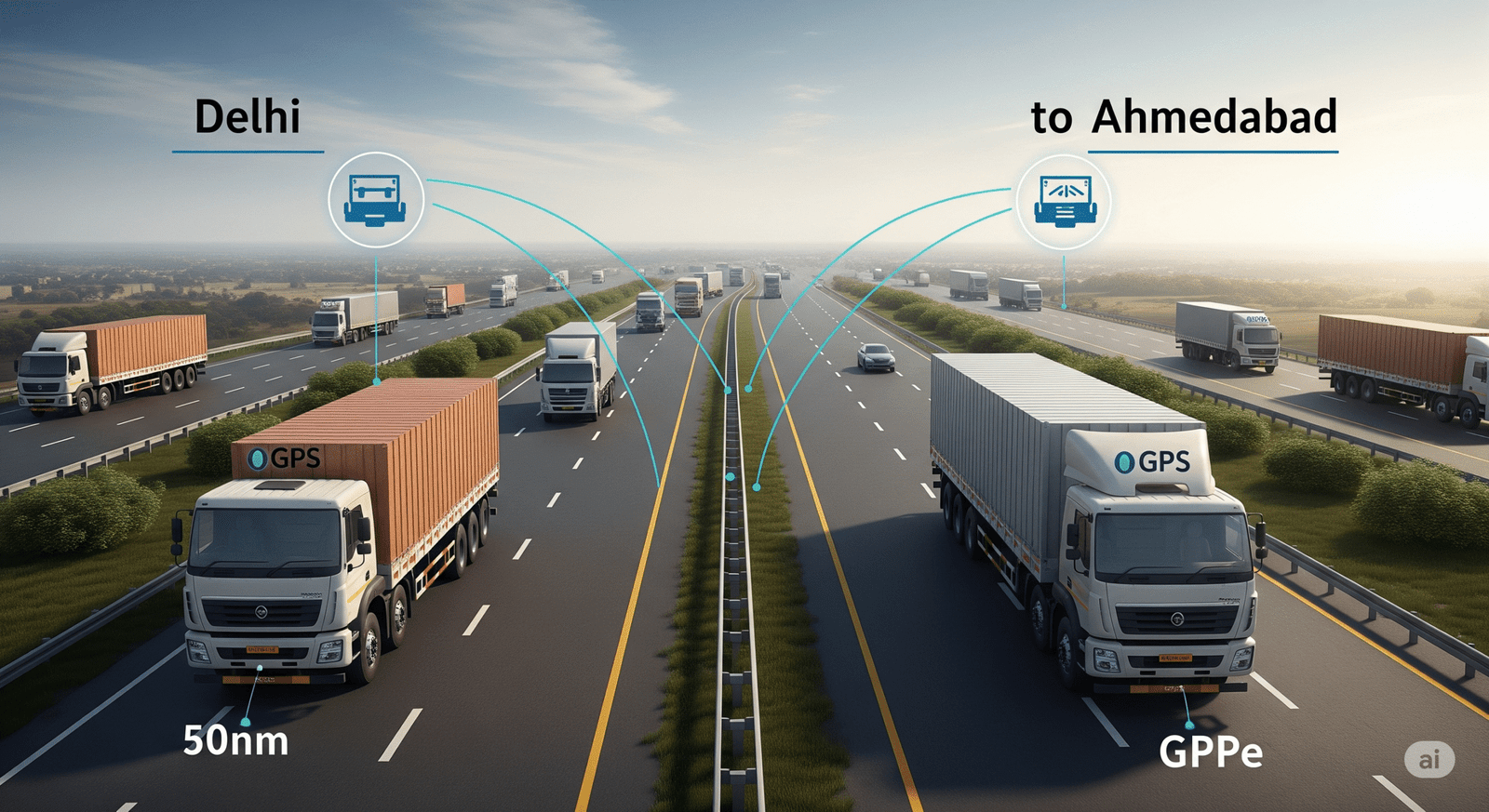
    The bustling industrial and commercial hubs of Delhi and Ahmedabad are intrinsically linked by a robust network of trade and commerce. For businesses and individuals alike, the efficient movement of goods between these two major cities is paramount. This blog post delves into the intricacies of Delhi to Ahmedabad goods transport, covering everything from available options and key factors to consider, to common challenges and how to overcome them.

    The Lifeline: Understanding the Delhi-Ahmedabad Route

    The approximate distance between Delhi and Ahmedabad by road is around 940-950 kilometers, typically taking 3 to 5 days for goods transport via surface. This route is a critical artery for the supply chain, facilitating the movement of a wide array of products, from industrial machinery and construction materials to textiles, electronics, FMCG, and even personal belongings.

    Modes of Transport: Choosing Your Ride

    While air cargo offers the fastest delivery (as little as 3 days for urgent needs), road transport remains the most dominant and cost-effective mode for moving goods between Delhi and Ahmedabad. Within road transport, you have two primary options:

    1. Full Truck Load (FTL):
      • What it is: Your goods occupy the entire truck or container.
      • Best for: Large volume shipments, heavy machinery, high-value goods, or when you need dedicated transport and faster transit times.
      • Benefits: Faster transit as there are no intermediate stops, reduced risk of damage or loss due to minimal handling, and greater flexibility in scheduling.
      • Cost: Generally more expensive on a per-unit basis as you bear the entire cost of the truck.
    2. Less Than Truck Load (LTL) / Part Load:
      • What it is: Your goods share space in a truck with consignments from other shippers.
      • Best for: Smaller shipments that don’t require an entire truck, or when cost-effectiveness is a higher priority than speed.
      • Benefits: Highly cost-effective as shipping costs are divided among multiple shippers, and increased flexibility for smaller, more frequent shipments.
      • Cost: Cheaper on a per-unit basis but may involve slightly longer transit times due to multiple pickups and deliveries.

    Other Specialized Transport Options:

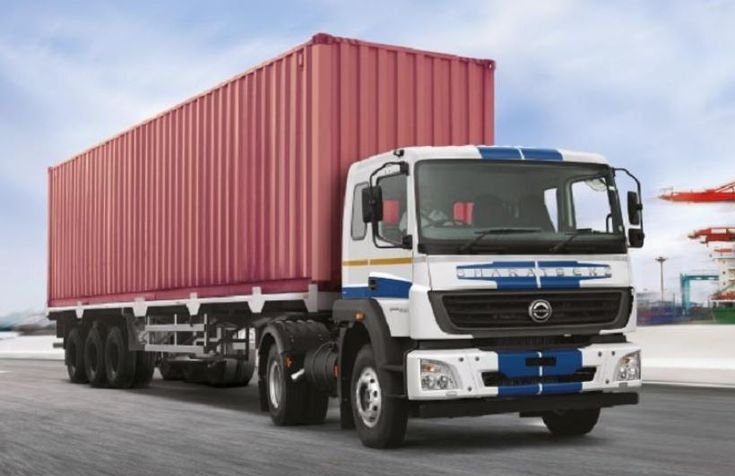
    • Container Trucks: Ideal for sealed, weatherproof shipping of sensitive goods like electronics or furniture.
    • Trailers/Tankers: Used for bulk cargo such as liquids or industrial goods.
    • Small Pickup Trucks (e.g., Tata Ace, Tata 407): Suitable for very small loads or LTL consignments, especially for last-mile delivery.
    • Refrigerated Trucks: Essential for perishable goods like fruits, vegetables, pharmaceuticals, where temperature control is crucial.

    Factors Influencing Transport Costs and Time

    Several variables determine the final cost and transit time for your Delhi to Ahmedabad shipment:

    • Type of Goods: Fragile, perishable, hazardous, or oversized goods may incur higher charges due to specialized handling and equipment.
    • Weight and Volume: The total weight and cubic volume of your consignment directly impact the required truck size and thus the cost.
    • Truck Type: Different truck types (e.g., 14ft, 17ft, 19ft, 32ft single/multi-axle, open, container) have varying capacities and associated costs.
    • Fuel Prices: Fluctuations in fuel prices directly affect freight rates.
    • Toll Charges and State Taxes: These are significant components of the overall cost along the route (e.g., approximate tolls can be around ₹3,690).
    • Seasonality: Peak seasons (e.g., festivals like Diwali, year-end) can lead to higher demand and increased rates.
    • Additional Services: Loading/unloading, packaging, insurance, warehousing, and door-to-door delivery will add to the total cost.
    • Urgency: Express delivery options will naturally be more expensive.

    Indicative Freight Rates (as of early 2025 – subject to change):

    • Part Load (LTL): Starting from ₹1.6 – ₹4 per kg or around ₹1500 – ₹3500 per ton.
    • Full Truck Load (FTL):
      • 16 Ton Truck: ₹7,550 – ₹12,580
      • Eicher 19ft: ₹9,600 – ₹14,540
      • 32 feet multi-axle: ₹12,570 – ₹15,560
      • 32 feet – 7 Ton: ₹14,550 – ₹17,490
      • Larger trucks (22-40ft containers/trailers) can range from ₹26,000 to ₹70,000+.

    (Please note: These are indicative ranges. Always obtain direct quotes from transport providers for accurate pricing for your specific consignment.)

    Key Challenges in Delhi to Ahmedabad Goods Transport

    Despite advancements, the Indian transportation industry, including the Delhi-Ahmedabad corridor, faces certain challenges:

    • Cargo Theft: Especially from open trucks, this remains a concern. Solutions include planning daytime shipments and ensuring secure locking mechanisms.
    • Truck Accidents: Overloading and poor vehicle maintenance are contributing factors. Reputable transporters prioritize well-maintained fleets and trained drivers.
    • Truck Scams: Fake brokers or “dummy broker” tactics can lead to financial losses or undelivered goods. Always verify credentials, use online booking platforms, and insist on written agreements.
    • Truck Availability: During peak seasons, securing trucks can be challenging. Advance planning and strong relationships with transporters are key.
    • Road Infrastructure: While major highways are improving, some stretches or interior routes might still have less than ideal road conditions, potentially causing delays.
    • Fuel Price Volatility: Fluctuating fuel costs can impact freight rates unexpectedly.
    • Unexpected Delays: Weather conditions, road blockages, and checkpost procedures can sometimes lead to unforeseen delays.

    Finding a Reliable Transport Partner

    Choosing the right transporter is crucial for a smooth and efficient experience. Here’s how to find a trusted partner:

    1. Define Your Needs: Be clear about the type of goods, volume, urgency, and any specific handling requirements.
    2. Research Reputable Companies: Look for companies with strong online presence, positive reviews, and a track record of reliability. Companies like TruckGuru, Trukky, Porter, SG Bajrang Logistics, Gati, Trackon Express, and many others listed on platforms like Justdial and IndiaMART, offer services on this route.
    3. Check Credentials: Verify licenses, insurance, and GSTIN.
    4. Compare Quotes: Obtain multiple quotes to compare prices, services included (loading, unloading, insurance, tracking), and terms.
    5. Inquire About Tracking: Real-time GPS tracking offers peace of mind and better visibility of your shipment.
    6. Understand Payment Terms: Clarify payment options (cash, bank transfer, online payments) and any advance payment requirements.
    7. Read Reviews and Testimonials: Pay attention to feedback regarding timely delivery, careful handling, and customer service.
    8. Ask About Damage/Delay Policies: Understand their procedures and compensation policies in case of unforeseen events.

    Conclusion

    Transporting goods from Delhi to Ahmedabad is a vital part of India’s commercial landscape. By understanding the available transport options, the factors influencing costs and transit times, and the potential challenges, businesses and individuals can make informed decisions. Partnering with a reliable and transparent logistics provider, leveraging technology for tracking, and planning shipments effectively will ensure a seamless and efficient journey for your goods between these two dynamic cities.
  • Critical factors load owners should consider before hiring a truck

    Critical factors load owners should consider before hiring a truck

    1. Reliability & Reputation of the Platform

    • Check reviews and ratings from previous users.
    • Look for how long the platform has been in operation.
    • Ensure it has verified fleet partners and a trustworthy track record.

    2. Fleet Variety & Availability

    • Confirm whether the platform offers the right truck type for your cargo (e.g., Tata Ace, 14-ton truck, container, refrigerated truck).
    • Check availability for specific load capacities and urgent bookings.

    3. Transparent Pricing

    • Ensure pricing is clear, upfront, and includes all charges (toll, taxes, fuel, driver fees).
    • Watch out for platforms with hidden costs or cancellation charges.

    4. Insurance & Liability Coverage

    • Verify if the platform provides cargo insurance and what it covers.
    • Understand liability in case of damage, theft, or delays.

    5. Real-Time Tracking & Updates

    • A reliable platform should offer live GPS tracking and status alerts (via SMS, app, or email).
    • This ensures transparency and helps with route monitoring.

    6. Ease of Booking & Payment Options

    • The platform should support hassle-free booking with multiple payment modes: UPI, cards, net banking, wallets, etc.
    • Look for features like scheduled bookings or return trip discounts.

    7. Driver Verification & Professionalism

    • Check if drivers are verified, licensed, and experienced.
    • Platforms that conduct background checks and offer trained personnel are more trustworthy.

    8. Customer Support & Dispute Handling

    • Ensure the platform offers 24/7 support for booking assistance, queries, or emergencies.
    • A responsive helpdesk is critical if things go wrong en route.

    9. Cancellation & Rescheduling Policies

    • Read and understand the platform’s terms for cancellations, delays, or route changes.
    • Flexible policies can save you money and stress.

    10. Regional Coverage & Delivery Reach

    • Check if the platform serves your pickup and drop locations, especially if in remote or Tier 2/3 areas.
    • Some platforms only operate in select zones.

    Bonus Tip:

    Before confirming, compare quotes from 2–3 platforms and verify truck condition through images or fleet inspection features (if offered).

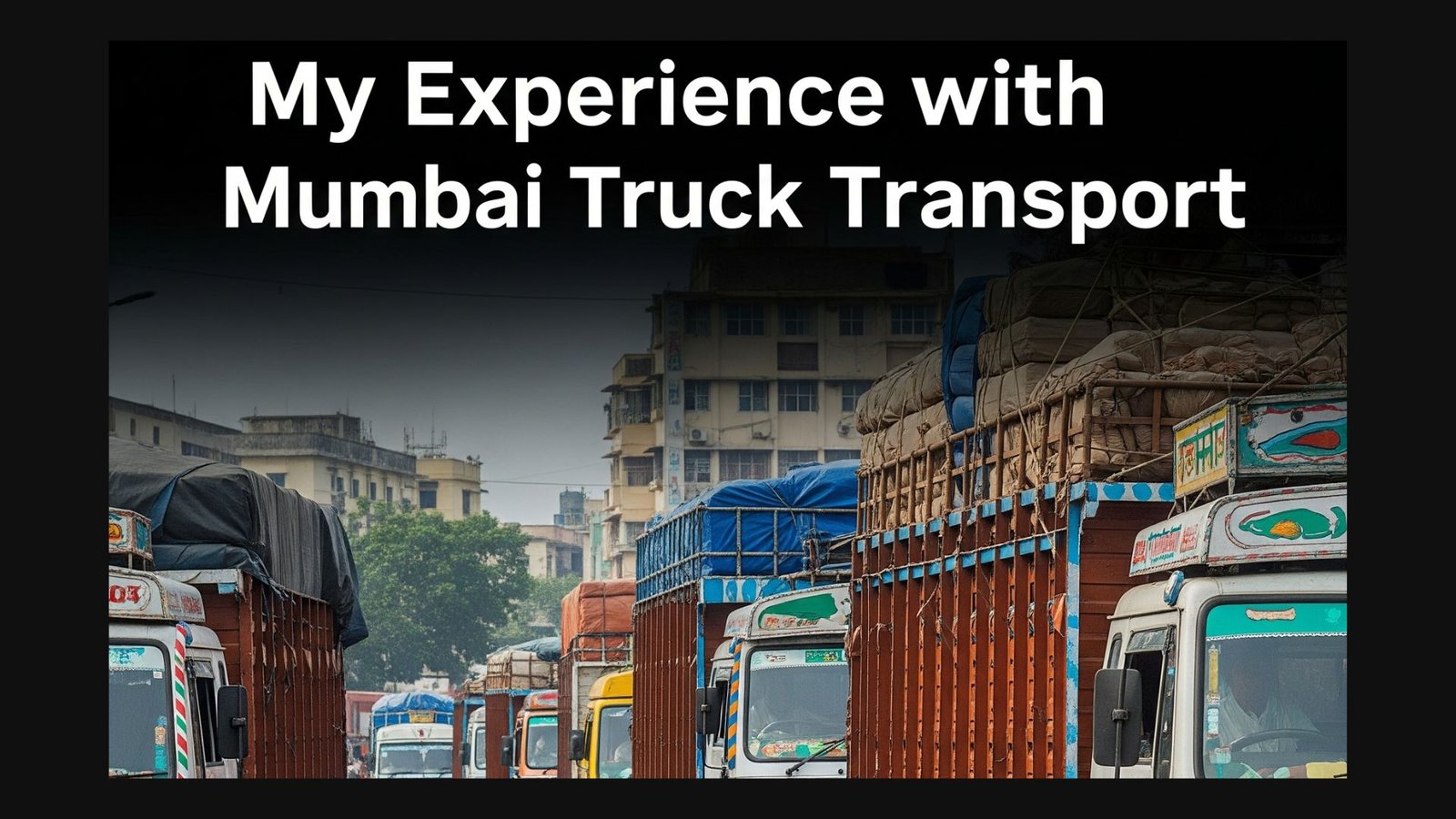
  • Life on the Move: My Experience with Mumbai Truck Transport

    Life on the Move: My Experience with Mumbai Truck Transport

    If you’ve ever lived or done business in Mumbai, you’ll know one thing for sure — this city never stops. From sunrise at the docks to the endless rush of vehicles on the Western Express Highway, Mumbai is always moving. And at the heart of this movement lies something most of us take for granted: truck transport.

    As someone who has been in the logistics and transport scene for a few years now, I’ve come to appreciate just how vital Mumbai truck transport is — not just for industries, but for everyday life.


    Mumbai: A City That Runs on Trucks

    Mumbai isn’t just a metro city. It’s a complex, living network of ports, warehouses, markets, godowns, highways, and business districts. Whether it’s delivering fresh vegetables to Dadar Market or transporting industrial parts from Navi Mumbai to Bhiwandi, trucks are the unsung heroes of this city’s economy.

    From the massive 18-wheelers to the zippy Tata Aces darting through the suburbs, trucks power everything — e-commerce, construction, food supply, pharmaceuticals, and more.


    My First Interaction with Mumbai Trucking

    I still remember my first direct experience booking a truck in Mumbai. I needed to move a small batch of packaged goods from Andheri to Pune. Simple, right? But back then, I had no idea where to begin.

    I found a local transporter’s number scribbled on a warehouse wall in Sakinaka. One call, and within 2 hours, a 14-ft container truck arrived, driver smiling, ready to go. It was efficient, quick, and surprisingly affordable.

    That’s when I realized — Mumbai doesn’t just have trucks, it has an entire culture around transport.


    The Roads, the Routes, the Reality

    Mumbai truck transport isn’t without its challenges. There’s traffic (of course), unpredictable monsoon delays, toll taxes, and time restrictions in certain city zones. But seasoned drivers and logistics planners here have it all figured out.

    I’ve had drivers who knew the exact window when the Eastern Freeway would be less crowded. Others have told me stories of night-long drives from Nhava Sheva port to Nagpur — dodging potholes, traffic, and sometimes, sleep.

    There’s a rugged, real-world intelligence behind Mumbai’s trucking network.


    What I’ve Learned About Mumbai’s Trucking Ecosystem

    • Bhiwandi is a logistics lifeline – The warehousing hub where hundreds of trucks load and unload daily.
    • Chakala, Vashi, and Taloja are hotspots for industrial pickups and drop-offs.
    • Night transport is gold – Many businesses prefer moving cargo at night to avoid daytime congestion.
    • Technology is catching up – GPS tracking, digital freight booking platforms, and real-time PODs (Proof of Delivery) are making operations smarter.

    Conversations with Drivers – Real Stories on the Road

    One of the best parts of working in this space is talking to the drivers. These men (and a growing number of women too) know Mumbai’s pulse better than any map could.

    There was Imran Bhai, who transported garments from Dharavi to Delhi, and Suraj, who could reverse a 32-ft trailer into the narrow lanes of Masjid Bunder with millimeter precision.

    They talk about their lives on the road, the chai spots they swear by on NH-48, and how they’ve seen cities grow through their windshield. It’s more than a job — it’s a way of life.


    The Bigger Picture: Why Mumbai Truck Transport Matters

    For every product that reaches your home or business, there’s likely a truck involved somewhere in the journey. Mumbai’s transport network connects local kirana stores to national highways, ports to production units, and people to progress.

    It’s gritty, it’s fast-paced, and yes, sometimes frustrating. But it works — because behind every truck is a system, and behind every system, someone who shows up every day to keep it running.


    Final Thoughts

    To me, Mumbai truck transport isn’t just about moving goods — it’s about moving lives, stories, and economies. Whether you’re a small business shipping within the city or a manufacturer sending bulk loads across states, the trucking network in Mumbai is your backbone.

    So next time you see a truck driver sipping tea at a highway dhaba or navigating the madness of Sion Circle traffic — give them a nod. They’re doing more for Mumbai than most of us realize.


    Have a transport story of your own? I’d love to hear it. Drop it in the comments or reach out — maybe we’ll share a chai and a story someday.

  • Exploring Trucking Industry Trends: What to Expect in the Future

    Exploring Trucking Industry Trends: What to Expect in the Future

    I’ve been watching the trucking industry evolve for years—and let me tell you, it’s no longer just about diesel engines and long-haul routes. What once felt like a traditional, slow-moving sector is now riding the waves of technology, automation, and sustainability like never before.

    In this post, I want to walk you through the key trends shaping the future of trucking, based on what I’ve seen, read, and experienced working with logistics clients and following this fascinating industry closely.

    1. Telematics and Fleet Digitization

    I remember when fleet management was done with paper logs, Excel sheets, and a whole lot of guesswork. Not anymore.

    Modern fleets are becoming data-driven, using GPS tracking, telematics, and IoT sensors to monitor:

    • Vehicle health
    • Fuel consumption
    • Driver behavior
    • Route efficiency

    This not only reduces downtime and costs but also gives managers real-time visibility into operations. It’s like flying with radar instead of going blind.

    2.  Electrification of Trucks

    When I first heard about electric trucks, I was skeptical. Would they have enough range? What about charging?

    But now, with companies like Tesla, Volvo, and Daimler rolling out electric rigs—and countries pushing for emissions targets—EVs are clearly part of the trucking future.

    Expect to see:

    • Local and regional electric deliveries
    • Government subsidies for clean fleets
    • Charging infrastructure becoming more common along major routes

    It’s not “if” anymore—it’s how fast.

    3. Autonomous Trucking

    Autonomous trucks used to sound like science fiction. Now, I regularly come across pilot programs where driverless trucks are already hauling freight (with supervision, for now).

    Companies like TuSimple, Aurora, and Waymo are testing these vehicles for highway driving.

    We’re not at full automation yet, but we might soon see:

    • Trucks driving long highway segments autonomously
    • Human drivers managing city navigation and loading
    • Reduced fatigue and fewer accidents

    And yes, it’ll change jobs—but I believe it’ll create new ones too, in tech, fleet supervision, and remote operations.

    4. E-commerce and Last-Mile Logistics

    E-commerce is booming, and that puts massive pressure on trucking and delivery systems. I’ve seen the demand for faster, more flexible delivery options skyrocket.

    In response, companies are:

    • Creating micro-fulfillment centers closer to cities
    • Using smaller vehicles for last-mile deliveries
    • Investing in route optimization software to save time and fuel

    The challenge now is speed without sacrificing profitability.

    5. Sustainability and Green Logistics

    Environmental concerns aren’t just for policymakers anymore. Logistics companies are under pressure—from clients and governments—to cut emissions and show responsibility.

    We’re seeing:

    • Carbon tracking dashboards built into fleet software
    • Alternative fuels like hydrogen and biodiesel being tested
    • Eco-driving training for drivers to reduce emissions

    In the next decade, sustainability could be a competitive advantage, not just a compliance checkbox.

    6. AI and Predictive Analytics

    One of the most exciting shifts I’ve noticed? The use of AI to predict and prevent problems.

    With the help of machine learning, companies can:

    • Forecast demand and plan deliveries accordingly
    • Predict maintenance issues before a breakdown happens
    • Optimize fuel usage and route planning

    And the best part? These systems get smarter the more they’re used.

    7. Driver Shortages and Workforce Changes

    It’s no secret: the trucking industry has been dealing with driver shortages for years. The job is tough, long hours are common, and younger generations aren’t as eager to jump behind the wheel.

    To stay ahead, companies are:

    • Improving driver benefits and work conditions
    • Investing in driver-assist technologies to reduce fatigue
    • Offering training for tech skills (yes, today’s drivers use tablets, apps, and more)

    There’s also a growing shift toward upskilling logistics workers to handle software and AI-driven tools.

    Final Thoughts: The Road Ahead

    The trucking industry of tomorrow will be faster, smarter, cleaner, and more connected. Whether you’re a fleet owner, a logistics professional, or just curious about what’s happening on our highways, these changes are exciting—and they’re already underway.

    The trucks may still look the same from the outside, but under the hood (literally and figuratively), they’re transforming fast.

    And if you’re in the industry? Now’s the time to adapt, innovate, and buckle up for the ride.

  • Common Mistakes Truck Drivers Should Avoid (From Someone Who’s Seen It All)

    Common Mistakes Truck Drivers Should Avoid (From Someone Who’s Seen It All)

    I’ve worked with truck drivers for over a decade—some brilliant, some… not so much. Over the years, I’ve seen small slip-ups turn into major delays, damage, fines, or even accidents. And here’s the truth: most of these problems were 100% avoidable.

    Whether you’re new to the road or have millions of kilometers behind you, we all need a reminder now and then. So, here’s my no-fluff list of common mistakes truck drivers should avoid—based on real-world experience, not a training manual.


    1. Skipping the Pre-Trip Inspection

    This is the classic mistake.

    Yes, it takes 10–15 minutes. Yes, you’ve probably driven that truck a hundred times before. But skipping the pre-trip inspection is like flying blind.

    One worn tire. One loose strap. One unnoticed leak. That’s all it takes to ruin your delivery schedule—or worse, cause an accident.

    Lesson: Always check tires, brakes, lights, fluids, and cargo security before moving.


    2. Over-Reliance on GPS

    GPS is great—but it’s not perfect. I’ve seen drivers follow GPS into narrow village roads, low bridges, or restricted zones simply because “the map said so.”

    Real pros combine GPS with route planning, local knowledge, and good judgment. If something looks off, stop and check.

    Avoid roads not suitable for heavy trucks. Look for truck-friendly routing apps.


    3. Poor Cargo Securing

    It’s not just about loading the truck—it’s about securing the load properly. I’ve seen entire pallets shift, glass panels shatter, and even engines fall because someone used the wrong straps or skipped a final check.

    Rule of thumb: If it can move, it will move. Strap it down like your paycheck depends on it.


    4. Ignoring HOS Rules (Hours of Service)

    Fatigue kills. Plain and simple.

    Some drivers try to “make up time” by skipping rest breaks or logging creatively. But violating Hours of Service isn’t just illegal—it’s dangerous for you and everyone else on the road.

    Stick to your logbook. Take the breaks. It’s not weakness—it’s professionalism.


    5. Not Preparing for Weather Changes

    Ever seen a driver stuck in the snow with bald tires or summer wipers? I have—and it’s not pretty.

    Long-haul drivers, especially, need to be ready for rain, fog, snow, and scorching heat—all in one trip.

    Keep emergency gear: chains, water, food, blankets, gloves, a flashlight, and a solid jacket.


    6. Poor Communication with Dispatch

    A silent driver is a risky driver.

    Not updating dispatch about delays, breakdowns, or delivery issues creates a ripple effect of confusion. Your dispatcher is your lifeline—keep them in the loop.

    Even a 10-second call or message can save hours of headache later.


    7. Bad Parking Choices

    Illegal or unsafe parking can lead to tickets, theft, or worse—accidents.

    If it looks shady, it probably is. Use designated truck stops or secure areas. Don’t leave the rig unattended in high-crime zones, and always lock your doors.

    Avoid ramps, shoulders, and underpasses unless it’s an emergency.


    8. Neglecting Personal Health

    You can’t take care of your truck if you don’t take care of yourself.

    Poor diet, no exercise, and irregular sleep wear you down. Eventually, it affects your focus, reflexes, and reaction time.

    Stay hydrated, walk around during breaks, and eat real food when you can. Your body is part of your rig.


    9. Not Asking for Help When Needed

    Pride gets a lot of drivers into trouble. No one knows everything—not the rookie, not the 20-year veteran.

    If you’re unsure about a dock, a route, a schedule—ask. It’s better to ask twice than to screw up once.

    Good drivers stay humble and open to learning.


    Final Thoughts: Smart Drivers Make Smart Decisions

    Mistakes don’t make you a bad driver. Refusing to learn from them does.

    So if you’re reading this and thinking, “Yup, I’ve done that…” — congratulations. You’re already one step ahead of those who think they’ve got nothing left to learn.

    Stay sharp. Stay safe. And always remember: it’s not just about driving the truck—it’s about owning the responsibility that comes with it.


    Mistakes to Avoid

    • Skipping pre-trip inspections
    • Relying only on GPS
    • Poor cargo securing
    • Ignoring rest breaks
    • Not prepping for weather
    • Poor dispatch communication
    • Unsafe parking
    • Ignoring health
    • Being too proud to ask for help
  • Why Truck Dispatch Is the Backbone of Modern Transport Logistics

    Why Truck Dispatch Is the Backbone of Modern Transport Logistics

    When we talk about supply chain management, one thing that often gets overlooked—but is absolutely crucial—is transport logistics. Behind every successful delivery is a complex web of planning, coordination, and decision-making. And right at the center of it all? Truck dispatch.

    Truck dispatch is more than just telling drivers where to go. It’s the nerve center of logistics, responsible for managing routes, schedules, drivers, and shipments. Let’s break down what makes truck dispatch so vital, the core responsibilities involved, the everyday challenges, and the best practices that help logistics teams thrive.


    🚛 Why Truck Dispatch Matters in Transport Logistics

    Think of truck dispatchers as air traffic controllers for ground freight. They’re responsible for making sure goods get from point A to point B quickly, safely, and cost-effectively. In today’s world—where businesses and customers alike expect lightning-fast shipping—efficient dispatching is no longer optional, it’s essential.

    Here’s how solid truck dispatching makes a difference:

    • Reduces transportation costs through smart route planning.
    • Improves delivery timelines with real-time tracking and driver coordination.
    • Boosts customer satisfaction by ensuring shipments arrive as promised.
    • Enhances operational efficiency across the supply chain.

    In short, effective dispatching helps logistics companies stay competitive and keeps customers happy.


    🧭 Core Responsibilities of a Truck Dispatcher

    Truck dispatchers wear many hats. Their job goes far beyond simply assigning deliveries. Here’s a look at their main responsibilities:

    1. Route Planning and Optimization

    Dispatchers map out the most efficient routes for drivers based on traffic, distance, road conditions, and even the weather. Smart routing saves time, fuel, and vehicle wear and tear.

    2. Scheduling Deliveries

    Coordinating when and where deliveries happen is a major task. Dispatchers need to juggle customer demands, carrier availability, and any last-minute changes—all while keeping things on schedule.

    3. Driver Management

    From tracking hours of service to ensuring compliance with safety regulations, dispatchers play a key role in monitoring driver performance. They’re also the go-to for handling any issues on the road—like delays or driver fatigue.

    4. Shipment Tracking

    Thanks to GPS and telematics, dispatchers can track every truck in real-time. This allows them to provide customers with accurate delivery ETAs and instantly react to any unexpected delays.

    5. Problem Solving on the Fly

    Flat tire? Missed pickup? Sudden road closure? Dispatchers are the first line of defense when something goes wrong. They need to think quickly and adapt to keep deliveries on track.


    🚧 Common Challenges in Truck Dispatch

    Even the best dispatchers face a daily barrage of challenges:

    • Tight delivery deadlines
    • Unpredictable weather
    • Traffic jams and road closures
    • Driver shortages
    • Changing customer expectations
    • Strict compliance and safety regulations

    Balancing all these moving parts requires not only experience but also the right tools and strategies.


    ✅ Best Practices for Efficient Truck Dispatch

    Here are some proven ways logistics teams can streamline dispatch operations and handle challenges like pros:

    1. Leverage the Right Technology

    Use GPS tracking, route optimization software, and electronic logging devices (ELDs). These tools reduce manual work, minimize errors, and help you make data-driven decisions.

    2. Standardize Processes

    Clear and documented Standard Operating Procedures (SOPs) help keep operations consistent and reduce miscommunication—especially in fast-paced environments.

    3. Train and Upskill Dispatchers

    Dispatching isn’t something you can “wing.” Regular training ensures dispatchers stay current with industry trends, regulations, and best practices.

    4. Promote Team Communication

    Dispatchers don’t work in isolation. Close communication with drivers, warehouse staff, and customers helps spot potential issues early and encourages transparency.

    5. Track and Analyze Performance

    Metrics matter. By reviewing on-time delivery rates, fuel consumption, driver hours, and more, you can continuously improve dispatch operations and make smarter decisions.


    📦 Real-World Impact: Why This Matters

    Let’s be honest—today’s customers have sky-high expectations. Whether it’s a business receiving raw materials or a consumer waiting on an online order, everyone wants deliveries fast and flawless.

    Efficient truck dispatch:

    • Reduces shipping delays
    • Improves customer trust
    • Saves money across the board
    • Gives your business a competitive edge

    When your dispatch system runs like a well-oiled machine, it reflects across the entire supply chain.


    🏁 Wrapping Up: The Road Ahead for Truck Dispatch

    Truck dispatch might not always be visible, but it’s absolutely vital. It’s the engine that drives efficient transport logistics—from planning routes and managing drivers to solving problems and ensuring on-time delivery.

    Yes, it’s challenging. But with the right people, the right tools, and a commitment to best practices, truck dispatch becomes a powerful advantage in today’s logistics landscape.

    As logistics continues to evolve, the companies that invest in smart dispatch systems and skilled dispatchers will be the ones that deliver more than just packages—they’ll deliver results.

  • How to Find the Best Deals with Online Truck Booking Services

    How to Find the Best Deals with Online Truck Booking Services

    The logistics industry has evolved, and online truck booking services now make it easier than ever to find affordable and reliable transportation. Whether you’re a business owner, freight forwarder, or individual shipper, securing the best deals can save you time and money.

    Here’s a step-by-step guide to finding the best rates and services when booking trucks online.


    1. Compare Multiple Platforms

    Not all online truck booking services offer the same rates. Use multiple platforms to compare prices and services.

    Top Online Truck Booking Services:

    ✔ BlackBuck (India)
    ✔ Porter (Last-mile logistics)
    ✔ Trukky (Full truckload & part-load)
    ✔ Rivigo (Pan-India network)
    ✔ LorryZilla (For SMEs)

    Tip: Check Google Reviews and ratings before choosing a provider.


    2. Book in Advance for Better Rates

    Last-minute bookings often come with higher prices. Planning ahead can help you secure lower rates.

    Best Booking Window:

    • Full Truck Load (FTL): Book 3-7 days in advance.
    • Part Load (LTL): Book 1-2 days ahead.

    Example: A study found that booking at least 72 hours early can save 10-15% on freight costs.*


    3. Use Dynamic Pricing to Your Advantage

    Some platforms adjust prices based on demand.

    When to Book for the Lowest Rates:

    • Early mornings (6 AM – 9 AM)
    • Weekdays (Tuesday-Thursday) (Avoid Monday rush)
    • Avoid peak seasons (Festive months, year-end)

    Pro Tip: Some apps offer discounts during off-peak hours.


    4. Opt for Backload or Return Load Deals

    Many trucks return empty after deliveries. Booking a return load can get you up to 30% cheaper rates.

    How to Find Return Loads:

    • Check truck aggregator apps (BlackBuck, Trukky).
    • Join freight exchange groups on WhatsApp/Facebook.

    Example: A Chennai-based trader saved ₹5,000 per trip by booking return loads.*


    5. Negotiate with Direct Truck Owners

    Bypassing brokers can reduce costs.

    How to Find Direct Truck Owners:

    ✔ Use OLX, TruckGuru, or JustDial.
    ✔ Post requirements on freight marketplaces.

    Negotiation Tip: Ask for long-term partnership discounts if you ship regularly.


    6. Use Subscription or Membership Plans

    Some platforms offer monthly passes or bulk discounts.

    Best Subscription Models:

    • Porter Enterprise Plan (Unlimited bookings at fixed rates).
    • BlackBuck Prime (Priority booking & discounts).

    Example: A Delhi-based retailer saved 12% per shipment with a yearly subscription.*


    7. Check for Hidden Charges

    Some providers add extra fees for:

    • Toll taxes
    • Loading/unloading delays
    • Night charges

    How to Avoid Surprises:

    ✔ Always ask for a detailed breakdown of costs.
    ✔ Prefer all-inclusive pricing models.


    8. Leverage Loyalty Programs & Referral Bonuses

    Many platforms reward frequent users.

    Best Loyalty Programs:

    • Rivigo’s Shipper Rewards (Cashback on repeat bookings).
    • Trukky’s Referral Program (Discounts for bringing new customers).

    Tip: Referring just 3 friends can earn you ₹1,000+ in credits.


    9. Use AI-Powered Freight Matching

    Some platforms use AI to match shipments with the cheapest available trucks.

    Best AI-Based Platforms:

    ✔ FreightFox (Automated pricing).
    ✔ Cogoport (Real-time rate comparisons).

    Fact: AI-matched bookings can be 5-10% cheaper than manual searches.*


    10. Track & Optimize Your Shipments

    Analyzing past bookings helps identify cost-saving opportunities.

    Best Tools for Tracking:

    • BlackBuck’s Analytics Dashboard
    • Trukky’s Freight Insights

    Example: A Mumbai exporter reduced costs by 8% after analyzing peak pricing trends.*


    Final Tips for the Best Deals

    ✅ Compare at least 3 quotes before booking.
    ✅ Avoid peak seasons if possible.
    ✅ Build relationships with reliable transporters.
    ✅ Use cashback offers (Paytm, PhonePe deals).

  • How to Reduce Transportation Costs in Logistics: A Practical Guide

    How to Reduce Transportation Costs in Logistics: A Practical Guide

    Transportation is one of the biggest expenses in logistics, often eating into profit margins. Whether you’re a small business owner, a supply chain manager, or just curious about cost-saving strategies, this guide will help you cut transportation costs without sacrificing efficiency.


    Why Reducing Transportation Costs Matters

    • Higher Profit Margins: Lower costs mean better profitability.
    • Competitive Pricing: Savings can be passed to customers, making your business more attractive.
    • Sustainability: Efficient logistics reduce fuel consumption and carbon emissions.

    1. Optimize Route Planning

    Poor route planning leads to wasted fuel, longer delivery times, and higher labor costs.

    How to Improve:

    ✔ Use GPS & Route Optimization Software (e.g., Google Maps, Route4Me).
    ✔ Avoid Traffic Jams with real-time updates.
    ✔ Cluster Deliveries by location to minimize backtracking.

    Example: A delivery company reduced fuel costs by 15% just by optimizing routes.*


    2. Consolidate Shipments

    Sending half-empty trucks is a waste of space and money.

    How to Improve:

    ✔ Combine Smaller Shipments into full truckloads (FTL).
    ✔ Partner with Other Businesses for shared logistics.
    ✔ Use LTL (Less Than Truckload) Services when full loads aren’t possible.

    Tip: Amazon uses AI to maximize truckload capacity, saving millions annually.*


    3. Choose the Right Transportation Mode

    Not all shipments need fast (and expensive) delivery.

    ModeBest ForCost Efficiency
    Air FreightUrgent, high-value goods❌ Expensive
    Road (Trucking)Short to medium distances✅ Moderate
    RailHeavy, non-perishable bulk items✅ Very cost-effective
    Sea FreightInternational, non-urgent✅ Cheapest

    Example: Switching from air to sea freight for non-urgent imports can cut costs by 70%.*


    4. Maintain Fleet Efficiency

    Poorly maintained vehicles consume more fuel and break down frequently.

    How to Improve:

    ✔ Regular Maintenance (oil changes, tire checks).
    ✔ Use Fuel-Efficient Vehicles (electric/hybrid trucks).
    ✔ Monitor Driver Behavior (harsh braking = higher fuel use).

    Fact: Proper tire inflation alone can improve fuel efficiency by 3%.*


    5. Negotiate Better Carrier Rates

    Many businesses overpay simply because they don’t negotiate.

    How to Improve:

    ✔ Compare Multiple Carriers (UPS, FedEx, DHL, regional providers).
    ✔ Leverage Volume Discounts (commit to long-term contracts).
    ✔ Use Freight Brokers to find the best deals.

    Tip: Renegotiating contracts annually can save 5-10% on shipping costs.*


    6. Implement Warehouse Optimization

    Closer warehouses = shorter (cheaper) delivery routes.

    How to Improve:

    ✔ Use Regional Warehouses to reduce last-mile costs.
    ✔ Automate Inventory Management to avoid stockouts/overstocking.

    Example: Walmart uses strategic warehouse placement to cut delivery expenses.*


    7. Leverage Technology

    Manual processes lead to inefficiencies.

    Best Tools to Use:

    • TMS (Transportation Management System) – Automates freight planning.
    • IoT Sensors – Track fuel usage, vehicle health.
    • AI-Powered Logistics – Predict demand, optimize routes.

    Fact: Companies using AI in logistics see up to 20% lower costs.*


    8. Train Drivers for Fuel Efficiency

    Driver habits impact fuel consumption.

    How to Improve:

    ✔ Avoid Idling (1 hour of idling = 1 gallon of wasted fuel).
    ✔ Encourage Smooth Driving (gradual acceleration/braking).

    Example: UPS trains drivers to avoid left turns, saving 10 million gallons of fuel yearly.*


    9. Consider Outsourcing Logistics

    If managing transport in-house is too costly, 3PL (Third-Party Logistics) providers can help.

    Benefits:

    ✔ Lower overhead costs.
    ✔ Access to better shipping rates.
    ✔ Scalability during peak seasons.

    Example: Many e-commerce brands use ShipBob, Flexport, or FedEx Fulfillment to cut costs.*


    Final Thoughts

    Reducing transportation costs isn’t about cutting corners—it’s about working smarter. By optimizing routes, consolidating shipments, maintaining fleets, and leveraging technology, businesses can save thousands annually while improving service quality.

    Which strategy will you try first? Let me know in the comments! 🚛💨

  • 5 Essential Elements in Logistics Services Transportation – A Personal Perspective

    5 Essential Elements in Logistics Services Transportation – A Personal Perspective

    Logistics isn’t just about moving goods from point A to point B—it’s an intricate dance of efficiency, technology, and problem-solving. Over the years, I’ve seen how the right logistics strategy can make or break a business. Whether you’re a small e-commerce store or a large-scale distributor, mastering these five essential elements will keep your operations smooth and your customers happy.

    1. Smart Fleet Management (The Backbone of Logistics)

    A well-managed fleet is like a well-oiled machine. I remember working with a local delivery startup that struggled with constant breakdowns and delays. The game-changer? Real-time tracking and preventive maintenance. Investing in telematics and driver training reduced downtime by 40%.

    Key Takeaways:
    ✔️ GPS tracking for route optimization
    ✔️ Regular vehicle maintenance schedules
    ✔️ Driver performance monitoring

    2. Advanced Tracking Technology (No More Guessing Games!)

    Gone are the days of “Where’s my shipment?” frustrations. I once ordered a limited-edition item that got “lost” in transit—turns out, the seller had no real-time tracking. Modern logistics thrives on IoT, RFID, and AI-powered tracking systems that provide end-to-end visibility.

    Why It Matters:
    📌 Customers demand transparency
    📌 Reduces theft and misrouted packages
    📌 Enables proactive problem-solving

    3. Last-Mile Delivery Solutions (The Final Hurdle)

    Ah, last-mile delivery—the trickiest part of logistics. I’ve seen businesses lose customers simply because of late or failed deliveries. Companies like Amazon and FedEx excel here because they use micro-fulfillment centers, local couriers, and even drones to speed up the final stretch.

    Pro Tips:
    🚚 Use smaller, agile vehicles for urban deliveries
    📦 Offer flexible delivery options (lockers, pick-up points)
    🤖 Explore automation where possible

    4. Cost Control & Efficiency (Because Every Penny Counts)

    Logistics can be a money pit if not managed properly. I once consulted for a mid-sized retailer drowning in fuel and labor costs. By consolidating shipments, optimizing routes, and negotiating carrier contracts, we cut expenses by 25%.

    Ways to Save:
    💰 Bulk shipping discounts
    🔄 Backhaul optimization (no empty return trips!)
    📊 Data analytics to identify waste

    5. Customer-Centric Approach (The Ultimate Differentiator)

    At the end of the day, logistics is about people. I’ll never forget a client who switched suppliers just because of poor delivery communication. A seamless, transparent, and responsive logistics experience builds loyalty.

    How to Excel:
    💬 Proactive delivery updates (SMS/email alerts)
    🔄 Easy returns process
    ⭐ Personalized delivery preferences

    Final Thoughts

    Logistics isn’t just a backend operation—it’s a competitive advantage. Whether you’re a business owner or a logistics manager, focusing on these five elements can transform your supply chain from chaotic to streamlined.

    What’s your biggest logistics challenge? Let’s discuss in the comments!

  • Top 5 Benefits of Heavy-Duty Truck Rentals

    Top 5 Benefits of Heavy-Duty Truck Rentals

    Heavy-duty truck rentals offer numerous advantages for businesses and individuals needing temporary or flexible transportation solutions. Here are the top 5 benefits of renting heavy-duty trucks:

    1. Cost Savings

    • Avoid large upfront costs of purchasing a truck.
    • No long-term maintenance, insurance, or storage expenses.
    • Pay only for the rental period needed.

    2. Flexibility & Scalability

    • Rent trucks as needed for seasonal demand, special projects, or peak business periods.
    • Choose different truck types (dump trucks, flatbeds, refrigerated trucks, etc.) based on specific needs.

    3. Access to Modern, Well-Maintained Vehicles

    • Rental fleets are regularly serviced and updated, ensuring reliability.
    • Avoid breakdowns with newer, high-performance trucks.

    4. No Depreciation or Resale Worries

    • Renting eliminates the risk of asset depreciation.
    • No need to deal with selling or trading in old trucks.

    5. Convenience & Reduced Administrative Hassles

    • Skip long-term financing and registration paperwork.
    • Many rental companies offer quick booking, roadside assistance, and flexible rental terms.

    Bonus Benefit: Try Before You Buy

    • Renting allows businesses to test different truck models before making a purchase decision.

    Heavy-duty truck rentals are ideal for construction, logistics, agriculture, and other industries requiring powerful, temporary hauling solutions.