Trusted Container Logistics for All Your Freight Needs
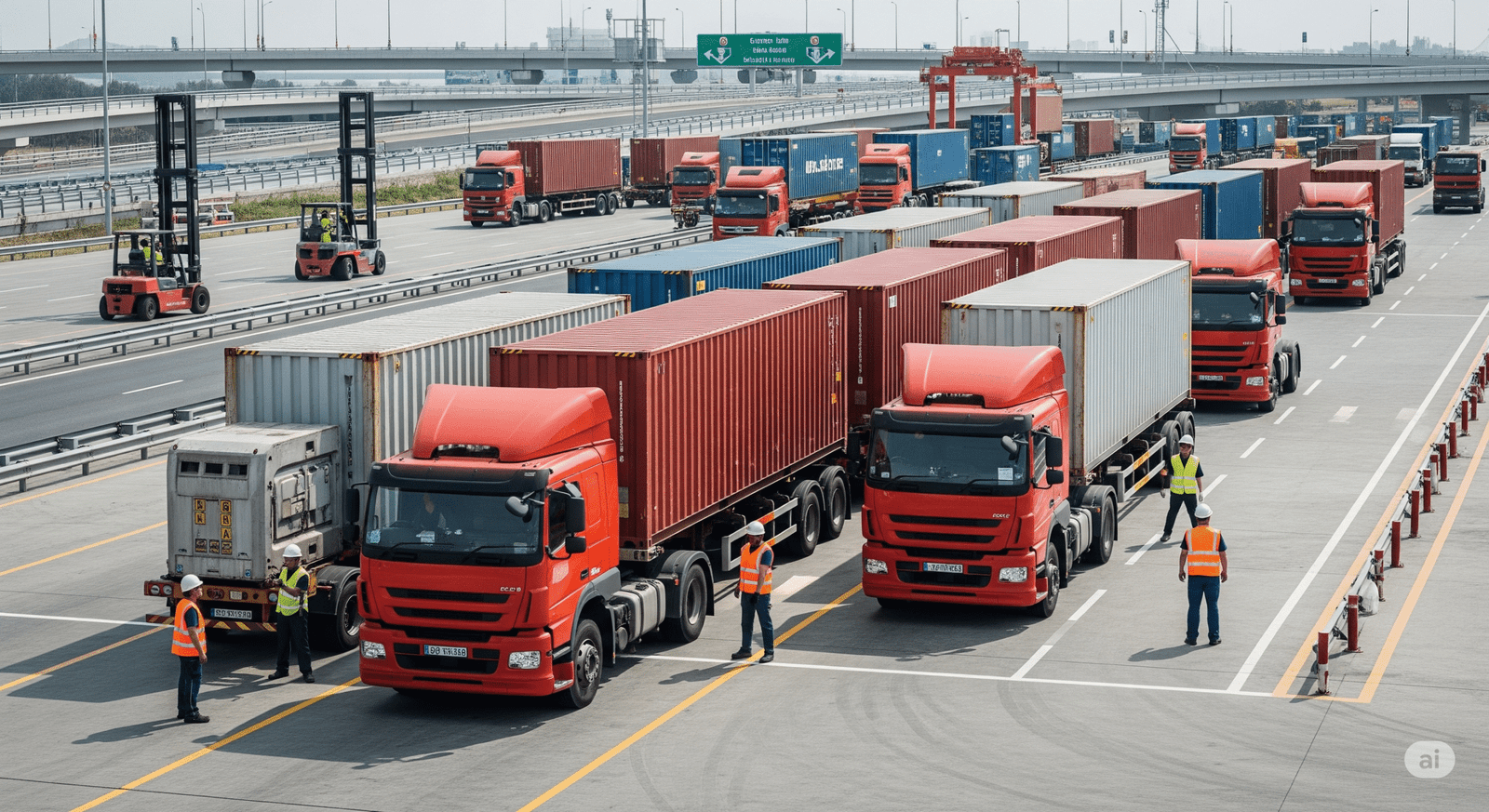
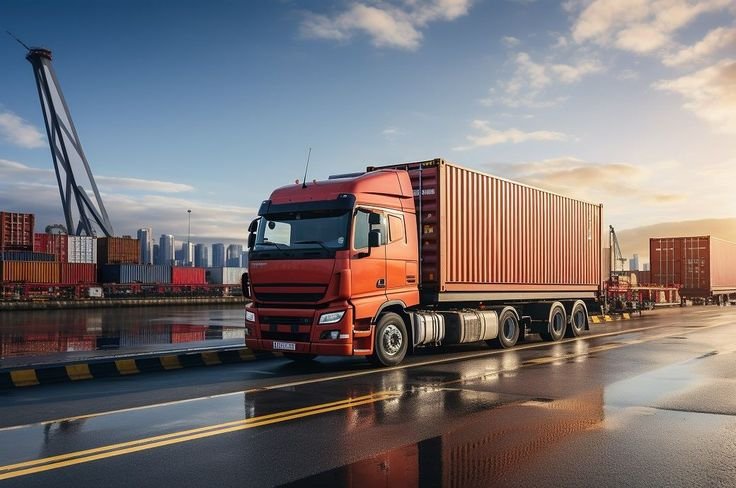
Looking for a dependable container truck transport service across India? We specialize in the secure movement of 20 ft, 32 ft, and 40 ft containers for industries such as manufacturing, FMCG, e-commerce, automotive, and more. Whether it’s port-to-warehouse or warehouse-to-retail, we ensure safe, on-time, and cost-efficient delivery.
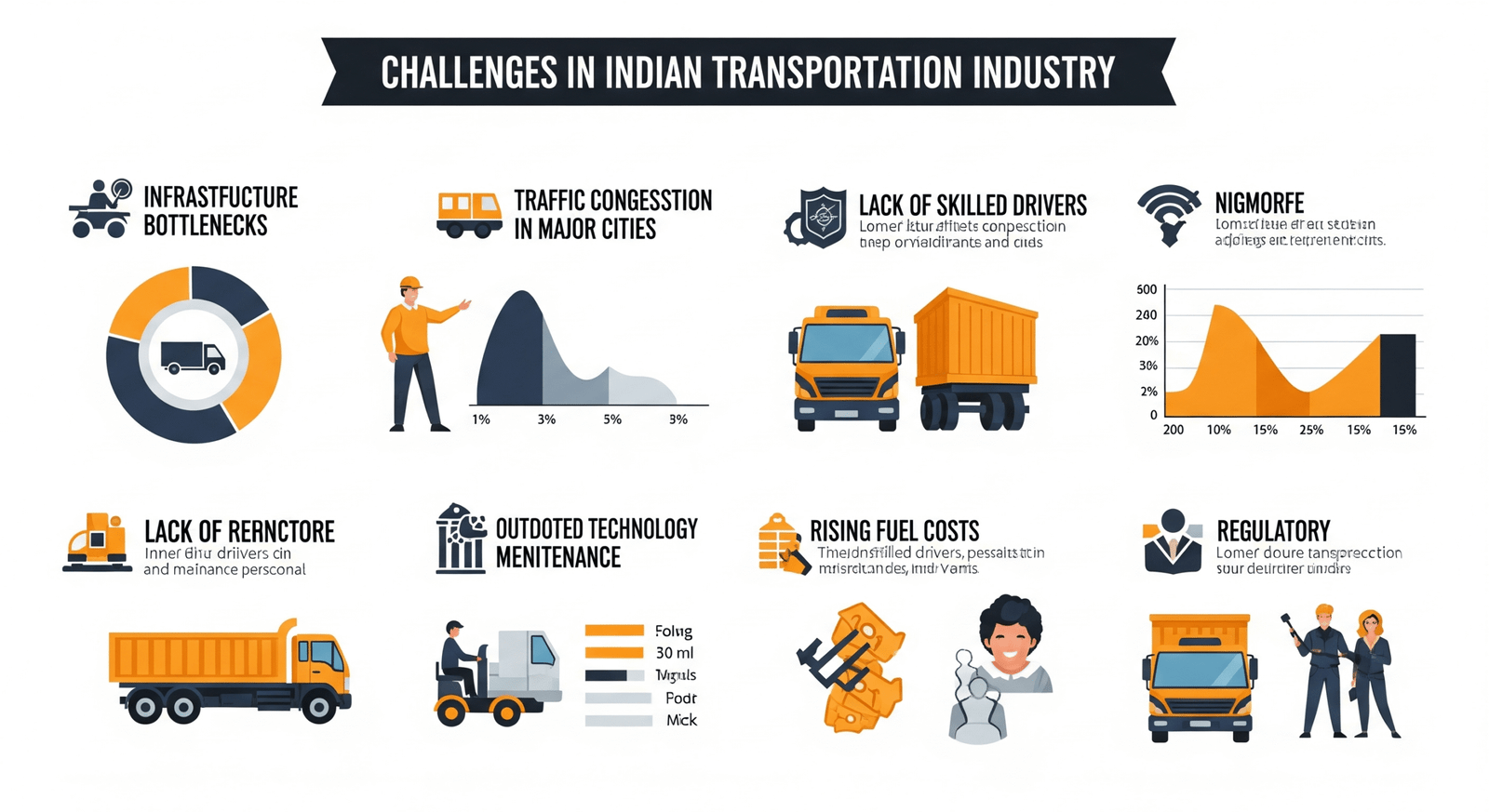
India’s transportation industry is the backbone of its economy, responsible for moving billions of tonnes of goods annually across vast geographical terrains. However, shippers in India often face multiple challenges that can disrupt supply chains, inflate costs, and affect delivery timelines. Understanding these obstacles and adopting strategic solutions is essential for smooth operations.
1. Poor Infrastructure
Challenge: Despite significant improvements, many highways, rural roads, and intermodal facilities still suffer from poor maintenance, congestion, and bottlenecks.
Solutions:
Route Optimization: Use GPS-enabled route planning tools to avoid poorly maintained routes and minimize travel time.
Collaborate with 3PLs: Partner with experienced third-party logistics providers who have better knowledge of alternate routes and access to multimodal transport networks.
2. Lack of Digitization
Challenge: Many transport operations still rely on paper documentation and manual processes, leading to inefficiencies and data errors.
Solutions:
Adopt TMS (Transport Management Systems): Integrate digital platforms to manage bookings, documentation, tracking, and analytics.
Use eWay Bill System Smartly: Automate eWay bill generation to avoid delays and ensure compliance.
3. Unpredictable Delivery Timelines
Challenge: Due to traffic congestion, route blockages, or local events, on-time delivery is often a hit or miss.
Solutions:
Real-Time Tracking: Implement IoT and telematics solutions to get live updates on shipment status.
Buffer Planning: Include reasonable buffer times in planning, especially during peak seasons or adverse weather forecasts.
4. Driver Shortage and Training Gaps
Challenge: There is a growing scarcity of trained and reliable drivers, coupled with poor working conditions.
Solutions:
Incentive Programs: Work with transporters that offer driver retention and incentive programs.
Onboarding Checks: Conduct proper verification and training sessions for hired transport partners to maintain service quality.
5. Regulatory and Compliance Issues
Challenge: Complex state-wise permits, toll systems, and tax compliance (like GST and road taxes) can delay shipments.
Solutions:
Work with Compliant Partners: Choose logistics partners with strong regulatory compliance frameworks.
Challenge: Freight charges, fuel costs, tolls, and warehousing expenses contribute to high logistics costs in India.
Solutions:
Consolidated Shipping: Opt for full truckload (FTL) where feasible instead of multiple partial loads.
Contract Negotiation: Build long-term relationships with carriers for better pricing models.
7. Security and Cargo Theft
Challenge: Cargo theft and pilferage remain concerns, especially in transit through unsecured areas.
Solutions:
Install GPS and Geofencing: Track movements and get alerts on route deviations.
Secure Packaging and Insurance: Use tamper-proof packaging and comprehensive insurance policies to reduce risk.
8. Lack of Visibility Across the Supply Chain
Challenge: Shippers often struggle to get end-to-end visibility into their shipments, leading to poor customer communication.
Solutions:
Supply Chain Visibility Tools: Adopt platforms that provide dashboards with real-time updates, milestones, and exceptions.
Collaborative Portals: Use digital platforms to communicate with vendors, transporters, and customers seamlessly.
Final Thoughts
While the Indian transportation industry presents several challenges, the right mix of technology, partnerships, and strategic planning can help shippers navigate these hurdles. By embracing digital transformation and working with reliable partners, businesses can not only reduce costs but also improve delivery efficiency and customer satisfaction.
In the world of commerce and operations, the terms logistics and supply chain management (SCM) are often used interchangeably. While they are closely related, they are not the same. Understanding their differences is critical for business owners, logistics professionals, and even consumers who rely on timely delivery of goods and services.
This article breaks down the fundamental differences between logistics and supply chain management, their individual roles, and how they contribute to business success.
What is Logistics?
Logistics refers to the process of planning, executing, and managing the efficient movement and storage of goods, services, and information from the point of origin to the point of consumption.
Key Functions of Logistics:
Transportation of goods
Warehousing and storage
Inventory management
Order fulfillment
Packaging and labeling
Reverse logistics (returns handling)
Goal: Deliver the right product, to the right place, at the right time, in the right condition, at the lowest cost possible.
What is Supply Chain Management (SCM)?
Supply Chain Management is a broader concept. It involves the strategic coordination of all parts of the supply chain, from raw material procurement to final product delivery to the customer.
Key Components of SCM:
Supplier relationship management
Production planning and scheduling
Logistics and distribution (logistics is a part of SCM)
Includes external partners like suppliers and third-party logistics
Example
Ensuring a product reaches the customer in 3 days
Managing supplier contracts, optimizing delivery networks, minimizing costs and delays
How Logistics Fits Into the Supply Chain
Think of logistics as a subset of supply chain management. SCM is the architecture, and logistics is a key pillar within that structure.
Without effective logistics, the supply chain breaks down.
Without strategic supply chain planning, logistics can’t be optimized for long-term performance.
Real-World Example
Let’s take a simple example of a smartphone manufacturing company:
Supply Chain Management: Handles raw material procurement (metals, glass), production timelines, supplier negotiations, global shipping, customs compliance, and overall demand forecasting.
Logistics: Manages warehouse operations, final distribution to retail stores or customers, reverse logistics for returns, and real-time delivery tracking.
Both functions are interdependent, yet serve different roles.
Why Understanding the Difference Matters
For businesses:
Helps assign the right teams and tools for operational vs. strategic functions.
Improves cost control and performance.
Enhances customer satisfaction through better delivery and service models.
For professionals:
Builds clearer career paths (e.g., logistics manager vs. supply chain analyst).
Helps upskill in the right domain—execution vs. optimization.
For consumers:
Creates awareness about what goes on behind getting a product delivered.
Conclusion
While logistics is focused on the movement and storage of goods, supply chain management encompasses a broader scope involving strategic planning, sourcing, and coordination across the entire value chain.
Understanding these differences helps businesses operate more efficiently and competitively in today’s fast-paced global market.
When I first started managing logistics for my business, I underestimated the power of an optimized supply chain. It wasn’t until I faced multiple delays, rising costs, and customer complaints that I realized how crucial efficient goods transport services are to a company’s success. In today’s competitive market, optimizing your supply chain isn’t just a goal—it’s a necessity.
Here’s a personal look at how embracing efficient transport solutions transformed my logistics process—and how you can do the same.
The Hidden Cost of Inefficiency
At one point, I was dealing with multiple transport vendors, scattered shipment tracking, and little visibility into delivery timelines. I was bleeding money through fuel wastage, underutilized truck space, and last-mile delivery failures. Not to mention the lost customers due to delayed shipments.
Lesson learned: Inefficient transport doesn’t just hurt your operations—it damages your reputation.
Step 1: Analyze and Audit Your Current Supply Chain
The first step in optimizing my supply chain was doing a complete audit of existing transportation practices:
How much time was spent in transit?
Were goods often delayed or damaged?
Was truck capacity being fully utilized?
Were we selecting the right routes?
This data gave me a clear picture of where things were going wrong.
Tip: Use logistics software or consult a transport service provider that offers visibility tools and analytics.
Step 2: Choose the Right Transport Partner
This was a game-changer.
I partnered with a transport company that provided:
Reliable transport partners make it easier to plan inventory, fulfill orders on time, and reduce emergency shipping costs.
Pro Tip: Don’t just go for the cheapest service—look for value. A little extra spent on dependable logistics pays off in reduced delays and smoother operations.
Step 3: Embrace Technology
One of the smartest moves I made was integrating a transport management system (TMS). This allowed me to:
Automate shipment booking and documentation
Optimize routes using real-time traffic data
Track consignments live
Get performance reports to spot bottlenecks
Even small businesses can now access affordable logistics tech that was once exclusive to large enterprises.
Step 4: Consolidate Shipments
Earlier, we were shipping partial loads multiple times a week. By consolidating shipments and planning better, we cut down costs and improved delivery efficiency.
Batching shipments based on routes and delivery zones ensured that trucks were fully loaded, saving fuel and manpower.
Bonus tip: Work closely with your transport provider—they often offer solutions like load pooling with other businesses.
Step 5: Monitor KPIs and Stay Agile
Continuous improvement is the secret to long-term efficiency.
I now track key logistics KPIs like:
On-time delivery rate
Freight cost per unit
Order cycle time
Return shipment rate
If any number starts slipping, I can act fast—whether it’s re-negotiating delivery timelines, changing transport modes, or even reworking the warehouse dispatch strategy.
Real Impact of Optimized Transport Services
After restructuring my transport strategy:
✅ Delivery time improved by 28% ✅ Freight costs reduced by 15% ✅ Customer satisfaction score increased dramatically ✅ Emergency shipment costs nearly vanished
These aren’t just numbers—they’re a reflection of how smarter transport services directly drive business growth.
Final Thoughts
Transport may be just one part of your supply chain, but it has a ripple effect on inventory management, customer experience, and profitability.
If I can offer one piece of advice—it’s this: Treat your transport service as a strategic partner, not just a vendor. Invest time in selecting the right provider, use data to make informed decisions, and don’t be afraid to evolve your logistics strategy with the times.
Optimizing your goods transport is not a luxury—it’s your competitive edge.
The logistics industry in India is experiencing rapid growth, becoming one of the key pillars supporting the nation’s expanding economy. This sector includes various segments such as transportation of goods, warehousing, packaging, labeling, tracking, and value-added services. It also relies heavily on third-party logistics (3PL) providers that offer flexible and scalable transport solutions to meet increasing customer demands.
In recent years, the sector has seen a surge in startups leveraging modern technology to optimize operations. While the industry is still fragmented with many small players, the overall trajectory remains upward.
The E-Commerce Boom: A Game Changer
One of the most significant drivers behind this growth has been the rise of online shopping, which accelerated dramatically after the COVID-19 pandemic. As people turned to online platforms for essentials during lockdowns, businesses quickly adapted to the digital model to survive and serve customers.
This shift gave logistics companies a massive push. Giants like Amazon and Flipkart expanded their delivery networks rapidly and required strong logistics partnerships to ensure safe and timely deliveries. Even small and local businesses began reaching customers across India, thanks to improved delivery services.
To meet this demand, logistics providers began offering customized solutions for e-commerce:
Advanced warehouse management
Real-time tracking
Order fulfillment services
Reverse logistics
The competitive e-commerce environment also gave rise to innovations like same-day delivery, quick commerce, and express shipping, further fueling demand for efficient logistics solutions.
Embracing Digital Transformation
Technology has reshaped logistics operations in India. Today, companies are adopting smart tools and platforms to boost speed, accuracy, and transparency. Here’s how:
GPS & Telematics: Real-time tracking, optimized routing, and improved safety.
AI & Machine Learning: Predictive analytics for inventory, demand forecasting, and delivery times.
Cloud-Based Systems: Seamless communication and coordination across the supply chain.
Mobile Apps & Digital Payments: Enabling contactless, convenient deliveries.
Automated Warehouses: Faster sorting and order processing with minimal errors.
Blockchain: Secure, tamper-proof records across logistics networks.
According to reports, digitization in the Indian logistics market is expected to grow from $17.63 billion in 2023 to $34.85 billion by 2031, signaling a major shift in how logistics is managed and delivered.
Infrastructure Development & Government Support
Government initiatives have played a critical role in this transformation. Major projects like Bharatmala, Sagarmala, and the National Logistics Policy are focused on enhancing multimodal connectivity, reducing logistics costs, and improving turnaround times.
By investing in highways, ports, railways, and logistics parks, the government is actively addressing bottlenecks and improving the ease of doing business. These efforts attract foreign and domestic investments while making the supply chain ecosystem more competitive and cost-effective.
Challenges on the Road
Despite the momentum, the logistics industry faces a few persistent challenges:
Urban congestion delaying deliveries
Regulatory complexity across states
Sustainability pressures with rising emissions
High fuel and operational costs
Lack of skilled workforce in remote areas
However, the industry’s resilience and adaptability have been impressive—especially during the pandemic. Logistics companies quickly introduced:
Safety protocols for delivery staff
Contactless deliveries
Alternative delivery routes for remote locations
Remote operations and training for frontline workers
Economic Impact & Job Creation
The logistics industry is not only vital for business operations but also for the broader Indian economy. It contributes significantly by:
Creating employment across roles—drivers, warehouse staff, IT professionals, fleet managers, and more
Enabling the growth of SMEs and manufacturers by improving supply chains
Attracting foreign direct investment
Reducing logistics costs, making Indian goods more competitive in global markets
Its growing importance as an economic enabler cannot be overstated.
Conclusion: A Roadmap for the Future
In recent years, the logistics sector in India has evolved from a traditional transport function into a modern, tech-enabled industry. With e-commerce expansion, digital transformation, and government support driving growth, the future of logistics looks promising.
Despite its challenges, the sector has shown exceptional adaptability and innovation. As investments in infrastructure and technology continue, the logistics industry will play a central role in India’s journey toward becoming a global economic powerhouse.
A Personal Reflection on the Roadblocks and the Road Ahead
Growing up in India, I’ve always been fascinated by the chaos and rhythm of our roads. From jam-packed auto rides to dusty state buses and overcrowded trains, transportation has been both a lifeline and a daily struggle for millions—including myself. But in recent years, especially as we step into 2025, I’ve begun to notice signs of meaningful change.
India’s transport system is still far from perfect, but it’s evolving. And in this post, I want to take a step back and reflect on the problems I’ve seen, experienced, and even cursed under my breath—and also spotlight the solutions that are finally giving us a glimmer of hope.
Problem #1: Traffic Congestion – A Daily Struggle
I live in a tier-1 city, and honestly, driving anywhere during rush hour feels like going into battle. The traffic is suffocating, unpredictable, and mentally draining. What should be a 20-minute drive often turns into a 90-minute crawl.
2025 Solution:
City planning is finally catching up. With AI-powered traffic lights, real-time traffic monitoring, and the expansion of metro networks, things are improving. I recently tried the newly extended metro line in my city, and it cut my daily commute by more than half. There’s also a noticeable shift towards carpooling apps and bike taxis that reduce the number of vehicles on the road.
Problem #2: Poor Road Conditions – A Constant Bump in the Journey
Whether it’s potholes after the monsoon or incomplete highway work, bad roads have been a constant frustration. I’ve had tires burst, scooters skid, and even minor accidents because of uneven or broken roads.
2025 Solution:
Thanks to smart road monitoring systems, many states are using drone inspections and predictive maintenance to identify and fix road issues before they become hazards. The Bharatmala Project is also boosting highway quality, and I must admit—the newly built stretches of national highways feel like you’re driving in another country.
Problem #3: Overcrowded Public Transport
Buses and local trains in Indian cities, especially Mumbai and Delhi, are packed to the brim. I’ve spent mornings standing on one foot in a crowded metro, trying to breathe in what little oxygen I could find.
2025 Solution:
This year, there’s a push toward electrified, modular buses with real-time tracking. I recently boarded one of the new low-floor electric buses equipped with Wi-Fi and automatic fare collection—it felt like a whole new experience. More cities are also adopting smart ticketing systems, so no more long queues or manual passes.
Problem #4: Last-Mile Connectivity – Always a Missed Link
Even if you manage to reach the metro or a bus stop, getting from there to your home is a challenge—especially in smaller towns and suburban areas.
2025 Solution:
EV rickshaws, on-demand shuttle services, and app-based bike rentals are helping bridge this gap. In my area, there’s a new partnership between metro services and e-scooter providers that lets you unlock a ride right outside the station. It’s game-changing for someone like me who doesn’t want to spend ₹300 on a cab every day.
Problem #5: Logistics & Freight Inefficiency
Being a small business owner, I’ve faced serious delivery delays due to disorganized freight transport and lack of reliable truck booking.
2025 Solution:
This has been one of the most exciting areas of growth. Online truck booking platforms, real-time tracking, and digitized paperwork have turned a corner in Indian logistics. I can now schedule and track deliveries without endless phone calls or negotiations—and customers are happier, too.
Problem #6: Pollution & Carbon Emissions from Transport
Let’s not forget the environmental cost. Our cities are choking, and vehicles contribute a huge chunk to air pollution.
2025 Solution:
Electric mobility is no longer just a buzzword. From e-autos to EV two-wheelers and cabs, the transformation is real. I switched to an electric scooter last year, and apart from the initial range anxiety, it’s been incredibly economical and green. Government subsidies and EV charging infrastructure have made this shift more accessible than ever.
Final Thoughts: The Road Ahead
India’s transportation system is a mix of ambition and struggle. The problems haven’t vanished overnight—but the intent to solve them is stronger than I’ve ever seen. In 2025, we’re no longer just coping—we’re adapting, evolving, and innovating.
I used to think “this is just how India is.” But now, I believe we’re on the cusp of a smarter, cleaner, and more humane transport future. And that gives me hope—not just as a commuter, but as a citizen.
When I first heard about online truck booking platforms in India, I was skeptical. Like many others in the logistics and transportation space, I was used to the traditional model—calling transport agents, negotiating endlessly, and hoping the truck actually showed up on time. The idea of booking a truck online felt too good to be true.
But fast forward to today, and I can confidently say the logistics game has changed—dramatically. And it’s high time we talk about it, clear the air around common myths, and reveal what actually goes on behind the screen.
My Journey into Digital Trucking
My first attempt at online truck booking happened out of desperation. It was the middle of a festival season, and I needed to transport goods urgently from Delhi to Patna. Every local transporter I called was either fully booked or charging way above market rates. In a last-ditch effort, I tried an online truck booking app. To my surprise, the process was fast, smooth, and way more transparent than I’d imagined.
Myth #1: Online Truck Booking Is Only for Big Businesses
Reality: This is one of the most common misconceptions. Many people think only large-scale logistics companies or eCommerce giants use these platforms. But I was just a mid-sized trader trying to move inventory. These platforms are designed to serve businesses of all sizes—even individuals with one-time needs. Whether you’re moving furniture across cities or sending bulk orders to clients, online platforms are incredibly accessible.
Myth #2: The Prices Are Higher Than Offline Deals
Reality: At first glance, the prices may seem slightly higher—but here’s the truth: you’re paying for transparency, reliability, and safety. No hidden charges. No last-minute cancellations. Plus, once you factor in the fuel tracking, GPS monitoring, real-time updates, and customer support, the value far outweighs the cost.
In my case, I saved money by avoiding unnecessary delays and negotiating stress.
Myth #3: Drivers Don’t Trust These Platforms
Reality: Yes, there was hesitation initially, especially among traditional truck drivers. But things are changing. Many drivers I spoke with appreciated the digital system because they get faster payments, more consistent work, and don’t have to wait around at transport hubs for bookings.
One truck driver even told me, “Earlier, I had to wait two days for a load. Now, I get 2–3 bookings a week just through the app.”
Myth #4: You Can’t Track Your Shipment Properly
Reality: This was a major concern for me too. But most leading platforms today offer real-time GPS tracking, updates via SMS or app notifications, and even 24/7 helplines. I was able to track the truck from loading to delivery—something I never thought possible with such ease.
Myth #5: It’s Complicated and Tech-Heavy
Reality: If you can use WhatsApp, you can use these platforms. The apps are user-friendly, usually available in multiple Indian languages, and often come with phone support. In fact, one company even helped me make my first booking step-by-step over a call.
What I’ve Learned
Online truck booking in India isn’t just a trend—it’s a logistics revolution. The combination of digital efficiency, better pricing transparency, and higher reliability is transforming how goods move across the country. Of course, no system is perfect. There are still areas for improvement like better driver onboarding, local awareness, and smoother payment resolutions.
But if you’ve been holding back due to outdated perceptions or fear of the unknown, trust me—it’s worth trying.
Final Thoughts
The Indian logistics sector is undergoing a massive digital transformation, and online truck booking is right at the center of it. As someone who transitioned from traditional methods to tech-driven platforms, I’ve seen the difference firsthand. It’s not just more efficient—it’s smarter, safer, and surprisingly simple.
If you’ve been skeptical, I hope this post gives you a little nudge to explore the digital side of logistics. Your future deliveries may just thank you for it.
Truck transportation serves as the lifeline of India’s logistics network, with over 70% of the country’s freight being transported by trucks. Whether you are a business owner managing shipments or an individual relocating across states or cities, grasping the nuances of truck transportation charges in India is crucial for effective budgeting.
In this blog post, we will explore the cost structure of truck transportation offered by logistics companies in India and outline the key factors you need to understand regarding truck transport pricing in the region.
Average Truck Transportation Charges in India
The truck transportation charges in India vary widely depending on the type of goods, distance, and truck capacity. On average:
Full Truck Load (FTL): ₹50–₹100 per kilometer for a 20-ton truck.
Part Truck Load (PTL): ₹1,500–₹3,500 per ton for distances up to 500 km.
However, these are estimated figures of transport charges. Let’s dive deeper into the factors that shape truck transport price in India.
Estimated Truck Transportation Charges in India (Per Km Cost)
About truck transport rate per ton per km in India –
Truck Type
Capacity
Approx. Distance (Km)
Per Km Rate (₹)
Ideal For
Mini Truck (Pickup)
500 kg – 2 ton
Local (0-100 km)
₹10 – ₹18
Small goods, local deliveries
Tata Ace / Small Truck
0.5 – 1.5 ton
Short (100-300 km)
₹12 – ₹20
Retail goods, lightweight cargo
LCV (1-5 Ton)
1 – 5 ton
Medium (300-800 km)
₹15 – ₹25
E-commerce, perishable goods
6-Wheeler Truck
9 – 11 ton
Medium-Long (800-1200 km)
₹20 – ₹30
Industrial goods, machinery
10-Wheeler Truck
16 – 20 ton
Long (1200+ km)
₹25 – ₹40
Bulk cargo, construction material
Multi-Axle Truck
25 – 40 ton
Pan-India
₹35 – ₹55
Heavy machinery, large shipments
Container Truck
20 – 40 FT
Interstate/Ports
₹50 – ₹80
Import/export, oversized cargo
Notes: Freight Charges very from State to state this is only en estimate.
Factors Affecting Rates: Fuel prices, tolls, driver charges, seasonality (monsoon hikes), and route (hilly vs. highway).
Discounts: Negotiable for round trips or long-term contracts.
Key Factors That Impact the Truck Transport Price in India
Truck transport prices in India are dynamic and can fluctuate slightly based on various factors, including the brand or type of truck used. Several key elements influence the overall transportation cost — from the distance the goods need to travel to the nature of the items being shipped. Understanding these factors can help you make more accurate and informed estimates of truck transport charges.
1. Distance and Route
Distance is one of the most significant factors affecting truck transportation costs. While longer journeys typically result in higher overall charges, the cost per kilometer often decreases over extended distances. However, routes that involve toll roads, challenging terrain, or remote destinations can lead to additional expenses.
2. Type of Goods
Fragile, hazardous, or perishable goods demand special handling, appropriate insurance, and necessary permits, all of which can increase transportation costs. For example, if you’re shipping electronics, be prepared to pay more compared to transporting less sensitive items like textiles or raw materials.
3. Fuel Prices
Fuel makes up around 50–60% of a truck’s operating expenses, making it a major factor in transportation pricing. In India, fluctuations in diesel prices have a direct impact on truck transport rates. For example, a ₹5 rise in diesel prices can increase transport costs by ₹2 to ₹3 per kilometer.
4. Seasonal Demand
During monsoons and festive seasons like Diwali, demand for truck transportation surges, often driving rates up by 20–30%. Scheduling shipments during off-peak periods can help you significantly reduce costs.
5. Truck Type and Capacity
Larger trucks, such as 20-tonners, have higher upfront costs but are more cost-effective for bulk shipments. On the other hand, smaller trucks (6–10 tons) are ideal for shorter distances but tend to be more expensive per ton of cargo.
6. Regulatory Costs
E-way bills, toll charges, and state-specific permits contribute significantly to truck transportation costs in India. For instance, interstate permits alone can range from ₹2,000 to ₹5,000 per trip, adding to the overall expense.
Smart, Secure & Affordable: Why SG Bajrang Logistics Is the Right Choice for Truck Transportation in India
Transporting goods—whether for business or personal needs—requires more than just a truck. It demands reliable, cost-effective, and timely service. Navigating the complexities of truck transport in India requires industry expertise, and that’s where SG Bajrang Logistics stands out. With transparent pricing, real-time tracking, and a robust pan-India network, we simplify logistics from start to finish.
Why Choose SG Bajrang Logistics?
Transparent & Affordable Pricing
Truck transportation charges in India can be unpredictable, but not with us. At SG Bajrang Logistics, we offer competitive rates with complete transparency—no hidden costs, no last-minute surprises. Whether you need FTL (Full Truck Load) or PTL (Part Truck Load) services, we customize affordable solutions that fit your needs and budget.
On-Time Deliveries
Time is money—especially in logistics. With years of experience and a skilled team, SG Bajrang Logistics ensures on-time deliveries across India. We understand the urgency behind every shipment, whether it’s stock replenishment or a time-sensitive relocation.
Nationwide Coverage
Our extensive network connects major cities to remote locations with equal efficiency. No matter where you are or where your cargo needs to go, SG Bajrang Logistics has the right fleet and infrastructure to get it there safely.
Prioritized Safety & Security
We treat your goods like our own. Our modern fleet and trained drivers ensure safe, secure, and damage-free transportation—whether you’re shipping electronics, perishables, machinery, or household items.
Our Core Services
1. Full Truck Load (FTL) Services
Need an entire truck dedicated to your shipment? Our FTL services are ideal for large-volume goods, offering:
Faster delivery
Reduced handling
Lower cost per unit Perfect for: Heavy machinery, industrial goods, appliances.
2. Part Truck Load (PTL) Services
Got a smaller shipment? Save costs by sharing space with other customers. With PTL, you only pay for the space you use.
Cost-effective for SMEs & individuals
Daily service to major cities like Delhi, Mumbai, Bengaluru Ideal for: Loads under 5 tons.
3. Specialized Transport Solutions
From temperature-sensitive items to hazardous materials and oversized cargo, we provide customized trucks and trained personnel for safe transport.
4. Door-to-Door Delivery
No more dealing with multiple vendors. We manage everything—from pickup to final delivery—ensuring a seamless logistics experience.
How We Help You Optimize Truck Transport Costs in India
Clear, Upfront Pricing: Our rates cover fuel, tolls, permits, and service fees—so you’re never caught off guard.
Tech-Enabled Efficiency: Track your shipment in real-time via our mobile app, get alerts, and optimize routes to save time and fuel.
Pan-India Reach: With a fleet of 500+ trucks and strong regional partnerships, we ensure smooth deliveries to Tier 1, 2, and 3 cities.
24/7 Customer Support: Our dedicated team helps with documentation, claims, and special requirements—anytime you need.
Conclusion: Ship Smarter with SG Bajrang Logistics
Understanding truck transportation charges in India goes beyond price comparison. It’s about choosing a dependable logistics partner who brings clarity, speed, and cost efficiency to every shipment.
Whether you’re looking for economical PTL services or reliable FTL solutions, SG Bajrang Logistics delivers customized services to match your timeline and budget.
Ready to simplify your shipping? Get a free quote today and experience smart, stress-free logistics with SG Bajrang Logistics!
Let me know if you’d like this formatted into a webpage draft, PDF brochure, or social media copy!
FAQs: Forward vs. Reverse Logistics
Q1. What is forward logistics in simple terms? A: Forward logistics refers to the process of moving goods from the manufacturer or supplier to the final customer. It includes activities like production, packaging, warehousing, transportation, and delivery.
Q2. What is reverse logistics? A: Reverse logistics involves moving goods from the customer back to the seller or manufacturer. It includes returns, repairs, recycling, recalls, and proper disposal of products.
Q3. Why is reverse logistics important for businesses? A: Reverse logistics helps businesses recover value, improve customer satisfaction, ensure proper disposal of goods, and comply with environmental regulations. It also supports sustainability initiatives.
Q4. What are some examples of reverse logistics? A: Examples include:
Product returns due to damage or dissatisfaction
Recycling of used electronics or packaging
Repair and refurbishing of used products
Warranty claim handling
Reusable packaging retrieval
Q5. How do the goals of forward and reverse logistics differ? A:
Forward logistics: Focuses on delivering products efficiently and satisfying demand.
Reverse logistics: Aims to recover value, reduce waste, and handle post-sale processes like returns and repairs.
Q6. Which is more complex: forward or reverse logistics? A: Reverse logistics is often more complex due to variability in product condition, customer behavior, return reasons, and processing methods.
Q7. Can reverse logistics save money? A: Yes. Effective reverse logistics can reduce losses, enable asset recovery, lower waste disposal costs, and increase customer retention.
Q8. Do all companies need reverse logistics? A: Not all, but companies that sell physical goods—especially online retailers, electronics, automotive, and manufacturing sectors—benefit greatly from reverse logistics systems.
Freight forwarders determine their profits through a combination of pricing strategies, operational efficiency, and volume-based incentives. Here’s a detailed breakdown of how freight forwarders calculate and manage their profits:
🔹 1. Markup on Freight Costs
Freight forwarders act as intermediaries between shippers and carriers (airlines, shipping lines, trucking companies). They negotiate rates with carriers and then charge clients a markup on those rates.
Example: They buy space on a container ship for 1,000 INR and charge the client 1,200 INR — earning a 200 INR profit.
The markup percentage varies depending on market conditions, competition, and client relationships.
🔹 2. Consolidation Profits
When multiple smaller shipments are combined (consolidated) into one larger shipment (like in Less-than-Container Load or LCL shipping), freight forwarders can make additional profits:
They pay the carrier a flat rate for the full container and then charge each customer based on volume or weight.
The total collected from customers often exceeds what the forwarder paid the carrier.
🔹 3. Value-Added Services
Freight forwarders often provide extra services beyond basic transportation:
Customs clearance
Insurance
Warehousing
Packaging and labeling
Documentation preparation
Each of these services carries a fee, and the forwarder earns profits by charging more than the cost to outsource or handle internally.
🔹 4. Service Fees & Administrative Charges
Forwarders add small fees for handling, documentation, fuel surcharges, or security. These are typically fixed or percentage-based and are added to the customer’s invoice.
🔹 5. Volume-Based Carrier Discounts
Forwarders who ship large volumes often get preferential rates from carriers. They then use these discounted rates to offer competitive pricing while keeping a healthy margin.
Higher the volume = Better the carrier rate = More room for profit.
🔹 6. Technology & Operational Efficiency
Modern freight forwarders use logistics software to optimize routing, reduce overhead, and automate paperwork. Efficient operations lower costs and increase margins.
🔹 7. Exchange Rate Management
For international shipments, profits can also be affected by currency exchange rate margins. Forwarders may charge clients in a different currency than they pay carriers, adding a slight markup to cover risks and generate additional income.
🔹 8. Strategic Partnerships
Some freight forwarders partner with 3PL/4PL providers or develop their own transportation fleet or warehouses to lower third-party costs and capture more profit internally.
Profit Example (Simplified)
Description
Amount (USD)
Carrier Rate (actual cost)
1,000 INR
Markup to client
1,300 INR
Profit from freight charge
300 INR
Additional service charges
100 INR
Total Profit
400 INR
Final Thought:
Freight forwarding is a margin-based business. The key to profitability lies in negotiating low costs, bundling services, leveraging scale, and offering reliable, value-driven logistics solutions.
Transportation for Events in India: A Complete Guide
Transportation plays a crucial role in the success of any event in India, especially given the country’s complex traffic, diverse geographies, and large-scale guest movements. Coordinated, reliable, and safe transportation ensures guests arrive on time, vendors operate smoothly, and the entire event runs stress-free.
Why Is Transportation Important for Events?
Timely arrival of guests, VIPs, staff
Coordination of logistics and vendor goods
Guest comfort and brand experience
Traffic and parking management
Emergency preparedness
Types of Events That Need Transportation Services
Weddings
Guest shuttle buses
Bridal cars and luxury vehicles
Airport pickups for NRI guests
Corporate Events
Executive cars for speakers and CEOs
Staff transport for conferences and expos
Shuttle buses between venues and hotels
Exhibitions & Trade Shows
Logistics for booth materials
Transport for exhibitor teams
Bulk movement of AV, decor, and supplies
Concerts, Festivals & Public Gatherings
Public shuttle services
Parking-to-venue pickups
Equipment and crew movement
Political or Religious Events
Large-scale bus coordination
Police-escorted vehicle management
Crowd transport planning
Types of Vehicles Used in Event Transport
Sedans & SUVs – VIP guests and organizers
Luxury Cars (BMW, Audi, Jaguar) – High-end events
Mini Vans & Tempo Travellers – Small group transport
AC Coach Buses (20–50 seater) – Bulk guest movement