Author: sgbajrangdeveloper

  • What are the 5 basic steps of supply chain management

    What are the 5 basic steps of supply chain management

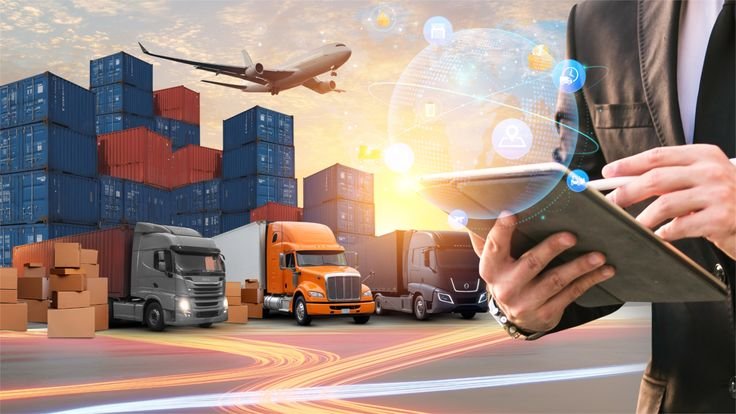
    Here’s a clear breakdown of the 5 basic steps of supply chain management (SCM), explained in a practical way:


    1. Planning (The Roadmap)

    • What it involves: Forecasting demand, setting inventory levels, and aligning resources.
    • Why it matters: Prevents overstocking/stockouts. Example: A retailer using past sales data to plan holiday inventory.
    • Key tools: ERP systems, demand forecasting software.

    2. Sourcing (Getting the Right Supplies)

    • What it involves: Selecting suppliers, negotiating contracts, and managing relationships.
    • Why it matters: Poor sourcing = delays or quality issues. Example: A manufacturer auditing suppliers for ethical practices.
    • Key focus: Cost, reliability, and sustainability.

    3. Production (Transforming Raw Materials)

    • What it involves: Manufacturing, assembly, and quality control.
    • Why it matters: Efficiency here reduces waste. Example: A car factory optimizing assembly lines for speed.
    • Key methods: Lean manufacturing, Six Sigma.

    4. Delivery (Getting Products to Customers)

    • What it involves: Logistics, warehousing, and last-mile delivery.
    • Why it matters: Slow delivery = unhappy customers. Example: Amazon’s same-day delivery networks.
    • Key solutions: Route optimization, 3PL partnerships.

    5. Returns (The Reverse Supply Chain)

    • What it involves: Handling refunds, recycling, or restocking.
    • Why it matters: 30% of online orders are returned; smooth processes save money. Example: Zara’s quick refurbishment of returned clothes.
    • Key strategies: Automated return portals, eco-friendly disposal.

    Why These Steps Matter

    A breakdown in any step disrupts the entire chain. For instance:

    • Poor planning → Empty shelves or dead stock.
    • Weak sourcing → Delays (like the 2020 semiconductor shortage).

    Pro Tip: Modern SCM relies on technology (AI, IoT) to connect these steps seamlessly.

    Need real-world examples or tools for your industry? Ask away!

  • 5 Essential Elements in Logistics Services Transportation – A Personal Perspective

    5 Essential Elements in Logistics Services Transportation – A Personal Perspective

    Logistics isn’t just about moving goods from point A to point B—it’s an intricate dance of efficiency, technology, and problem-solving. Over the years, I’ve seen how the right logistics strategy can make or break a business. Whether you’re a small e-commerce store or a large-scale distributor, mastering these five essential elements will keep your operations smooth and your customers happy.

    1. Smart Fleet Management (The Backbone of Logistics)

    A well-managed fleet is like a well-oiled machine. I remember working with a local delivery startup that struggled with constant breakdowns and delays. The game-changer? Real-time tracking and preventive maintenance. Investing in telematics and driver training reduced downtime by 40%.

    Key Takeaways:
    ✔️ GPS tracking for route optimization
    ✔️ Regular vehicle maintenance schedules
    ✔️ Driver performance monitoring

    2. Advanced Tracking Technology (No More Guessing Games!)

    Gone are the days of “Where’s my shipment?” frustrations. I once ordered a limited-edition item that got “lost” in transit—turns out, the seller had no real-time tracking. Modern logistics thrives on IoT, RFID, and AI-powered tracking systems that provide end-to-end visibility.

    Why It Matters:
    📌 Customers demand transparency
    📌 Reduces theft and misrouted packages
    📌 Enables proactive problem-solving

    3. Last-Mile Delivery Solutions (The Final Hurdle)

    Ah, last-mile delivery—the trickiest part of logistics. I’ve seen businesses lose customers simply because of late or failed deliveries. Companies like Amazon and FedEx excel here because they use micro-fulfillment centers, local couriers, and even drones to speed up the final stretch.

    Pro Tips:
    🚚 Use smaller, agile vehicles for urban deliveries
    📦 Offer flexible delivery options (lockers, pick-up points)
    🤖 Explore automation where possible

    4. Cost Control & Efficiency (Because Every Penny Counts)

    Logistics can be a money pit if not managed properly. I once consulted for a mid-sized retailer drowning in fuel and labor costs. By consolidating shipments, optimizing routes, and negotiating carrier contracts, we cut expenses by 25%.

    Ways to Save:
    💰 Bulk shipping discounts
    🔄 Backhaul optimization (no empty return trips!)
    📊 Data analytics to identify waste

    5. Customer-Centric Approach (The Ultimate Differentiator)

    At the end of the day, logistics is about people. I’ll never forget a client who switched suppliers just because of poor delivery communication. A seamless, transparent, and responsive logistics experience builds loyalty.

    How to Excel:
    💬 Proactive delivery updates (SMS/email alerts)
    🔄 Easy returns process
    ⭐ Personalized delivery preferences

    Final Thoughts

    Logistics isn’t just a backend operation—it’s a competitive advantage. Whether you’re a business owner or a logistics manager, focusing on these five elements can transform your supply chain from chaotic to streamlined.

    What’s your biggest logistics challenge? Let’s discuss in the comments!

  • Why small truck are best for last mile delivery

    Why small truck are best for last mile delivery

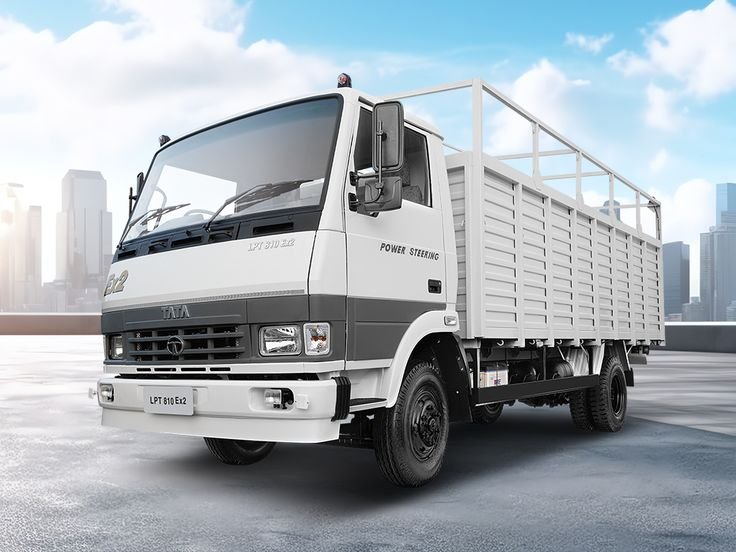
    Small trucks are ideal for last-mile delivery—the final step in the logistics chain where goods reach the end customer. Here’s why they outperform larger vehicles:

    1. Better Maneuverability

    • Narrower bodies easily navigate tight urban streets, alleys, and crowded neighborhoods.
    • Easier parking (even in small spaces) compared to large box trucks or trailers.

    2. Fuel & Cost Efficiency

    • Smaller engines consume less fuel, reducing operational costs.
    • Lower maintenance expenses (tires, brakes, and parts are cheaper).

    3. Faster Deliveries

    • Quicker loading/unloading due to compact size.
    • Avoid traffic congestion better than bulkier trucks.

    4. Lower Emissions

    • Many small trucks are electric or hybrid, complying with urban eco-friendly regulations.
    • Reduced carbon footprint compared to diesel-powered large trucks.

    5. Access to Restricted Zones

    • Some cities ban large trucks in certain areas (pedestrian zones, residential areas).
    • Small trucks often face fewer delivery time restrictions.

    6. Scalability for Small Orders

    • Perfect for e-commerce, food delivery, and small-business shipments.
    • Reduces wasted space (no half-empty large trucks).

    Examples of Small Delivery Trucks:

    • Electric Vans (e.g., Ford E-Transit, Rivian EDV)
    • Compact Trucks (e.g., Nissan NV200, Ram ProMaster City)
    • Cargo Bikes/Trikes (for hyper-local deliveries)

    When Large Trucks Are Still Needed:

    • Bulk deliveries (warehouse restocking, industrial shipments).
    • Rural areas with no space constraints.

    For urban last-mile logistics, small trucks offer speed, savings, and sustainability—making them the top choice for modern delivery fleets.

    Would you like recommendations for specific models based on your cargo type?

  • Top 5 Benefits of Heavy-Duty Truck Rentals

    Top 5 Benefits of Heavy-Duty Truck Rentals

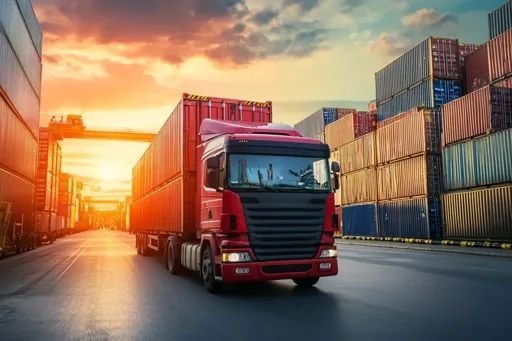
    Heavy-duty truck rentals offer numerous advantages for businesses and individuals needing temporary or flexible transportation solutions. Here are the top 5 benefits of renting heavy-duty trucks:

    1. Cost Savings

    • Avoid large upfront costs of purchasing a truck.
    • No long-term maintenance, insurance, or storage expenses.
    • Pay only for the rental period needed.

    2. Flexibility & Scalability

    • Rent trucks as needed for seasonal demand, special projects, or peak business periods.
    • Choose different truck types (dump trucks, flatbeds, refrigerated trucks, etc.) based on specific needs.

    3. Access to Modern, Well-Maintained Vehicles

    • Rental fleets are regularly serviced and updated, ensuring reliability.
    • Avoid breakdowns with newer, high-performance trucks.

    4. No Depreciation or Resale Worries

    • Renting eliminates the risk of asset depreciation.
    • No need to deal with selling or trading in old trucks.

    5. Convenience & Reduced Administrative Hassles

    • Skip long-term financing and registration paperwork.
    • Many rental companies offer quick booking, roadside assistance, and flexible rental terms.

    Bonus Benefit: Try Before You Buy

    • Renting allows businesses to test different truck models before making a purchase decision.

    Heavy-duty truck rentals are ideal for construction, logistics, agriculture, and other industries requiring powerful, temporary hauling solutions.

  • Why GST Matters More Than You Think in the Truck Transport Business

    Why GST Matters More Than You Think in the Truck Transport Business

    If you’re in the trucking or logistics business like I am, you’ve probably had your fair share of paperwork headaches. Back in the day, every state border meant another tax, another document, another delay. But ever since GST (Goods and Services Tax) rolled out, things have changed—and honestly, for the better.

    Let me break it down in simple, real-world terms: GST didn’t just simplify tax—it streamlined the entire transport ecosystem.

    My First Realization: It Wasn’t Just About Tax

    I remember one of our trucks getting stuck at a state border for 14 hours because of missing forms and inter-state tax issues. The client was furious. The driver was frustrated. And I was on calls all night trying to sort it out.

    Then GST happened.

    Suddenly, no more octroi, no more CST confusion, no more endless border checks. Just one uniform tax across the country. It felt like someone had finally cleared the fog from the highway.

    Why GST Is a Big Deal for Trucking

    1. One Nation, One Tax

    Before GST, each state had its own set of taxes—CST, VAT, entry tax, etc. For transporters, it meant tons of compliance and delays. GST replaced all of that with a single system. Simple and clean.

    2. Faster Border Movement

    With GST and eWay Bills, trucks no longer spend hours at state borders. Less idle time = faster deliveries = happier clients.

    3. Input Tax Credit (ITC)

    Under GST, businesses can claim input tax credit on expenses like fuel, vehicle maintenance, and logistics services. That means more savings for transporters and logistics companies.

    4. Better Transparency and Accountability

    With everything being digital—eInvoices, eWay Bills, and GST filings—it’s easier to track shipments and avoid fraud or tax evasion.

    5. Improved Efficiency

    Fewer documents, less red tape, faster approvals. For fleet owners like me, it means focusing more on operations and less on paperwork.

    But It’s Not All Smooth Roads

    Yes, GST brought a lot of benefits, but it also came with learning curves. Smaller fleet operators struggled with tech adoption. Even today, there’s confusion about interstate vs. intrastate GST, and late filings still bring penalties.

    But let’s be real: compared to the chaos before, GST is a huge step forward.

    In Short…

    GST may not sound glamorous, but in the truck transport business, it’s a silent hero. It keeps wheels moving, paperwork simple, and business running smoother than ever.


    Next time you track a package across states and it arrives on time—thank GST for making that journey a whole lot easier.

  • How Live Truck Tracking Totally Changed the Logistics Game

    How Live Truck Tracking Totally Changed the Logistics Game

    Not too long ago, tracking a delivery felt like sending a message into the void. You’d ship something and just hope it arrived on time. But now? With live truck tracking, we don’t just wait—we watch it happen. And as someone who’s worked with logistics teams and obsessed over real-time maps, I can confidently say: live tracking has completely transformed logistics.

    The First Time I Used Live Tracking

    I remember shipping a batch of fragile goods for a client from Delhi to Jaipur. Usually, I’d call the driver 3–4 times a day asking, “Bhaiya, kahaan tak pahunche?” But this time, the transport company used a tracking system. I just clicked a link and boom—real-time location, speed, route, even stoppages. No calls. No guesswork. Just clarity.

    It was a revelation.

    Why Live Truck Tracking Is a Game-Changer

    Here’s what makes it such a big deal:

    1. Real-Time Visibility

    Know exactly where your shipment is, at any given time. For logistics managers, this is gold. For customers, it builds trust.

    2. Better Planning & Route Optimization

    Tracking data helps avoid traffic bottlenecks and even suggests alternate routes. Delays? Reduced. Fuel use? Optimized.

    3. Increased Accountability

    Drivers know they’re being monitored (in a good way), which means fewer unnecessary breaks, better driving behavior, and timely deliveries.

    4. Customer Transparency

    Imagine telling a client, “Your truck will arrive at 4:10 PM,” and it actually does. That level of confidence only comes with live data.

    5. Instant Alerts

    Breakdowns, detours, or delays? You’re notified instantly. No surprises, no finger-pointing, just action.

    Challenges? Of Course.

    Not every fleet is equipped with GPS systems yet, especially in smaller towns or with independent truckers. Plus, poor connectivity in remote areas can mess with real-time updates. But that’s changing—fast.

    What’s Next?

    We’re already seeing AI integration, predictive ETA algorithms, and even temperature tracking for perishable goods. The day isn’t far when you’ll get a WhatsApp alert the moment your package crosses your city border.


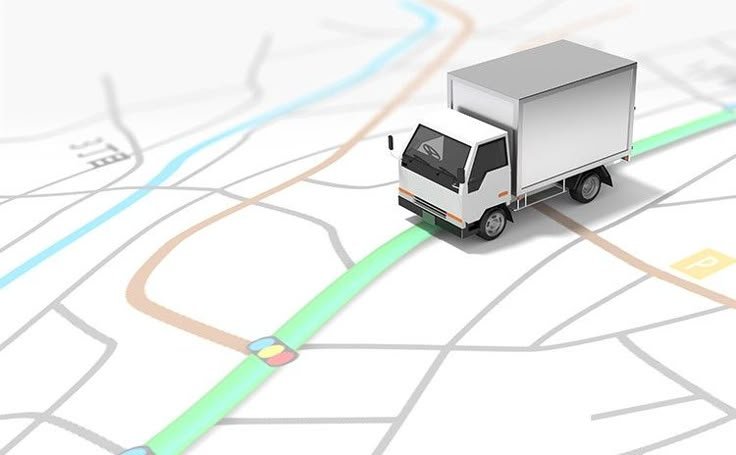
    Live truck tracking isn’t just a feature anymore—it’s a logistics necessity. For businesses, it’s about efficiency and customer trust. For me? It’s a small thrill every time I open a live map and see that little truck icon moving steadily toward its destination.

  • Truck Transport in E-Commerce Goods Delivery: The Backbone of Fulfillment

    Truck Transport in E-Commerce Goods Delivery: The Backbone of Fulfillment

    In the rapidly growing e-commerce industry, where speed, efficiency, and reliability are paramount, truck transport plays a crucial role in bridging the gap between warehouses and customers. From bulky furniture to small electronics, most goods ordered online rely on a robust trucking network for timely delivery.

    Why Trucking Matters in E-Commerce

    1. Last-Mile Delivery Efficiency
      Trucks, especially smaller vehicles like mini trucks and vans, are vital for navigating urban and semi-urban routes. They ensure the last leg of the supply chain is completed quickly and accurately.
    2. Scalability & Flexibility
      Whether it’s full truckload (FTL) for large shipments or less-than-truckload (LTL) for smaller packages, trucking offers e-commerce companies the flexibility to scale operations based on demand fluctuations.
    3. Cost-Effective Logistics
      Compared to air or rail transport, trucks provide a cost-effective solution for short to mid-range deliveries, especially for high-volume, low-margin e-commerce businesses.
    4. Reach to Remote Areas
      India’s vast geography makes trucking indispensable for delivering goods to tier 2, 3 cities, and rural regions where other transport modes might not reach.

    Challenges in Truck-Based E-Commerce Delivery

    • Traffic and Delays: Urban congestion often slows down deliveries.
    • Fuel Costs & Environmental Concerns: Rising diesel prices and sustainability goals are pushing companies toward EV trucks and route optimization software.
    • Technology Integration: Real-time tracking, digital proof of delivery, and route management systems are becoming standard to boost efficiency and transparency.

    The Road Ahead

    With innovations like AI-powered logistics, electric trucks, and hyperlocal delivery models, truck transport continues to evolve. For e-commerce players, investing in reliable and tech-enabled truck fleets is not just a choice—it’s a competitive advantage.

    Why Truck Transport Is the Unsung Hero of E-Commerce Delivery

    You know that feeling when you hit “Place Order” and eagerly start waiting for your package? Whether it’s a new pair of shoes, a kitchen gadget, or your late-night impulse buy, there’s one thing that quietly makes it all possible: trucks.

    Yup. Not drones, not some teleportation device (yet), but good old-fashioned truck transport. Behind the slick websites, mobile apps, and real-time tracking links lies a fleet of trucks doing the heavy lifting—literally.

    My First Brush With the Power of Trucking

    I still remember ordering a bookshelf online during the pandemic. I expected delays, but it showed up two days early, right at my doorstep. The delivery guy told me it came from a warehouse nearly 400 km away. I was stunned. That’s when it hit me—truck transport isn’t just important, it’s everything in e-commerce logistics.

    Why E-Commerce Depends on Trucks

    E-commerce has changed the way we shop, but it hasn’t changed the rules of physics. Packages still need to move from warehouses to our homes—and that journey almost always involves a truck.

    Here’s what I’ve learned:

    • Last-mile delivery? That’s a truck’s playground.
      Especially in India, trucks are the only practical way to reach every street, lane, and remote corner.
    • Big or small, trucks handle it all.
      From a bulk order of appliances to a single item sent through a shared load (LTL), the trucking system adapts to the need.
    • Timing is everything.
      Today, we expect deliveries in 1-2 days. Without a solid trucking network, that promise is just marketing fluff.

    The Not-So-Glamorous Side

    Let’s be honest—it’s not all smooth sailing (or driving). I’ve heard from friends in logistics about the struggles:

    • Insane traffic jams that throw off delivery times
    • Ever-increasing fuel prices
    • The pressure to switch to electric and stay eco-friendly
    • Managing fleet routes, driver schedules, and breakdowns—it’s a juggling act

    But what’s amazing is how much tech is stepping in to help. Real-time tracking, optimized routes, and digital delivery proof have become game-changers.

    What’s Next?

    I believe trucks will continue to be the backbone of e-commerce, especially in a country as vast and diverse as India. And with the rise of EV trucks, smart logistics platforms, and hub-to-doorstep models, we’re in for a smoother, greener ride.

    So the next time you receive a package, maybe take a second to appreciate the humble truck that brought it to you. Behind every “Out for Delivery” notification, there’s a hardworking team and a reliable set of wheels making it happen.

  • How to Choose the Right Transportation Company

    How to Choose the Right Transportation Company

    Finding a trustworthy transportation company can feel overwhelming—especially when your delivery deadlines, valuables, or business operations depend on it. Whether you’re shifting your home, moving bulk cargo, or delivering products, the right transport partner makes all the difference.

    Here’s a simple guide to help you choose the right transportation company with confidence.


    ✅ 1. Understand Your Transportation Needs

    Before you even begin your search, ask yourself:

    • Are you moving goods locally or interstate?
    • Do you need part-load or full-load service?
    • Is it for personal use (like relocation) or business logistics?
    • Do you require special handling (fragile, cold storage, etc.)?

    Clarity on your requirements helps filter out companies that don’t offer the right service.


    🔍 2. Research Company Reputation

    A company’s track record is one of the most telling indicators. Look for:

    • Online reviews and ratings
    • Customer testimonials
    • Years in business
    • Google Business Profile or verified listings

    You can also check forums, Facebook groups, or even local business directories for real user experiences.


    💼 3. Check Licensing & Insurance

    Make sure the company:

    • Is registered and licensed to operate in your region
    • Offers transit insurance to protect your goods
    • Has verified drivers and trained staff

    Especially for high-value or long-distance shipments, insurance is a must-have.


    📦 4. Evaluate Service Offerings

    Every transport company isn’t the same. Some offer:

    • Packing & loading
    • Vehicle tracking
    • Door-to-door delivery
    • Warehousing or logistics support
    • E-commerce support

    Choose a provider that offers services aligned with your needs—not just the cheapest one.


    💰 5. Compare Pricing (But Don’t Just Go Cheap)

    Request quotes from 2–3 providers and compare:

    • Base fare
    • Extra charges (toll, loading, taxes)
    • Insurance (if optional)
    • Delivery timelines

    Sometimes, a slightly higher fee guarantees better reliability, tracking, and customer service—all worth it in the long run.


    📱 6. Look for Tech-Enabled Features

    Modern transport companies offer:

    • Online booking portals or apps
    • GPS tracking of your goods
    • SMS or email alerts
    • Digital documentation and invoices

    These features make the whole process transparent and hassle-free.


    ☎️ 7. Test Their Customer Support

    Call or message their helpline before booking. Good signs include:

    • Quick response
    • Clear answers
    • Polite communication
    • Willingness to provide written quotes or terms

    If they’re hard to reach now, imagine how difficult it will be if your goods are delayed!


    Final Thoughts 💬

    Choosing the right transportation company isn’t just about price—it’s about peace of mind. Do your research, compare options, and go with a provider that offers reliability, transparency, and good customer service.

    Pro Tip: Keep copies of all paperwork (invoice, delivery slip, ID proof, etc.) in case of disputes.

  • What Are Transportation Services? A Beginner’s Guide

    What Are Transportation Services? A Beginner’s Guide

    Whether you’re moving across town, shipping goods to another city, or running a logistics-dependent business, you’ve probably come across the term “transportation services.” But what does it really mean? And how do these services work?

    This beginner-friendly guide will help you understand the essentials of transportation services and how to choose the right one for your needs.


    🔍 What Are Transportation Services?

    Transportation services refer to the organized movement of goods or people from one place to another using different modes such as road, rail, air, or water. These services can be offered by private companies, government agencies, or individual operators.

    In simple terms, any time something or someone is moved from point A to point B with the help of a vehicle—be it a truck, car, ship, or plane—it involves transportation services.


    🛣️ Types of Transportation Services

    Here are the main types you’ll encounter:

    1. Road Transport

    • Most common form of transport
    • Includes trucks, tempos, bikes, autos
    • Great for short to medium distances

    2. Rail Transport

    • Cost-effective for heavy or bulk goods
    • Often used for intercity or interstate shipping

    3. Air Transport

    • Fastest but most expensive
    • Ideal for urgent or long-distance deliveries

    4. Water Transport

    • Used for international trade via cargo ships
    • Best for large shipments with flexible timelines

    🧳 What Do Transportation Services Include?

    A professional transportation company may offer:

    • Vehicle rental with driver
    • Packing and moving (for household or office shifting)
    • Freight and cargo handling
    • Live tracking of shipments
    • Goods insurance
    • Door-to-door delivery

    🎯 Why Transportation Services Matter

    Efficient transportation plays a key role in:

    • Business growth – Ensures timely delivery to customers or partners
    • Supply chain reliability – Keeps goods moving smoothly
    • Relocations – Makes shifting homes or offices less stressful
    • E-commerce – Enables quick deliveries and customer satisfaction

    ✅ How to Choose the Right Transportation Service

    Here’s a checklist to help you decide:

    • Check experience & reputation
    • Compare pricing & services
    • Look for live tracking and customer support
    • Make sure vehicles are insured and drivers verified
    • Read online reviews or ask for references

    🚀 Conclusion

    Transportation services are the backbone of everyday life—whether you’re shipping a product, relocating to a new home, or running a logistics-heavy business. Understanding the types of services available and how they work helps you make smarter, cost-effective decisions.

    Need help finding reliable transporters near you? Stay tuned for our next blog on the Top Transporters in Your City.

  • Top Transporters in Ghaziabad: My Honest Experience & Recommendations

    Top Transporters in Ghaziabad: My Honest Experience & Recommendations

    When I first moved to Ghaziabad, I had no idea where to find reliable transporters. From shifting my apartment to sending business goods across cities, I quickly realized that having a trusted transporter is non-negotiable.

    After trying a few hit-or-miss services, speaking with friends, and doing a lot of Googling, I’ve narrowed down a list of top transporters in Ghaziabad who are dependable, professional, and surprisingly affordable.

    If you’re a business owner, someone relocating, or just need a one-time goods transport, this blog post is for you.


    🥇 1. Bajrang Logistics – Great for Transport in Delhi Ghaziabad

    With over a decade of experience, SG Bajrang Logistics Pvt. Ltd. stands out as a leader in the logistics industry. We pride ourselves on our extensive nationwide reach, providing efficient and reliable transportation solutions across every corner of India. Whether you’re shipping across cities or regions, our robust network ensures that your goods are handled with care and delivered on time.

    Highlights:

    • Verified transporters
    • Transparent pricing

    📌 Best for: Office furniture shifting, B2B logistics

    🥇 2. G7 Smart Logistics – Great for Everyday Transport

    One of the first services I tried was G7 Smart Logistics. Their app-based platform made it really easy to book a tempo when I needed to shift office chairs and desks. What impressed me most was real-time tracking and how quickly the vehicle arrived.

    Highlights:

    • App for easy booking
    • Verified transporters
    • Transparent pricing

    📌 Best for: B2B logistics


    🚛 3. Porter – The Uber of Goods Transport

    If you need to send something fast and don’t want to haggle with drivers, Porter is a lifesaver. I used it to deliver a few cartons to a warehouse in Noida. Booking was done via app, the pricing was clear, and the delivery was quick.

    Why I loved it:

    • Smooth app experience
    • Budget-friendly for short routes
    • Great for small business owners

    📌 Best for: Same-day local delivery
    🔗 Book with Porter


    🧭 4. Vahak – Trusted for Long-Distance Loads

    For my cousin’s construction business, we needed trucks to move cement and equipment from Ghaziabad to Lucknow. We found Vahak, and the experience was surprisingly smooth. They offer access to thousands of trucks with verified documents.

    Standout Features:

    • GST/Aadhar verified vehicles
    • Useful for manufacturers and vendors
    • Live truck availability

    📌 Best for: Long-distance and heavy load shipments


    📦 5. NoBroker Packers & Movers – Great for Relocations

    When I moved from Indirapuram to Vaishali, I hired NoBroker’s packers and movers. They took care of everything—from packing to unloading—and the whole process was far less stressful than I expected.

    What I liked:

    • All-in-one moving service
    • Reasonable cost
    • Timely delivery without breakage

    📌 Best for: Home and office relocation


    🚚 6. Trukky – Book Trucks Online With Live Pricing

    A business partner recommended Trukky for sending wholesale products to clients. I was impressed with their live truck availability, price comparisons, and instant insurance options. It’s perfect if you want control and flexibility.

    Pros:

    • Insurance included
    • Great for full/part loads
    • Efficient and punctual

    📌 Best for: E-commerce and wholesale businesses
    Try Trukky


    💼 7. Transopedia – Directory for Every Kind of Transporter

    If you’re not sure what type of transporter you need, Transopedia is a good starting point. It’s more like a marketplace listing verified transporters around Ghaziabad, so you can pick and choose based on reviews, pricing, and services.

    Why use it:

    • Wide selection of vendors
    • Compare transporters easily
    • Good for local and national routes

    📌 Best for: Exploring all options before booking
    🔗 Explore Transopedia


    Final Thoughts 💬

    Finding the right transporter in Ghaziabad really depends on your needs and budget. For quick moves, Porter is a no-brainer. For serious logistics, Vahak and Trukky offer excellent service and transparency. And if you’re moving house? NoBroker all the way.

    Pro Tip: Always compare 2-3 quotes and check if the company offers insurance, especially for high-value items.